
AI Transforming Digital Signage
How AI is transforming digital signage in 2026 — privacy-first audience measurement, dynamic creative optimisation, AI-powered programmatic yield management, and what it means for retailers.

Artificial intelligence (AI) in digital signage is the integration of advanced machine learning, computer vision, and data analytics technologies into digital display networks to enhance content relevance, audience measurement, and advertising effectiveness. This transformation means that digital signage solutions are no longer static or generic but dynamically adapt to real-world conditions and audience behaviour, driving greater engagement and measurable business outcomes. As AI continues to evolve, it reshapes every layer of the digital signage and retail media stack — from automated content creation and real-time optimisation to privacy-compliant audience analytics and programmatic media buying. For businesses and retailers leveraging LED signage and digital display networks, understanding how AI influences these capabilities is essential to maximise return on investment and future-proof their digital strategies.
AI-Powered Audience Measurement: A New Standard for Digital Signage Analytics
One of the most impactful applications of AI in digital signage is audience measurement. Traditional digital signage systems primarily relied on play logs, which only recorded when content was displayed, but could not verify whether anyone actually viewed the screen or how engaged they were. This limitation made it difficult for advertisers and retailers to confidently measure campaign effectiveness or optimise content based on real audience behaviour.
AI-powered computer vision technologies have revolutionised this aspect by enabling privacy-first attention analytics. Using edge computing, AI algorithms analyse video feeds from cameras embedded in or near LED displays to detect anonymous presence and measure dwell time without storing personal data or using facial recognition. This approach ensures compliance with privacy regulations while delivering actionable insights into who is engaging with the digital signage and for how long.
onQ Digital Group’s audience measurement platform, onQ Vision, exemplifies this new standard. It provides IAB-compliant Play-Presence-Pairing metrics, which combine content play logs with verified impression data. This means advertisers receive reliable data on actual human views rather than just screen activity, enabling performance-based pricing models and closed-loop attribution. For retail media operators and corporate clients alike, this level of accuracy supports smarter media buying decisions and more effective content strategies.
For retailers deploying LED video wall solutions or outdoor LED billboards, integrating AI-powered audience measurement can help optimise location-specific content and campaign scheduling based on real-time foot traffic and engagement metrics. In sectors such as automotive or corporate environments, where customer experience and brand perception are critical, these insights allow for tailored messaging that resonates with the audience present at any given moment.
Dynamic Creative Optimisation Through AI: Delivering Relevance at Scale
AI is also transforming digital signage content management by enabling dynamic creative optimisation. Unlike traditional static content that requires manual updates, AI-driven creative adapts in real-time based on a variety of data inputs such as audience demographics, environmental conditions, and campaign performance metrics. This results in more relevant messaging that can significantly boost engagement and conversion rates.
For example, using AI, digital signage software can automatically adjust the displayed content depending on the age group or gender distribution of the current audience, the time of day, or even weather conditions like rain or sunshine. This level of responsiveness is particularly valuable in retail environments, where consumer behaviour fluctuates throughout the day and across seasons. AI-powered content optimisation ensures that the right message reaches the right people at the right time without constant manual intervention.
onQ Digital’s content management platform, onQ CMS, supports this capability by integrating AI algorithms that analyse audience and environmental data to trigger dynamic creative changes. Whether managing LED freestanding displays in shopping centres or transparent LED installations in corporate lobbies, onQ CMS facilitates seamless content updates that enhance the customer experience and maximise campaign effectiveness.
Moreover, AI-driven creative optimisation enables continuous learning from campaign performance. By analysing which messages generate higher engagement or sales, the system can automatically prioritise or modify future content, creating a virtuous cycle of improvement. This approach reduces the need for extensive human oversight and accelerates time-to-market for new campaigns.

AI in Programmatic Bidding: Smarter Retail Media Yield Management
Programmatic bidding is another critical area where AI is reshaping digital signage and retail media economics. Retail media operators face the challenge of optimising yield across multiple demand sources, balancing direct-sold campaigns with programmatic inventory sales to maximise revenue and fill rates. AI-powered programmatic supply-side platforms (SSPs) leverage machine learning models to predict demand patterns, adjust floor prices dynamically, and allocate inventory efficiently across various demand-side platforms (DSPs).
onQ Digital’s programmatic SSP integrates AI-driven yield management to optimise CPM (cost per thousand impressions) and fill rates across more than 35 DSP connections. This sophisticated approach ensures that retail media inventory embedded in LED signage networks garners maximum value by responding to real-time market dynamics and advertiser demand. For retailers and brands, this means better monetisation of digital signage assets and more efficient media spend.
AI also facilitates granular audience targeting and frequency capping within programmatic campaigns, ensuring that messages are delivered to the right demographic segments without oversaturation. This capability is especially important in retail environments where customer footfall and shopping patterns vary widely. By combining AI-powered audience measurement with programmatic bidding, retail media operators can create closed-loop attribution models that link digital signage impressions directly to sales outcomes.
Practical Considerations for Implementing AI-Enabled Digital Signage
While the benefits of AI in digital signage are clear, successful implementation requires careful planning and technology integration. Businesses should consider several factors when evaluating AI-powered digital signage solutions:
1. Privacy Compliance: AI audience measurement must adhere to local privacy laws and guidelines. Solutions like onQ Vision use edge processing to avoid storing personally identifiable information, ensuring compliance and maintaining customer trust.
2. Integration with Existing Infrastructure: AI capabilities should be compatible with current LED signage hardware, such as LED MIP modules, LED video walls, or outdoor LED billboards. onQ Digital Group specialises in deploying and optimising LED signage networks that are future-ready for AI enhancements.
3. Content Management Flexibility: A robust digital signage software platform like onQ CMS is essential to manage dynamic creative workflows efficiently. The platform should support AI-driven content triggers and provide intuitive tools for creative teams.
4. Scalability and Network Optimisation: AI-powered solutions must scale across multiple sites and displays while maintaining performance. onQ Digital’s expertise in network deployment and optimisation ensures that AI analytics and programmatic bidding operate smoothly in complex retail or corporate environments.
5. Collaboration Between Stakeholders: Successful AI integration involves collaboration between retailers, advertisers, technology providers, and content creators to align goals and leverage data effectively.
AI Transforming Key Sectors: Retail, Corporate, and Automotive
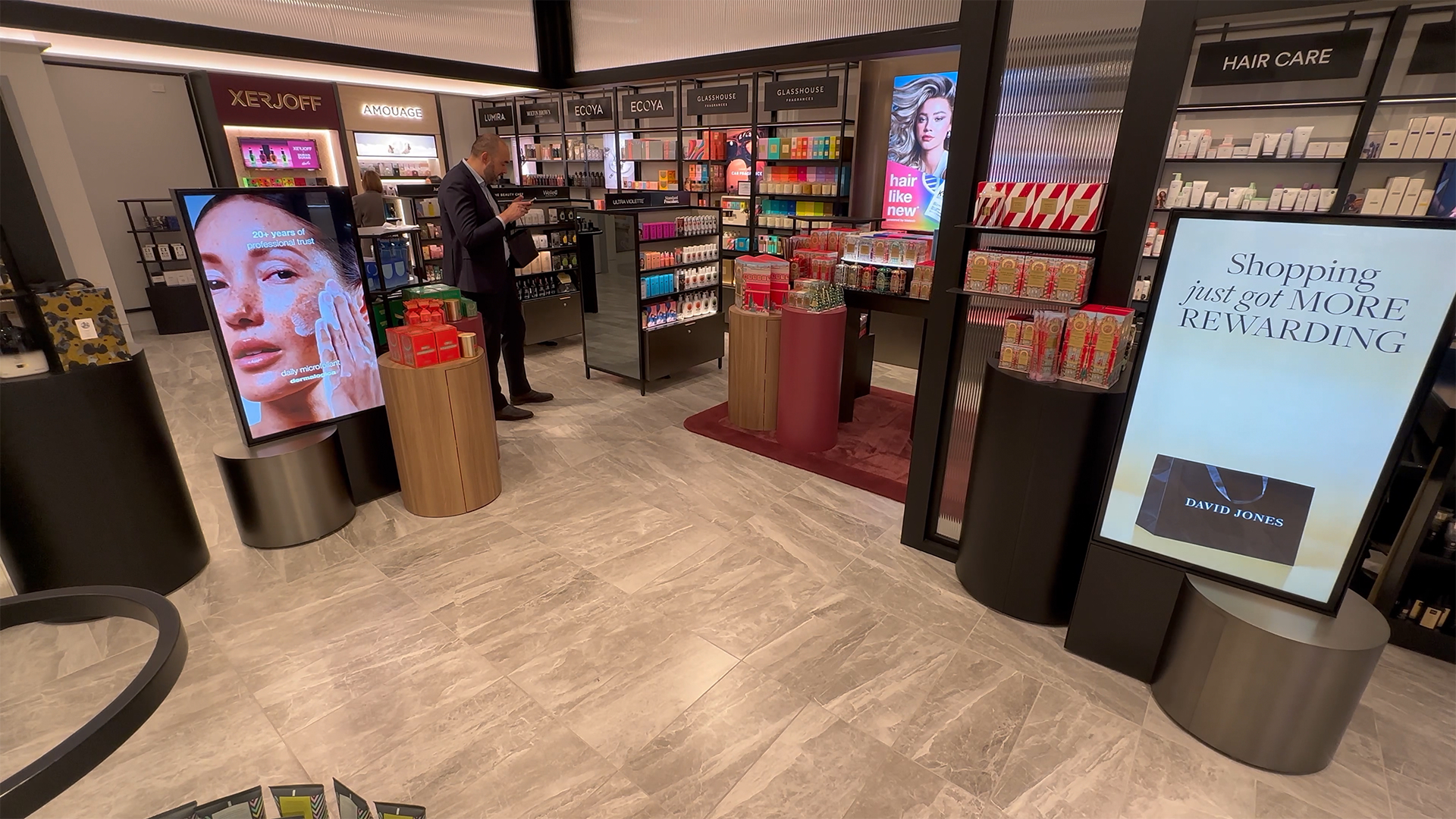
The impact of AI on digital signage spans multiple sectors, each with unique requirements and opportunities. In retail, AI-driven digital signage enhances customer engagement by delivering personalised promotions and optimising retail media campaigns. For example, department stores such as David Jones benefit from AI-powered audience measurement and dynamic creative to tailor messaging across their LED signage installations, improving shopper experience and sales conversion.
In corporate environments, transparent LED displays and LED freestanding units equipped with AI capabilities provide interactive and adaptive communication tools for lobbies, meeting rooms, and events. AI enables these displays to adjust content based on visitor profiles or environmental factors, supporting brand storytelling and internal communications.
The automotive sector leverages AI-enhanced digital signage for showroom displays and outdoor advertising. Mitsubishi, for instance, utilises LED video walls and AI-powered content optimisation to present vehicle information and promotions that adapt to audience demographics and weather conditions, creating more compelling customer interactions.
Frequently Asked Questions About AI in Digital Signage
How does AI ensure privacy in audience measurement for digital signage?
AI-powered audience measurement platforms like onQ Vision use edge computing to process video data locally without storing personal information or employing facial recognition. This approach anonymises audience data by detecting presence and engagement metrics without identifying individuals, ensuring compliance with privacy regulations such as GDPR and Australian privacy laws.

What advantages does AI-driven dynamic creative offer over traditional digital signage content?
AI-driven dynamic creative automatically adapts content based on real-time data such as audience demographics, environmental conditions, and campaign performance. This leads to more relevant messaging, higher engagement rates, and reduced manual content management. In contrast, traditional digital signage displays static or scheduled content that does not respond to changing conditions.
Can AI improve revenue for retail media operators using digital signage?
Yes. AI-powered programmatic bidding and yield management optimise pricing and inventory allocation across multiple demand sources. This maximises CPM and fill rates, increasing total revenue from retail media campaigns. Platforms like onQ Digital’s SSP harness machine learning to predict demand and automate inventory distribution efficiently.
What types of LED signage are compatible with AI enhancements?
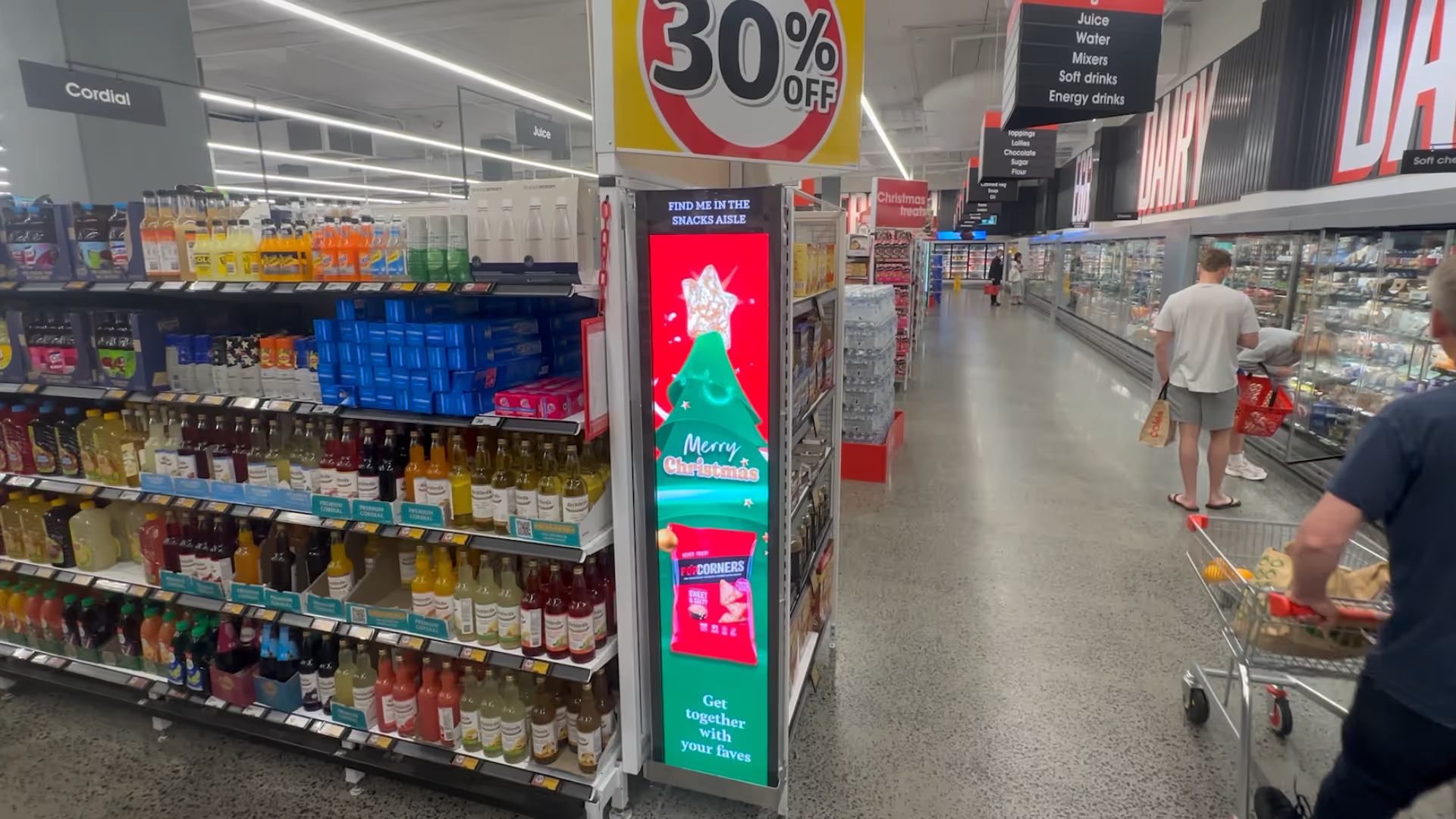
AI enhancements are compatible with a range of LED signage types, including LED video walls, LED MIP modules, LED freestanding displays, outdoor LED billboards, and transparent LED screens. onQ Digital Group specialises in deploying and integrating AI capabilities across these hardware platforms to deliver scalable and optimised digital signage solutions.
How does onQ Digital Group support businesses implementing AI in digital signage?
onQ Digital Group provides end-to-end expertise including digital signage strategy, hardware deployment, content management through onQ CMS, audience measurement with onQ Vision, and programmatic retail media optimisation. Their team ensures seamless integration of AI technologies within existing infrastructure, network optimisation, and ongoing support tailored to retail, corporate, and automotive sectors.
Contact onQ Digital Group for Expert Advice on AI-Driven Digital Signage
As AI continues to transform the digital signage landscape, partnering with experienced specialists is critical to harness its full potential. onQ Digital Group offers comprehensive solutions that combine cutting-edge AI-powered audience measurement, dynamic creative optimisation, and programmatic retail media management. Whether you are upgrading existing LED signage networks, deploying new LED video walls, or exploring retail media monetisation, onQ Digital’s expertise ensures your digital signage strategy is future-ready and results-driven.
Contact onQ Digital Group today to discuss how AI can elevate your digital signage projects, improve audience engagement, and maximise revenue opportunities. Their team is ready to provide tailored advice, technology demonstrations, and support throughout your digital signage journey.
Enjoy our insights? Add onQ Digital as a preferred source on Google to see more of our content in your search results.
Commonly asked Questions
AI enhances digital signage by enabling dynamic content delivery based on real-time audience data such as demographics, dwell time, and attention levels. onQ Digital’s Attention Analytics employs computer vision and AI to detect who is watching without storing personal data, allowing content to be personalised and triggered automatically. Additionally, AI supports programmatic DSPs and RTB auction engines to optimise advertising outcomes and automate large-scale content personalisation within retail media environments.
AI-powered audience measurement in digital signage utilises computer vision or passive sensor technology to anonymously assess audience characteristics like presence, demographics, and engagement without identifying individuals. onQ Digital offers solutions including Attention Analytics, which uses AI to track attention and dwell time at each screen, and Bluetooth-based Audience Measurement that verifies impressions across large retail media networks without camera hardware, supporting accurate reporting and campaign optimisation.


Ready to start a conversation?
Speak with our team about digital signage, CMS software, or retail media infrastructure. We’ll help you scope, design, and deploy the right solution.

Digital signage, CMS software, retail media platforms, analytics, and managed services across Australia.
© 2026 onQ Digital. All rights reserved. Website by D&n