
Retail Media Platform Australia

Introduction
Build Smarter Retail Media Networks Across Australia
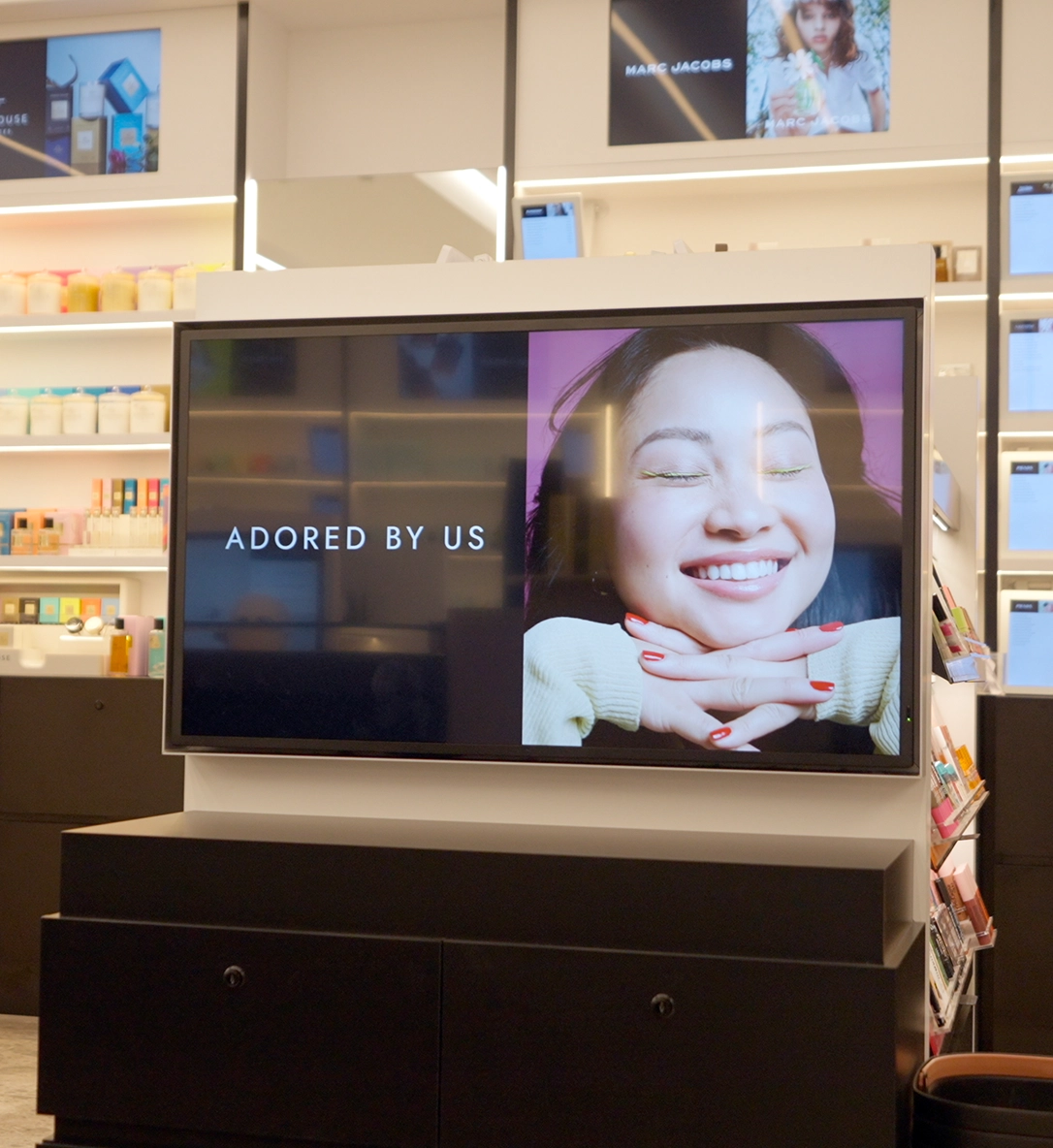
Retail media is rapidly transforming the future of in-store advertising, digital signage, audience engagement and enterprise communication across Australia. Retailers are increasingly evolving their screen networks into sophisticated retail media ecosystems that can generate measurable advertising revenue, support omnichannel customer engagement and connect physical environments to real-time analytics.
A modern retail media platform is no longer simply a content management system for digital screens. It combines digital signage software, proof-of-play reporting, audience analytics, programmatic advertising, omnichannel campaign delivery, enterprise governance, AI-driven optimisation and advertiser inventory management into one scalable communication and advertising infrastructure layer.
As Australian retailers invest more heavily in in-store media networks, the demand for specialised retail media software and enterprise retail media CMS platforms continues to accelerate. Businesses want to understand how a retail media platform works, how it differs from traditional digital signage in Australia, how proof-of-play reporting supports advertiser confidence, and how audience analytics can turn physical stores into measurable media environments.
Retail media is especially relevant across grocery, shopping centres, department stores, automotive, pharmacy, hospitality, convenience retail and experiential environments. These organisations already own customer attention inside high-intent spaces. The opportunity is to turn that attention into a structured, measurable and commercially valuable media network.
Retail media is no longer simply a trend. It is rapidly becoming the future operating system of physical retail environments.
What Is a Retail Media Platform?
A retail media platform is a software and infrastructure ecosystem used to manage advertising, communication, audience engagement and measurable campaigns across retailer-owned digital environments. It helps retailers control how content is scheduled, how campaigns are delivered, how advertisers receive reporting, and how in-store digital signage contributes to commercial media revenue.
Retail media platforms commonly manage LED display networks, LCD digital signage, storefront displays, shopping centre media, shelf-edge media, queue displays, experiential retail screens and transparent LED environments. These screen networks form the physical media layer, while the CMS, reporting and analytics systems form the operational layer behind the network.
The strongest platforms allow retailers to monetise customer attention, deliver supplier-funded campaigns, manage advertising inventory, generate proof-of-play reports, analyse audience engagement, optimise campaigns dynamically, support omnichannel communication and integrate AI-driven advertising workflows.
In practical terms, a retail media platform functions as advertising infrastructure, audience intelligence, enterprise communication software and omnichannel media network management in a single environment. For retailers comparing broader platform options, the Best Retail Media Platforms Australia guide provides a useful market-level comparison.
Why Retail Media Is Growing Rapidly in Australia
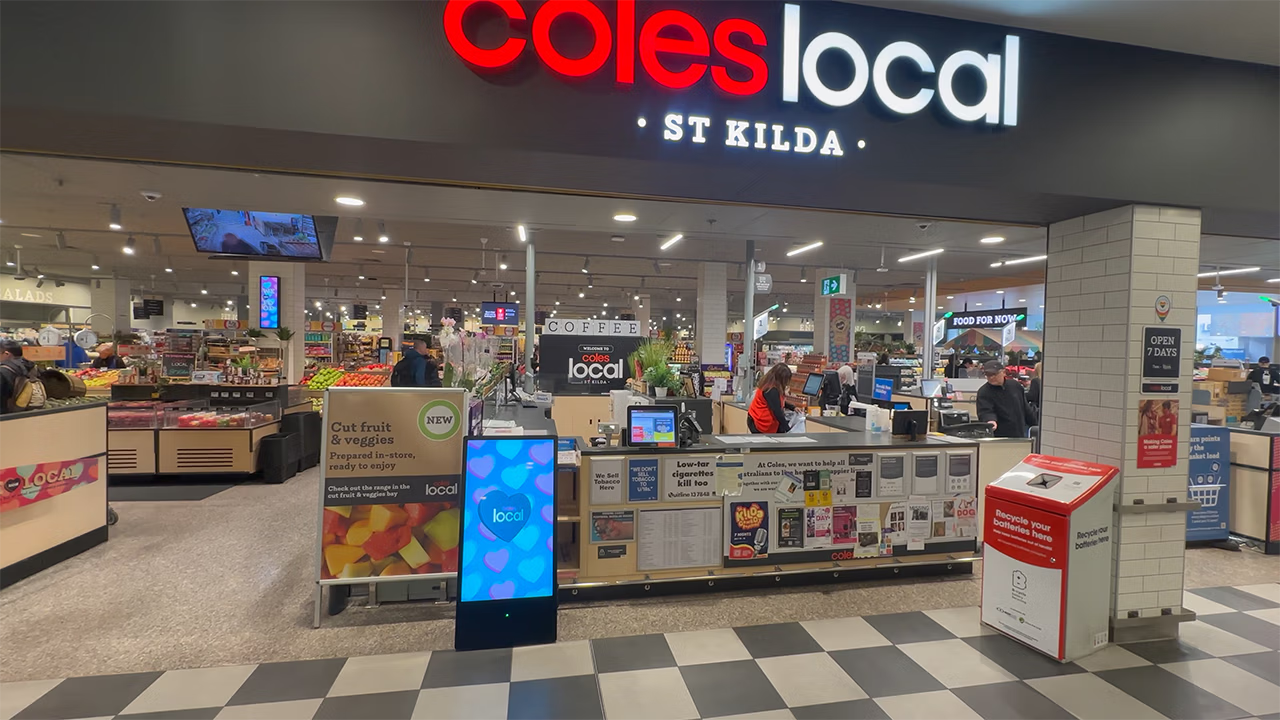
Retail media has become one of the fastest-growing advertising categories globally because retailers own valuable customer attention and first-party context. In Australia, retailers increasingly recognise that physical environments can operate as measurable media channels rather than passive communication spaces.
The growth is driven by demand for first-party customer data, in-store customer attention, measurable advertising environments, omnichannel engagement and digital shelf influence. Retailers are also seeking new revenue streams that support supplier partnerships while improving the in-store customer experience.
Modern retail media networks can generate revenue through digital signage, in-store screens, mobile integration, loyalty ecosystems, audience targeting and supplier-funded campaigns. This creates value for retailers and advertisers because campaigns can reach shoppers closer to the point of decision.
Growth is accelerating across grocery retail, pharmacy, convenience retail, automotive dealerships, shopping centres, consumer electronics and department stores. In these environments, screens are not simply decorative. They influence attention, deliver offers, create brand engagement and increasingly provide measurable campaign accountability.
Retailers increasingly use retail media to monetise foot traffic, improve supplier relationships, increase customer engagement, support measurable campaigns and integrate physical and digital retail experiences. The retail store is rapidly evolving into a media channel.
The Evolution of Digital Signage Into Retail Media
Traditional digital signage historically focused on brand messaging, wayfinding, promotional content and basic scheduling. It was primarily a communication tool used to display information at the right place and time.
Modern retail media environments are fundamentally different. Today’s enterprise signage networks support measurable advertising, campaign monetisation, proof-of-play verification, audience analytics, omnichannel campaign delivery, advertiser inventory management and AI-driven optimisation.
This evolution transforms screens from communication displays into measurable advertising infrastructure. The shift is especially important for retailers that already operate digital signage networks and want to commercialise them. A network that once displayed internal promotions can become a media asset when it is connected to a CMS, reporting system, advertiser workflow and sales process.
This is why Retail Media CMS Explained is an important companion topic. The CMS layer determines whether a screen network can scale beyond basic content scheduling into campaign governance, reporting and media operations.
The evolution is reshaping how retailers view customer engagement, advertising, in-store communication, omnichannel marketing and digital transformation. Screens are no longer isolated assets. They are part of a broader commercial ecosystem.
The Full Retail Media Stack
Modern retail media ecosystems combine multiple technology layers into a single integrated environment. Each layer has a specific role, but the greatest value comes when the layers work together through a unified operating model.
Layer 1 — Digital Display Infrastructure
The display layer forms the physical foundation of the retail media ecosystem. It includes LED displays, LCD displays, transparent LED systems, outdoor LED, video walls and shelf-edge displays.
Modern retailers increasingly invest in fine-pitch LED, high-brightness displays, immersive customer environments and transparent LED storefronts. These premium display environments improve engagement, dwell time, campaign visibility and customer experience.
For retailers evaluating display hardware, LED Signage Australia, Retail LED Displays Australia and Transparent LED Screen Australia provide deeper planning context on display selection, brightness, format and installation strategy.
Display infrastructure matters because advertising value depends on visibility and context. A retail media campaign needs screens that customers can actually see, understand and respond to at the right moment in the customer journey.
Layer 2 — CMS Software
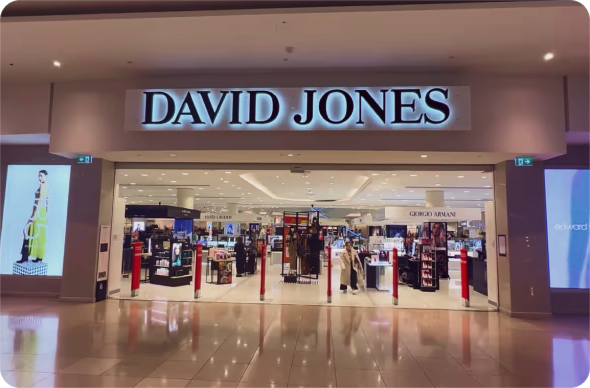
The CMS layer controls scheduling, playlists, campaign deployment, permissions, reporting and device management. In a retail media environment, the CMS is not simply a content upload tool. It becomes the operational backbone of campaign delivery.
Modern retail media CMS platforms increasingly support cloud management, enterprise governance, proof-of-play reporting, audience analytics and advertiser workflows. They allow retailers to manage multiple stores, screens, users, advertisers and campaigns through a consistent operational framework.
The CMS increasingly functions as the operating system of the retail media environment. It decides what plays, where it plays, when it plays, who can approve it, how it is reported and how advertisers receive delivery evidence.
Enterprise retailers need CMS infrastructure capable of governing thousands of screens across multiple regions and stakeholders. This includes role-based access, approval workflows, campaign calendars, multi-site playlists, device health visibility, remote updates and reporting dashboards.
For software-specific planning, Digital Signage Software Australia explains the broader CMS category, while Best Retail Media CMS Platforms compares retail-media-specific platform requirements.
Layer 3 — Audience Analytics

Audience analytics platforms increasingly integrate traffic measurement, dwell-time tracking, demographic analysis, audience engagement and attribution systems. This layer helps retailers and advertisers understand how audiences interact with screen networks.
Audience intelligence allows retailers to optimise campaigns, measure effectiveness, understand customer behaviour and improve advertising ROI. It can also help advertisers understand whether a campaign is reaching the right audience at the right moment.
Retail media increasingly depends on measurable audience engagement. Without analytics, in-store media can be difficult to compare with digital advertising channels. With analytics, retailers can demonstrate reach, engagement, dwell patterns, attention and performance indicators.
Audience analytics does not need to be invasive to be valuable. Privacy-conscious analytics can support aggregated insights, traffic patterns, attention modelling and performance measurement without requiring personally identifiable information.
Layer 4 — Proof-of-Play Reporting
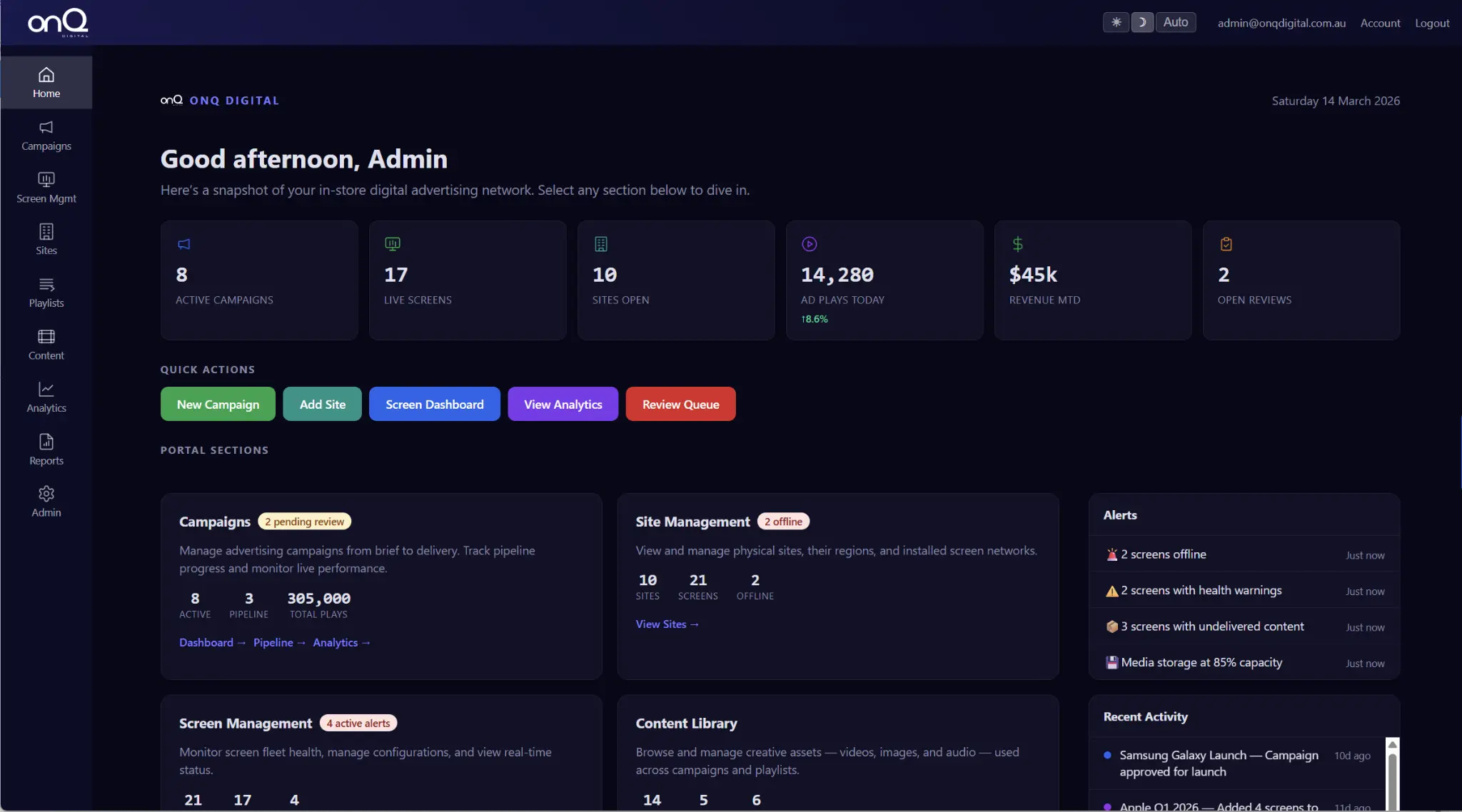
Proof-of-play reporting verifies when campaigns displayed, which screen locations were used, what timestamps were recorded, how long campaigns played and whether advertiser compliance requirements were met.
Modern proof-of-play environments increasingly include playback logs, screenshot validation, real-time reporting, campaign analytics and billing workflows. This provides the evidence base required for serious retail media monetisation.
Proof-of-play is becoming essential for advertiser trust, enterprise governance and retail media monetisation. Advertisers need confidence that campaigns were delivered, and retailers need reliable reporting to manage commercial obligations.
The What is Proof-of-Play guide explains how reporting works and why it matters for digital signage and retail media networks.
Layer 5 — Programmatic Advertising
Programmatic advertising allows automated media buying, dynamic campaigns, audience targeting and real-time optimisation. As retail media matures, programmatic infrastructure is increasingly becoming part of the enterprise retail media stack.
Modern retail media platforms increasingly integrate SSPs, DSPs, RTB exchanges and omnichannel campaign systems. This allows retailers to expose inventory to broader advertising demand while maintaining governance over where, when and how campaigns run.
Programmatic retail media is especially valuable when retailers want to scale advertising beyond manual campaign management. It allows greater automation, better yield management and more flexible campaign execution.
Programmatic infrastructure is rapidly reshaping retail media because it connects in-store media environments with the broader digital advertising ecosystem.
Layer 6 — AI Optimisation
AI-driven retail media increasingly supports predictive scheduling, audience-triggered campaigns, automated optimisation, dynamic content delivery and AI-assisted campaign workflows.
AI can help retailers decide which content should play in which location, at what time, for which audience context and under what campaign rules. It can also support creative testing, performance forecasting and dynamic media optimisation.
AI is rapidly becoming one of the biggest future differentiators in retail media infrastructure. Retailers with connected CMS, analytics and reporting systems will be better positioned to benefit from AI-driven optimisation than retailers operating disconnected screen networks.
Why Retail Media Software Matters
The software layer increasingly determines scalability, monetisation capability, advertiser trust, campaign flexibility and enterprise governance. Hardware creates visibility, but software determines whether the network can operate as a commercial media platform.
Modern retailers increasingly require cloud-based management, measurable reporting, omnichannel capability, enterprise analytics and AI-driven optimisation. These capabilities are difficult to deliver through basic USB playback, manual content updates or disconnected screen management.
The strongest retail media software platforms combine CMS capability, analytics, proof-of-play, advertiser management and enterprise communication within scalable operational ecosystems.
Retail media software also supports internal alignment. Marketing teams, store operations, media sales teams, suppliers, agencies and executive stakeholders all need consistent governance, permissions and reporting.
For retailers transitioning from basic signage to media infrastructure, What is Retail Media provides a useful foundation for understanding the commercial opportunity.
What Makes a Great Retail Media Platform?
A strong retail media platform needs cloud-based architecture, enterprise governance, proof-of-play reporting, audience analytics, omnichannel advertising, programmatic capability, AI optimisation, multi-site scalability, advertiser workflow management and retailer monetisation capability.
Cloud architecture allows retailers to manage national screen networks without relying on local manual updates. Enterprise governance ensures that the right teams can manage the right campaigns without compromising brand standards or operational control.
Proof-of-play reporting gives advertisers confidence. Audience analytics improves performance insight. Omnichannel advertising connects physical screens to digital campaigns. Programmatic capability allows retailers to access broader demand. AI optimisation supports smarter campaign delivery.
Multi-site scalability is particularly important in Australia because enterprise retail networks often operate across large geographic footprints. A platform must be able to support metro, regional and national rollouts with consistent performance.
A great platform also needs practical operational support. Software alone is not enough. Retailers need installation capability, screen network support, content operations, media workflows and commercial guidance.
Retail Media Monetisation Models
Retail media platforms create commercial value because they allow retailers to package attention as a measurable advertising product. Instead of treating in-store screens as operational signage only, retailers can define advertising inventory, campaign rules, audience contexts and reporting outputs that brands are willing to fund.
Common monetisation models include supplier-funded promotions, seasonal campaign packages, category sponsorships, screen network takeovers, store-zone advertising, retail media bundles and programmatic inventory sales. Each model requires different levels of governance, measurement and operational maturity.
Supplier-funded campaigns are often the first step for retailers because suppliers already invest in trade marketing and shopper marketing activity. A retail media platform gives these suppliers a more measurable way to activate campaigns inside stores, shopping centres or high-intent environments.
As the network matures, retailers can introduce more advanced media products such as daypart targeting, category adjacency, location-based packages, audience-context campaigns and omnichannel bundles that connect in-store screens with digital channels.
The most successful retail media monetisation strategies are built around consistency. Advertisers need clear inventory definitions, predictable campaign delivery, transparent reporting and confidence that campaigns are being governed professionally.
Operational Governance for Enterprise Retail Media
Retail media becomes complex when multiple teams, advertisers, suppliers and store locations are involved. Operational governance is therefore one of the most important parts of any enterprise retail media platform.
Governance typically includes approval workflows, brand safety rules, user permissions, campaign calendars, content deadlines, screen zoning, escalation processes, device monitoring and reporting responsibilities. Without these controls, retail media networks can become difficult to manage at scale.
A national retailer may need different access levels for head office marketing teams, store operations teams, media sales teams, external creative agencies, supplier partners and technical support teams. A strong retail media CMS supports this complexity with structured permissions and clearly defined workflows.
Governance also protects the customer experience. Retailers need to make sure advertising does not overwhelm store environments, conflict with brand standards or interrupt operational communication. The best retail media platforms balance monetisation with relevance, utility and customer experience.
Operational governance is also essential for compliance. Advertisers increasingly expect accurate proof-of-play reporting, campaign logs and confirmation that campaigns ran as agreed. This makes governance and reporting inseparable.
Measurement, Reporting and Advertiser Confidence
Retail media networks must prove value to advertisers. Measurement and reporting are therefore central to platform selection, commercial strategy and long-term advertiser retention.
Advertisers want to know where campaigns ran, when they ran, how often they played, which stores or zones were included, what audience context was available and whether performance indicators improved over time. A retail media platform must turn screen activity into understandable commercial reporting.
Proof-of-play reporting verifies delivery. Audience analytics adds context. Campaign dashboards improve visibility. Together, these systems help retailers explain the value of in-store media and justify continued advertiser investment.
Reporting also supports internal decision-making. Retailers can identify which screen zones perform best, which campaign types attract more attention, which locations support higher value inventory and which content strategies should be improved.
As retail media matures, reporting will increasingly connect with sales, loyalty, e-commerce, mobile and customer data ecosystems. This will make attribution more sophisticated and help retailers develop stronger closed-loop measurement models.
Implementation Roadmap for Retailers
Retailers do not need to build a complete enterprise retail media network all at once. The strongest implementations usually follow a staged roadmap that reduces risk while building capability.
The first stage is infrastructure assessment. Retailers should review their current screens, CMS tools, network reliability, store environments, content workflows and reporting capability. This identifies whether the existing environment can support media operations or whether foundational upgrades are required.
The second stage is platform design. This includes defining campaign types, screen zones, user roles, approval workflows, reporting requirements, advertiser inventory and commercial rules. Retailers should decide what they want to sell before they scale the network.
The third stage is pilot deployment. A pilot may involve a smaller number of stores, a specific supplier campaign, a defined screen network or a specific retail category. The goal is to validate workflows, reporting and operational performance before national rollout.
The fourth stage is commercial expansion. Once the pilot is proven, retailers can package inventory, onboard advertisers, integrate audience analytics, introduce proof-of-play reporting and expand to additional stores or channels.
The final stage is optimisation. At this point, retailers can use AI, analytics, programmatic integrations and omnichannel data to improve campaign performance and increase media yield.
Common Retail Media Platform Mistakes
Retailers often underestimate the operational complexity of retail media. A screen network does not automatically become a media network simply because advertising content can be played on it.
One common mistake is focusing only on hardware. High-quality displays matter, but commercial success depends on CMS workflow, reporting, analytics, support and advertiser governance. Screens without operational infrastructure are difficult to monetise consistently.
Another mistake is relying on manual reporting. Advertisers expect transparency. If proof-of-play reporting depends on manual screenshots, spreadsheets or store-level confirmation, the network will struggle to scale.
A third mistake is failing to define inventory properly. Retailers need to know which screens are available, what zones they belong to, what campaign rules apply, and how inventory can be packaged for advertisers.
A fourth mistake is ignoring store operations. Retail media must work in the real world. Store teams need reliable screens, simple escalation paths, clear content rules and minimal operational burden.
A fifth mistake is treating retail media as a short-term campaign channel rather than a long-term enterprise platform. The greatest value comes when media infrastructure is integrated into the retailer’s broader digital, data, marketing and operations strategy.
Programmatic Retail Media
Programmatic advertising is rapidly converging with retail media infrastructure. As retailers build larger media networks, manual campaign management becomes less efficient and less scalable.
Modern programmatic retail media environments support real-time bidding, automated inventory management, dynamic pricing, omnichannel campaigns and AI optimisation. This allows retailers to manage inventory more intelligently and advertisers to access relevant media opportunities more efficiently.
Retail media SSP integration is becoming increasingly important for enterprise retailers. It helps connect retailer-owned media inventory with the broader digital advertising market while preserving control over brand safety, campaign rules, screen locations and commercial strategy.
Programmatic capability does not replace direct supplier relationships. Instead, it can complement direct sales by expanding demand sources, improving yield and allowing greater flexibility in campaign execution.
AI and the Future of Retail Media
AI-driven retail media ecosystems increasingly support audience-triggered campaigns, predictive advertising, AI-generated content, automated optimisation, dynamic pricing and omnichannel orchestration.
AI is expected to reshape advertising delivery, customer engagement, media monetisation and in-store communication. Retailers will be able to use data from CMS, proof-of-play and analytics environments to improve decision-making and campaign performance.
In future retail media networks, AI may help determine the best content for a specific screen, store, audience profile, time of day, season, category or campaign objective. It may also support automated testing and predictive performance analysis.
The retailers best positioned for AI-driven retail media will be those that already have the right infrastructure foundations: connected screens, CMS governance, proof-of-play reporting, audience analytics and integrated workflows.
Retail Media for Different Industries
Retail media is relevant across many industries because customer attention exists in many physical environments. Grocery retailers use retail media to support supplier promotions, seasonal campaigns, brand advertising and point-of-purchase influence.
Shopping centres use retail media networks for centre-wide advertising, event promotion, tenant campaigns, wayfinding and sponsorship opportunities. Large-format LED and digital signage environments can help transform high-dwell spaces into premium media environments.
Automotive dealerships use retail media and digital signage for vehicle launches, showroom storytelling, customer lounge communication and transparent LED storefront experiences. Pharmacy and convenience retail use retail media for health, wellness, seasonal, supplier-funded and impulse-purchase campaigns.
Department stores and consumer electronics retailers use retail media to support brand storytelling, product education, supplier campaigns and premium customer experience. Hospitality and experiential venues can use retail media infrastructure for venue communication, promotions, sponsorships and customer engagement.
Why Integration Is Priceless
The strongest retail media ecosystems combine hardware, software, analytics, proof-of-play, AI optimisation and programmatic advertising within a single integrated platform.
Integration improves operational scalability because teams can manage screens, content, campaigns and reporting through connected workflows. It improves advertiser trust because campaign delivery and reporting are linked. It improves campaign performance because content, context and audience insight can work together.
Fragmented retail media environments are harder to operate. Separate screen networks, disconnected CMS systems, manual reporting and limited analytics create operational friction and reduce commercial value.
Integrated environments allow retailers to scale with confidence. They make it easier to launch campaigns, report to advertisers, govern content, optimise performance and expand networks across additional stores or regions.
This is why retail media should be planned as a full ecosystem rather than a collection of individual screens. The commercial value comes from the way the infrastructure works together.
Retail Media Procurement Checklist
Retailers evaluating retail media platforms should assess both technical and commercial capability. A platform should not be selected only because it can schedule content. It should be selected because it can support the long-term operational and commercial model of the retail media network.
Important procurement questions include whether the platform supports cloud-based multi-site management, whether it can deliver proof-of-play reports, whether audience analytics can be integrated, whether advertiser workflows are supported, whether user permissions are flexible and whether the platform can scale across national rollouts.
Retailers should also assess integration capability. Retail media platforms increasingly need to connect with programmatic systems, e-commerce environments, loyalty platforms, data clean rooms, campaign management systems and analytics dashboards.
Support capability is equally important. Retail media networks operate in live commercial environments, so retailers need responsive support, deployment expertise, device monitoring and clear escalation pathways.
The best procurement process evaluates the entire ecosystem: hardware, software, analytics, support, governance, commercial packaging and future roadmap.
How onQ Digital Supports Retail Media Networks
onQ Digital supports retail media networks by combining digital signage infrastructure, LED display expertise, CMS software, analytics, proof-of-play reporting and enterprise deployment capability.
This integrated model helps retailers move beyond fragmented screen management and toward measurable retail media operations. Instead of managing hardware, content, reporting and analytics through disconnected systems, retailers can build a coordinated environment that supports commercial growth.
onQ Digital’s experience across retail, automotive, shopping centre and enterprise environments provides practical deployment insight for organisations that need national rollout capability and ongoing support.
For retailers planning the transition from signage to media infrastructure, the most important question is not simply which screen to install. The more important question is how the screen network will be governed, measured, monetised and improved over time.
The Future of Retail Media in Australia
Retail media is expected to become one of the largest advertising categories in Australia as retailers continue investing in first-party data, omnichannel engagement, measurable in-store media and digital signage infrastructure.
Future retail media environments will increasingly combine AI, audience analytics, omnichannel engagement, programmatic advertising, digital signage, mobile integration and enterprise data ecosystems.
Retail stores are rapidly evolving into measurable media environments. This shift will change how retailers think about store design, screen networks, supplier relationships, advertising revenue and customer communication.
For Australian retailers, the opportunity is significant. Those that build integrated retail media platforms will be better positioned to monetise attention, improve engagement, strengthen supplier partnerships and compete in a more measurable advertising environment.
For advertisers, retail media provides access to high-intent audiences close to the point of purchase. For retailers, it creates a new commercial layer on top of existing customer environments. For customers, it can improve relevance, information and in-store experience when executed well.
Retail media is becoming the connective tissue between physical stores, digital advertising, customer analytics and enterprise communication. Retailers that invest in the right platform foundation now will be better prepared for the next decade of media-enabled retail.
Frequently Asked Questions
A retail media platform is a software and infrastructure ecosystem used to manage advertising campaigns, monetise retailer-owned media inventory and support supplier-funded advertising.
Proof-of-play reporting verifies that advertising or content was actually displayed on nominated screens at nominated times. For retail media networks, proof-of-play commonly includes playback logs, timestamps, screen location data, campaign reports and sometimes screenshot validation so advertisers can trust that their campaigns were delivered.
Retail media software is the operational layer used to schedule, manage, measure and monetise retailer-owned advertising inventory. It can include CMS functionality, campaign management, playlist control, audience analytics, advertiser workflows, reporting dashboards, programmatic integrations and proof-of-play verification.
Omnichannel retail media connects advertising activity across multiple retailer-owned channels, including in-store screens, e-commerce placements, mobile apps, loyalty environments and digital out-of-home touchpoints. The goal is to create more consistent campaigns across the physical and digital customer journey.
Programmatic retail media uses automated buying and selling systems to manage advertising inventory across retail media environments. It can allow brands, agencies and suppliers to purchase campaigns dynamically using integrations with SSPs, DSPs, real-time bidding systems and audience targeting platforms.
Audience analytics helps retailers and advertisers understand how customers interact with digital signage and retail media environments. It can support measurement of dwell time, traffic, attention, engagement and campaign performance, making retail media networks more accountable and commercially valuable.
Retail media is used across grocery, pharmacy, convenience retail, shopping centres, automotive dealerships, department stores, consumer electronics, hospitality, fitness and experiential environments. Any business with owned customer attention and digital communication infrastructure can potentially develop a retail media network.
Retail media CMS software manages campaign content, screen playlists, advertising schedules, user permissions, proof-of-play reporting and multi-site governance across retail media screens. It is the control layer that allows retailers to operate digital signage networks as measurable advertising platforms.
Retailers monetise digital signage by selling advertising inventory to suppliers, brands, agencies or partners. Revenue can be generated through campaign placements, sponsored content, category promotions, retail media packages, programmatic integrations and omnichannel advertising bundles.
AI-driven retail media uses automation and machine intelligence to improve campaign scheduling, audience targeting, content optimisation, dynamic messaging, reporting and media performance. AI can help retailers deliver more contextual campaigns and improve the efficiency of large-scale retail media operations.
Related Case Studies
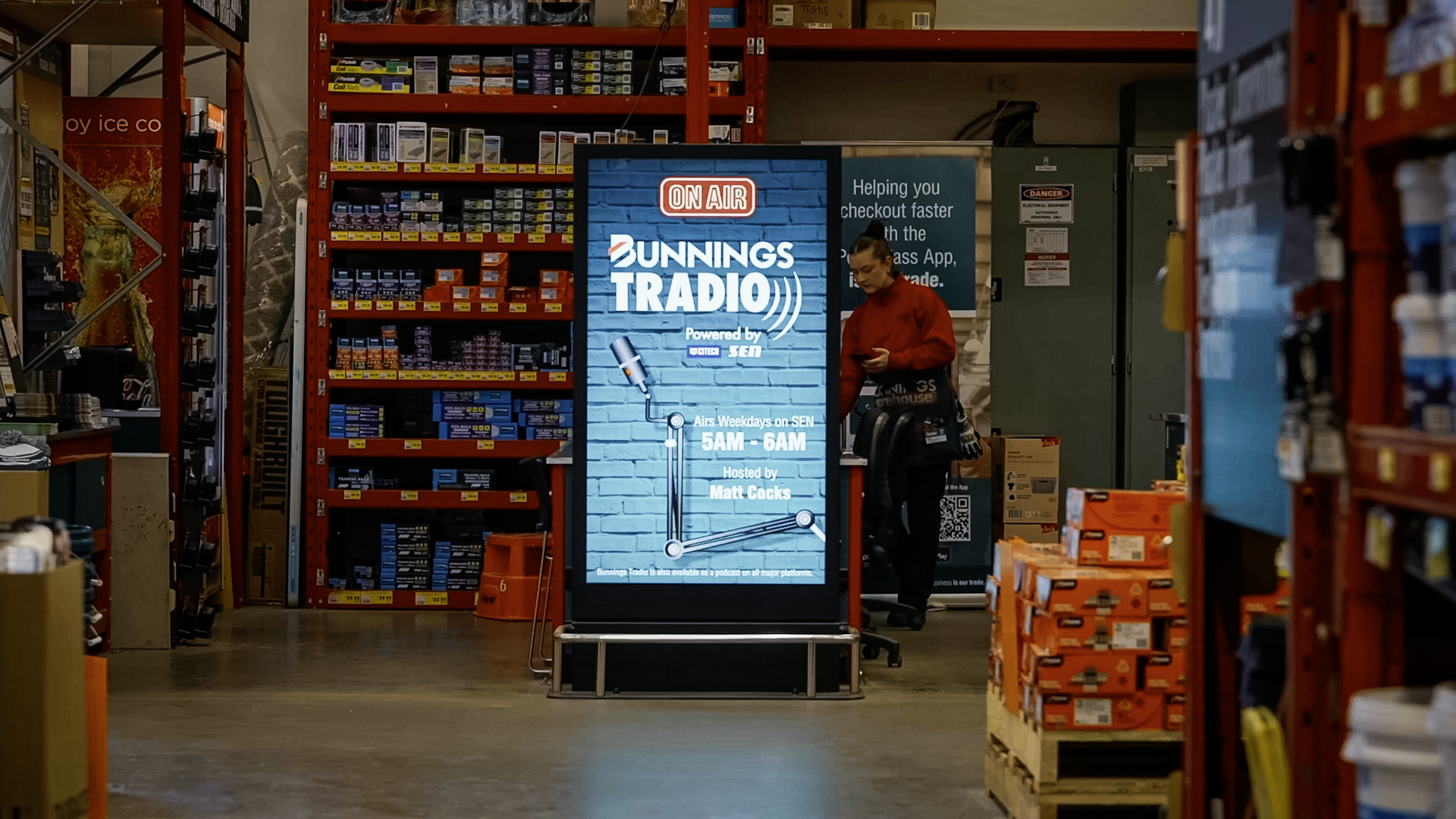
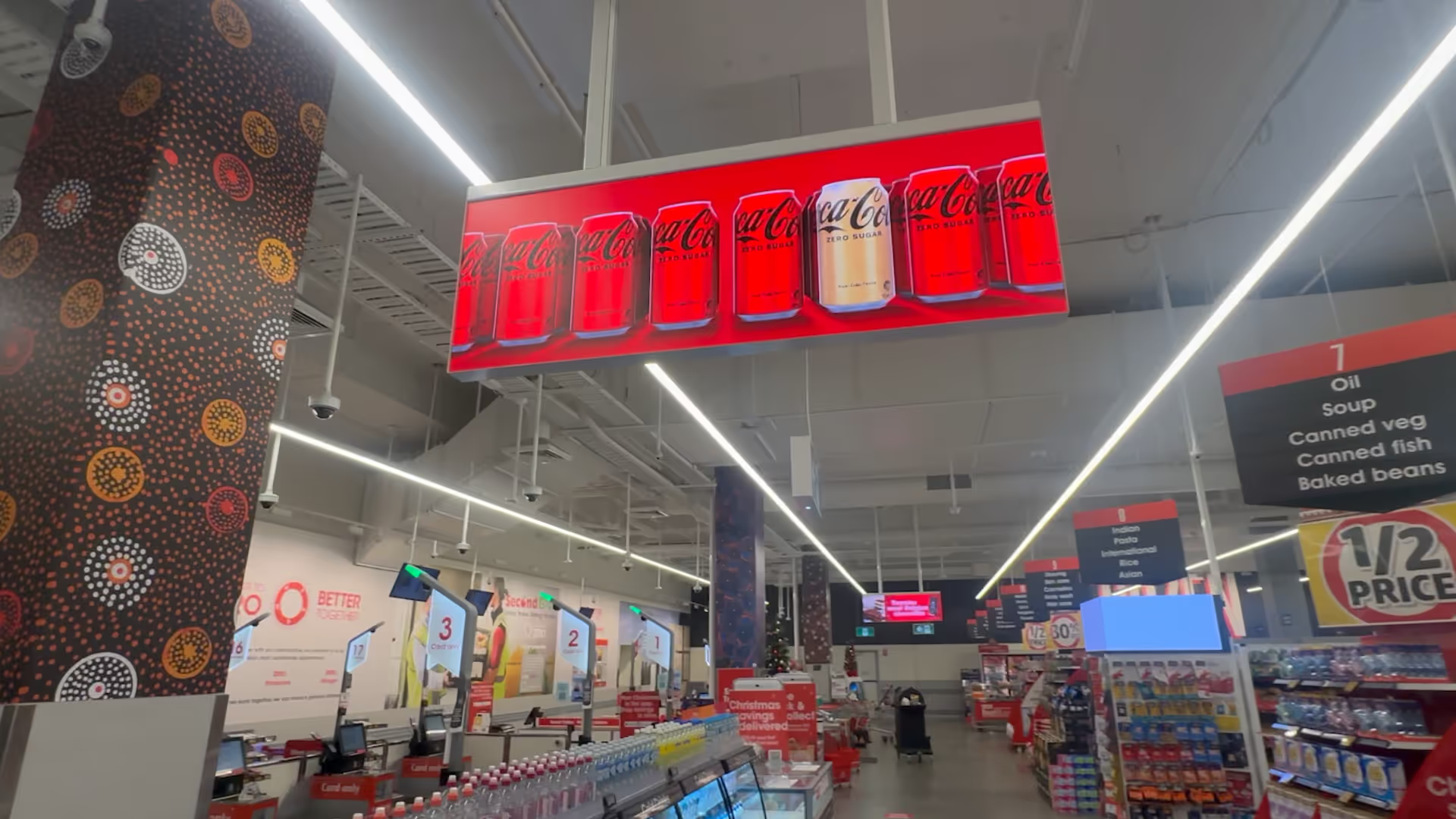

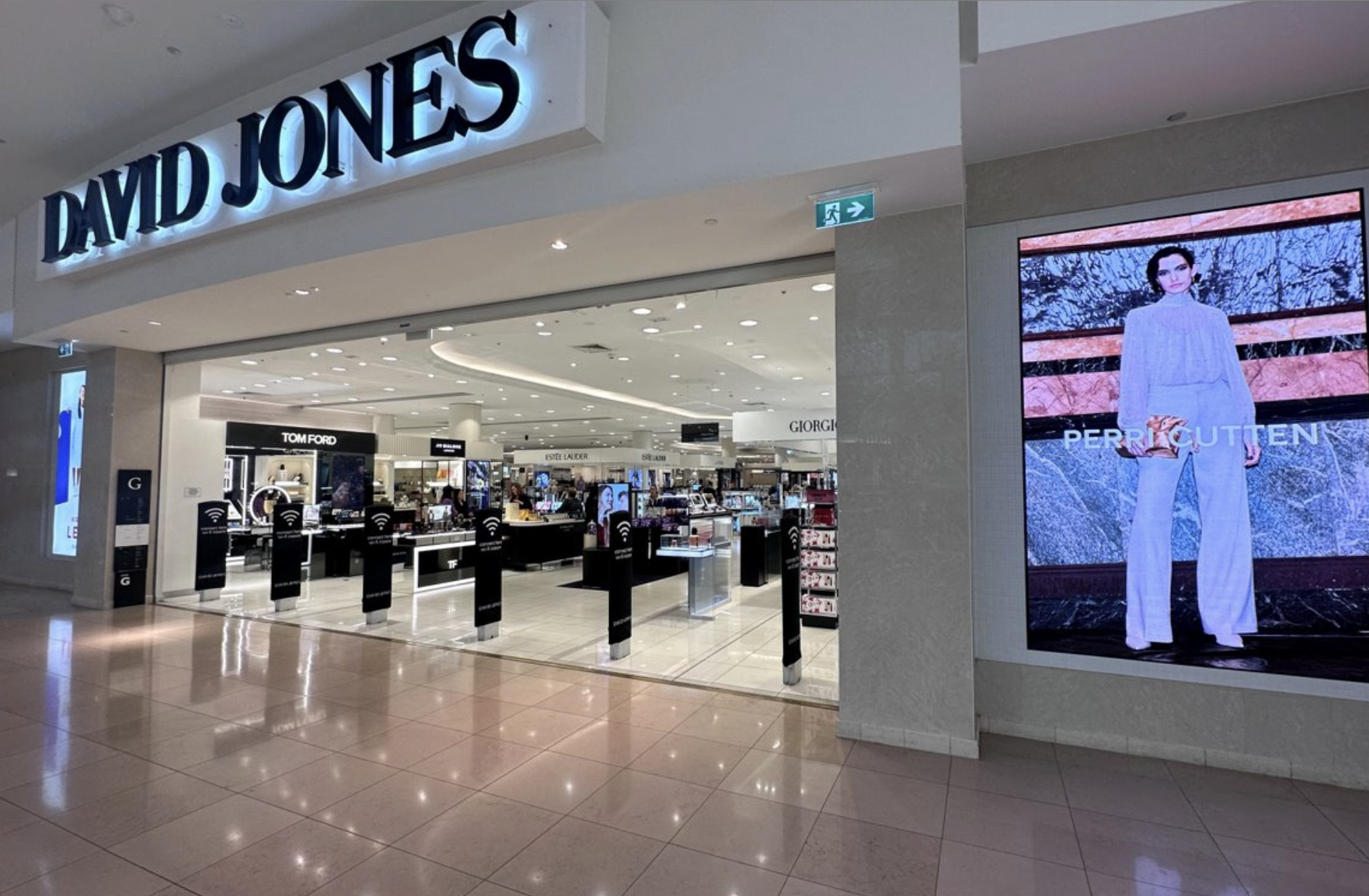
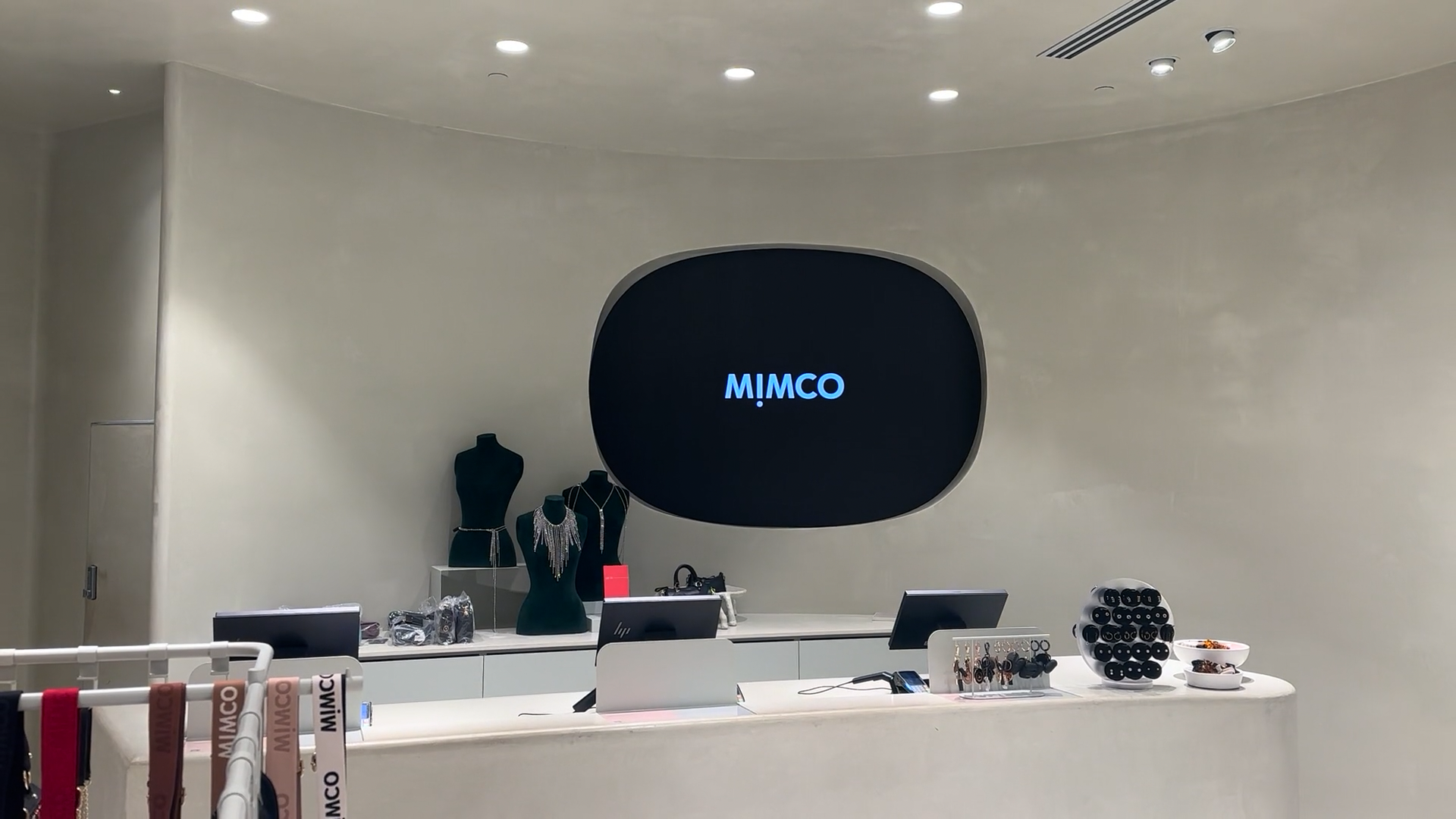

Digital signage, CMS software, retail media platforms, analytics, and managed services across Australia.
© 2026 onQ Digital. All rights reserved. Website by D&n