
Transparent LED Screens Australia

Introduction
Transparent LED Display Solutions for Retail, Automotive & Architectural Environments
Transparent LED screens are transforming the way retailers, automotive dealerships, shopping centres and corporate environments use glass surfaces for communication, branding and retail media.
Transparent LED Screens Australia
Transparent LED Display Solutions for Retail, Automotive & Architectural Environments
Transparent LED screens are transforming the way retailers, automotive dealerships, shopping centres and commercial environments use glass surfaces for communication, branding and retail media.
Unlike traditional LED displays that block visibility and natural light, transparent LED technology allows businesses to display dynamic digital content while maintaining visibility through glass facades, windows and architectural spaces.
At onQ Digital Group, we provide enterprise-grade transparent LED screen solutions across Australia, including:
- transparent LED displays
- transparent LED adhesive film
- retail window LED displays
- architectural glass LED solutions
- showroom transparent displays
- retail media window networks
- transparent LED video walls
- digital glass signage
designed for high-impact visual communication without compromising the aesthetics of your environment.
Our transparent LED solutions are supported by:
- enterprise CMS software
- national installation capability
- remote monitoring
- content management
- support & maintenance services
for scalable deployments across Australia.
What Is a Transparent LED Screen?
A transparent LED screen is a digital display technology designed to allow light and visibility to pass through the display while still presenting bright, dynamic video content.

Transparent LED displays are commonly installed on:
- retail shopfront windows
- automotive dealership glass
- shopping centre facades
- corporate office glazing
- hotel windows
- architectural glass walls
- atriums and suspended installations
- airport retail environments
Unlike traditional LED video walls, transparent LED screens maintain openness and natural light while turning existing glass into a digital media surface.
Transparent LED technology is increasingly being used for:
- retail media advertising
- experiential storefronts
- premium branding
- architectural communication
- immersive digital environments
Learn more about:
Why Transparent LED Screens Are Growing Across Australia
Transparent LED technology has rapidly become one of the fastest-growing segments of the digital signage industry due to its ability to combine:
- architectural aesthetics
- high-impact visual content
- retail media monetisation
- daylight visibility
- modern storefront design
- premium customer engagement
- immersive visual communication
Retailers and property groups increasingly use transparent LED displays to create immersive brand experiences while maintaining visibility into stores and showrooms.
Businesses are also transforming glass storefronts into:
- retail media inventory
- advertising assets
- experiential marketing environments
- dynamic brand communication platforms
- monetisable media networks
through integrated Retail Media Platform Solutions.
Transparent LED displays are increasingly being integrated into:
- luxury retail environments
- shopping centre media networks
- automotive retail media
- experiential activations
- architectural digital displays
- mixed-use developments
as businesses seek premium alternatives to traditional LED signage and LCD window displays.
Types of Transparent LED Displays
Transparent LED Adhesive Film
Transparent LED Adhesive Film is a lightweight, flexible LED substrate that adheres directly to existing glass surfaces.

This solution is ideal for:
- retail windows
- shopping centre glazing
- automotive dealerships
- hospitality venues
- internal glass partitions
- office meeting rooms
- showroom windows
- airport retail environments
Key benefits include:
- minimal structural modification
- lightweight installation
- high transparency
- rapid deployment
- retail media capability
- modern architectural integration
- reduced installation disruption
onQ’s transparent LED adhesive film maintains up to 70–90% transparency depending on the model while delivering high-brightness content visible in ambient light conditions.
This solution is increasingly popular for:
- shopping centre entrances
- luxury storefronts
- pharmacy windows
- dealership facades
- experiential retail
- premium hospitality venues
Explore:
Modular Transparent LED Panels
Transparent LED Displays utilise modular LED cabinet systems designed for larger-scale installations.
These are commonly used for:
- flagship retail stores
- shopping centre facades
- suspended atrium displays
- corporate lobbies
- building exteriors
- large-format architectural displays
- event spaces
- stadium activations
Modular transparent LED systems provide:
- larger display scalability
- custom dimensions
- higher brightness levels
- outdoor-rated options
- advanced structural integration
- curved display capability
- large-span installation flexibility
Understanding Transparent LED Pixel Pitch
Pixel pitch refers to the distance between LED pixels and directly impacts:
- image resolution
- viewing distance
- transparency level
- content clarity
Smaller pixel pitch transparent LED displays provide:
- higher image quality
- improved close-viewing performance
- premium retail presentation
- sharper content detail
Larger pixel pitch displays typically provide:
- greater transparency
- lower cost
- improved long-distance visibility
- lighter visual appearance
Choosing the correct pixel pitch depends on:
- viewing distance
- application type
- ambient light
- content requirements
- architectural goals
- budget considerations
Businesses deploying transparent LED screens in premium retail environments typically prioritise:
- close viewing quality
- transparency balance
- brightness performance
- architectural integration
Key Features of Transparent LED Screens
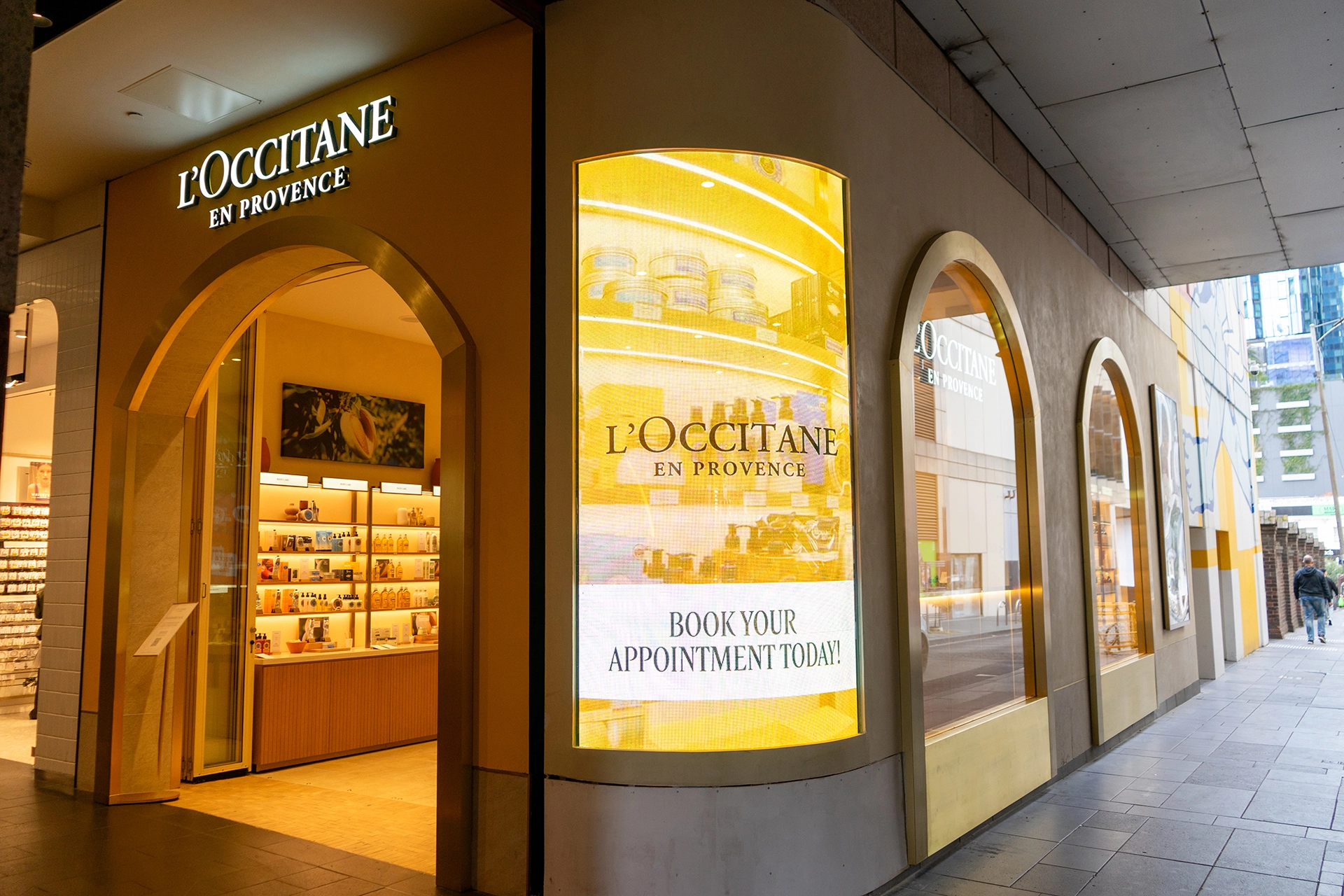
High Transparency Levels
Modern transparent LED screens can achieve up to 80–90% transparency depending on pixel pitch and display design.
This allows:
- natural light transmission
- interior visibility
- product visibility
- open architectural aesthetics
- premium storefront presentation
while still delivering vibrant digital content.
High-Brightness Content Visibility
Transparent LED screens are engineered for high ambient light environments including:
- storefront windows
- shopping centres
- sunlit facades
- automotive showrooms
- airport retail
- hospitality venues
High-brightness LED technology ensures content remains visible during daytime operation while maintaining transparency.
Lightweight Architectural Design
Transparent LED displays are significantly lighter than traditional LED video walls, reducing:
- structural load requirements
- mounting complexity
- installation disruption
- engineering costs
This makes them ideal for existing glass infrastructure and premium architectural environments.
Retail Media & Advertising Capability
Transparent LED displays are increasingly used as:
- in-store advertising platforms
- retail media assets
- supplier-funded advertising channels
- promotional storefront networks
- experiential media displays
When combined with Digital Signage Software Australia, businesses can centrally manage:
- advertising campaigns
- proof-of-play reporting
- scheduled promotions
- dynamic content
- multi-location rollouts
- daypart advertising
- synchronised campaigns
across transparent LED screen networks.
Businesses looking to monetise storefront displays should also explore:
Transparent LED vs LCD Window Displays
| Feature | Transparent LED | LCD Window Displays |
|---|---|---|
| Visibility Through Display | Yes | No |
| Natural Light Retention | Excellent | Limited |
| Architectural Integration | Excellent | Moderate |
| Store Visibility | Maintained | Blocked |
| Large Scale Capability | Excellent | Limited |
| Premium Visual Impact | High | Moderate |
| Brightness | Very High | High |
| Retail Media Capability | Excellent | Excellent |
Transparent LED is ideal for:
- premium storefronts
- architectural environments
- automotive showrooms
- large glass facades
- immersive retail media environments
Businesses comparing technologies should also explore:
- LED Screens Australia
- LED Video Walls
Transparent LED Screens for Retail Stores
Retail environments are one of the largest adopters of transparent LED display technology.
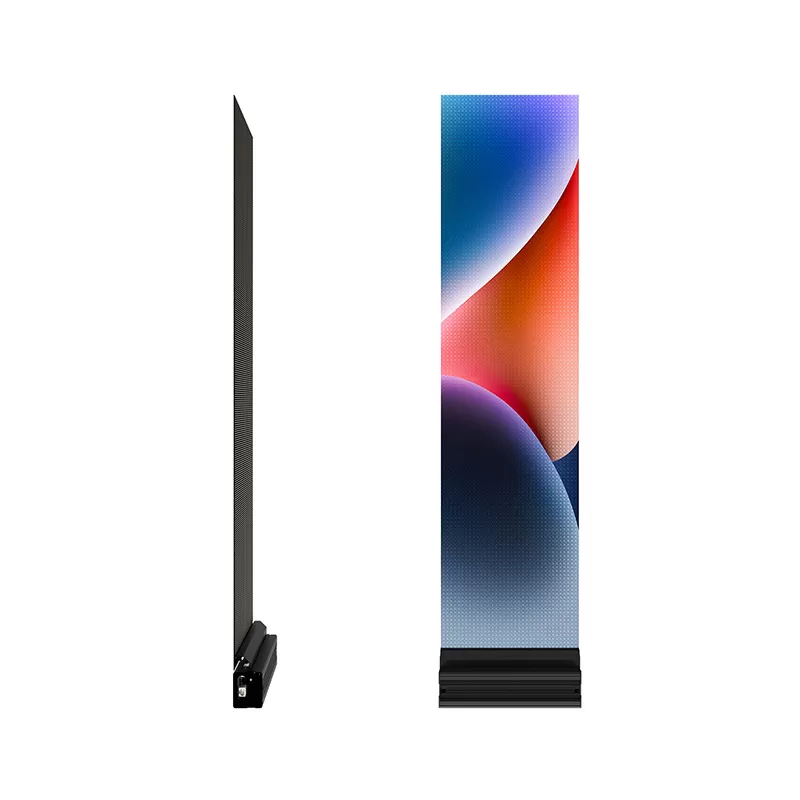
Transparent LED screens allow retailers to:
- attract foot traffic
- create immersive storefronts
- maintain product visibility
- deliver dynamic promotions
- support retail media campaigns
- enhance premium branding
- improve visual merchandising
without blocking visibility into the store.
Transparent LED technology is increasingly used by:
- fashion retailers
- electronics retailers
- cosmetics brands
- luxury retailers
- sporting brands
- automotive showrooms
to create high-impact digital storefront experiences.
Explore:
- Retail Digital Signage Solutions
- Retail Media Platform Australia
- LED Screens Australia
Transparent LED for Automotive Dealerships
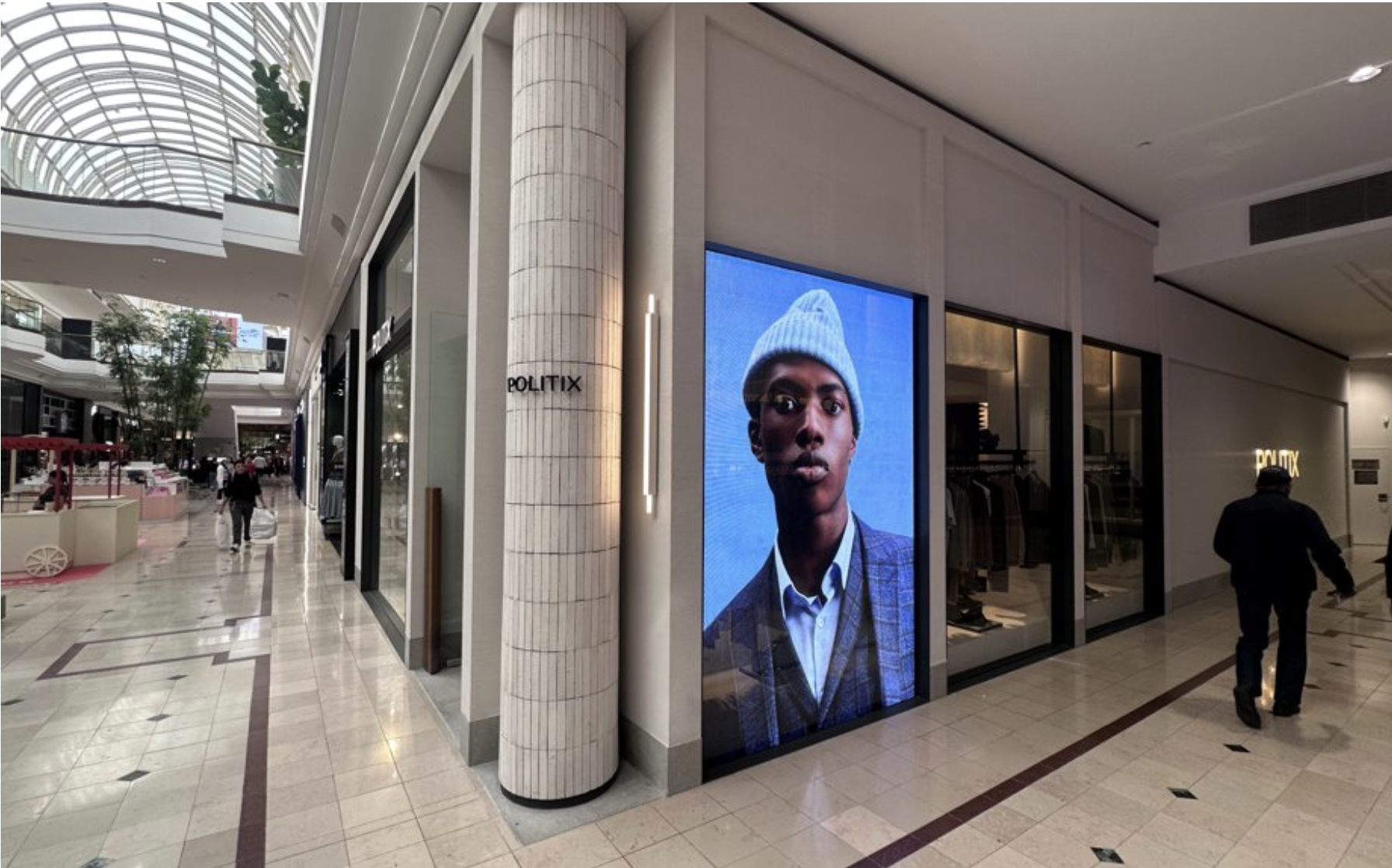
Automotive dealerships across Australia are increasingly using transparent LED displays to transform showroom windows into dynamic brand experiences.
Transparent LED technology allows dealerships to:
- promote vehicle launches
- display finance campaigns
- showcase brand content
- increase street visibility
- maintain visibility of vehicles inside showrooms
- synchronise national campaigns
- modernise dealership architecture
while creating a premium digital frontage.
Transparent LED displays are particularly effective for:
- dealership windows
- showroom entrances
- launch activations
- after-hours visibility
- EV marketing campaigns
Learn more about:
- Automotive Digital Signage Solutions
- Digital Signage Australia
- Digital Signage Software Australia
Transparent LED Screens for Shopping Centres
Shopping centres are increasingly using transparent LED screens to:
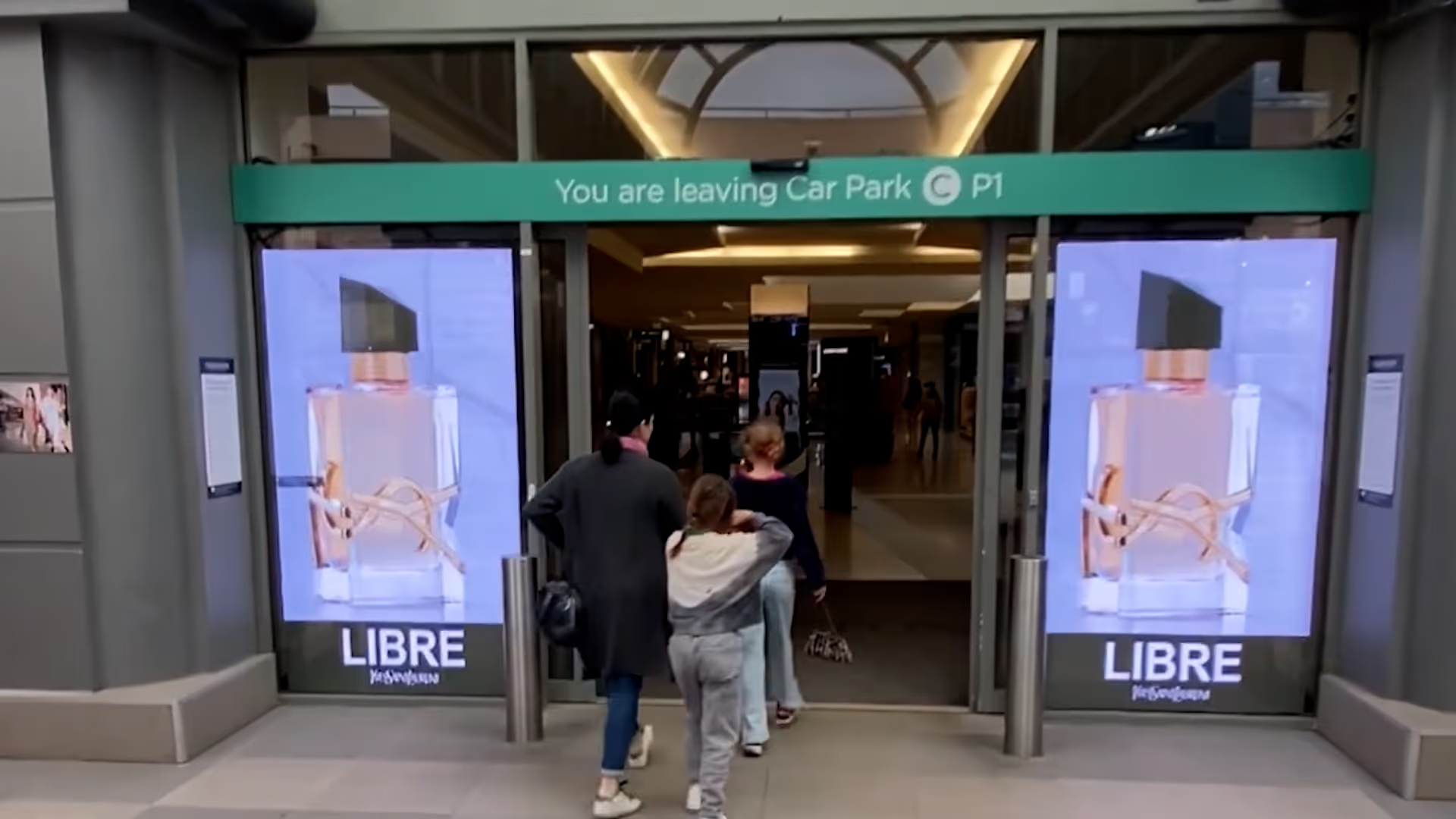
- monetise glass facades
- deliver centre-wide advertising
- create immersive activations
- support retailer campaigns
- improve customer engagement
- enhance mall aesthetics
- activate vacant storefronts
Transparent LED displays allow centre operators to generate media revenue from existing architectural surfaces without obstructing sightlines or natural light.
This technology is increasingly being incorporated into:
- premium shopping centres
- mixed-use developments
- airport retail precincts
- entertainment venues
- hospitality environments
Transparent LED & Retail Media Networks
Retailers across Australia are increasingly deploying transparent LED screens as part of broader retail media strategies.
Transparent LED storefront displays allow businesses to:
- monetise window frontage
- deliver supplier advertising
- increase campaign visibility
- activate storefront media inventory
- support programmatic advertising
- improve customer engagement
When integrated with:
- Digital Signage Software Australia
- Retail Media Platform Australia
transparent LED networks can operate as scalable retail media infrastructure across national store networks.
Transparent LED Screens vs Traditional LED Video Walls
| Feature | Transparent LED Screens | Traditional LED Walls |
|---|---|---|
| Visibility Through Screen | Yes | No |
| Natural Light Retention | High | Minimal |
| Architectural Integration | Excellent | Moderate |
| Structural Weight | Lightweight | Heavier |
| Retail Window Applications | Ideal | Limited |
| Storefront Visibility | Maintained | Blocked |
| Premium Aesthetic | High | Moderate |
| Retail Media Capability | Excellent | Excellent |
Transparent LED technology is ideal where visibility, openness and architectural integration are critical.
Businesses comparing display technologies should also explore:
- LED Video Walls
- LED Screens Australia
Transparent LED Screen Costs in Australia
Transparent LED screen pricing in Australia varies depending on:
- pixel pitch
- transparency level
- brightness requirements
- indoor vs outdoor application
- structural requirements
- content management requirements
- installation complexity
Transparent LED displays typically range from:
- entry-level retail window solutions
- through to large-scale architectural LED facade installations
Factors affecting transparent LED pricing include:
- screen size
- transparency percentage
- brightness levels
- mounting system
- weatherproofing
- CMS software integration
- content requirements
Businesses investing in transparent LED signage often achieve ROI through:
- increased foot traffic
- improved brand visibility
- retail media monetisation
- supplier-funded advertising
- premium customer engagement
Learn more about:
- Retail Media Platform Australia
- Digital Signage Software Australia
Digital Signage Software for Transparent LED Displays
Transparent LED screens require advanced content management platforms capable of:
- high-resolution playback
- LED scaling
- synchronised playback
- remote monitoring
- scheduling
- proof-of-play reporting
- multi-location control
- retail media workflows
onQ’s Digital Signage CMS Platform provides centralised management for transparent LED deployments across Australia.
The platform supports:
- cloud-based scheduling
- remote diagnostics
- advertising workflows
- multi-screen synchronisation
- retail media campaigns
- enterprise user permissions
- network health monitoring
This allows businesses to operate transparent LED displays as scalable communication and advertising infrastructure.
Why Businesses Choose onQ for Transparent LED Displays
onQ Digital combines:
- transparent LED hardware
- enterprise CMS software
- retail media infrastructure
- national installation capability
- content management
- support & maintenance
- remote monitoring
through one integrated solution.
Our team supports transparent LED deployments across:
- retail stores
- shopping centres
- automotive dealerships
- hospitality venues
- corporate environments
throughout Australia.
Unlike providers who focus purely on hardware supply, onQ delivers:
- strategy
- procurement
- installation
- CMS integration
- content workflows
- remote support
- ongoing maintenance
- long-term network management
for complete end-to-end digital signage deployments.
Explore:
- Digital Signage Solutions
- Digital Signage CMS Platform
- LED Screens Australia
- Retail Media Platform Australia
Learn more about:
- Retail Media Platforms Australia
- Digital Signage Software Australia
Future-Proof Your Storefront & Glass Architecture
Transparent LED technology represents the future of immersive architectural digital signage.
As retailers and property groups increasingly seek:
- premium customer experiences
- retail media monetisation
- immersive storefront design
- architectural integration
- dynamic digital communication
- experiential retail environments
transparent LED displays are becoming a core part of modern retail and commercial environments.
onQ Digital helps Australian businesses design, deploy and manage scalable transparent LED screen networks tailored to retail, automotive, hospitality and enterprise applications.
Recommended Related Pages
- Digital Signage Software Australia
- Retail Media Platform Australia
- Digital Signage Australia
- LED Screens Australia
- LED Video Walls
- Transparent LED Adhesive Film
- Transparent LED Displays
Frequently Asked Questions
Transparent LED is a see-through digital display technology that allows dynamic content to be shown on glass while maintaining visibility and natural light transmission.
Most transparent LED screens provide between 70% and 90% transparency depending on pixel pitch and display configuration.
Transparent LED displays are commonly used in:
- retail stores
- shopping centres
- automotive dealerships
- corporate buildings
- hospitality venues
- airport retail environments
Yes. Many transparent LED systems are available in weatherproof outdoor-rated configurations suitable for glass facades and external architectural installations.
Transparent LED displays are commonly used across:
- retail
- automotive
- hospitality
- shopping centres
- corporate environments
- museums
- property developments
- airports
- entertainment venues
Yes. Transparent LED displays are increasingly used for retail media and digital advertising networks when integrated with enterprise CMS platforms and campaign management systems.
Related Case Studies


.png)

Digital signage, CMS software, retail media platforms, analytics, and managed services across Australia.
© 2026 onQ Digital. All rights reserved. Website by D&n