
Transparent LED vs LCD Window Displays

Introduction
Understanding Transparent LED vs LCD Window Display Technology
Transparent LED and LCD window displays are two of the most widely used storefront display technologies across retail, automotive, shopping centre, hospitality, and commercial environments throughout Australia.
Both technologies allow businesses to transform storefront windows into dynamic communication and retail media environments.
However they differ significantly in:
- Transparency
- Brightness
- Visual impact
- Architectural integration
- Retail media capability
- Scalability
- Viewing experience
- Installation flexibility
As retailers increasingly invest in immersive customer experiences and retail media infrastructure, understanding the differences between transparent LED and LCD window displays is becoming increasingly important.
Modern storefront environments are no longer simply static shopfronts.
They are increasingly functioning as:
- Retail media channels
- Advertising environments
- Brand engagement systems
- Digital storefront experiences
- Customer acquisition infrastructure
Selecting the correct storefront display technology plays a major role in customer engagement, advertising visibility, and long-term operational performance.
What is Transparent LED?
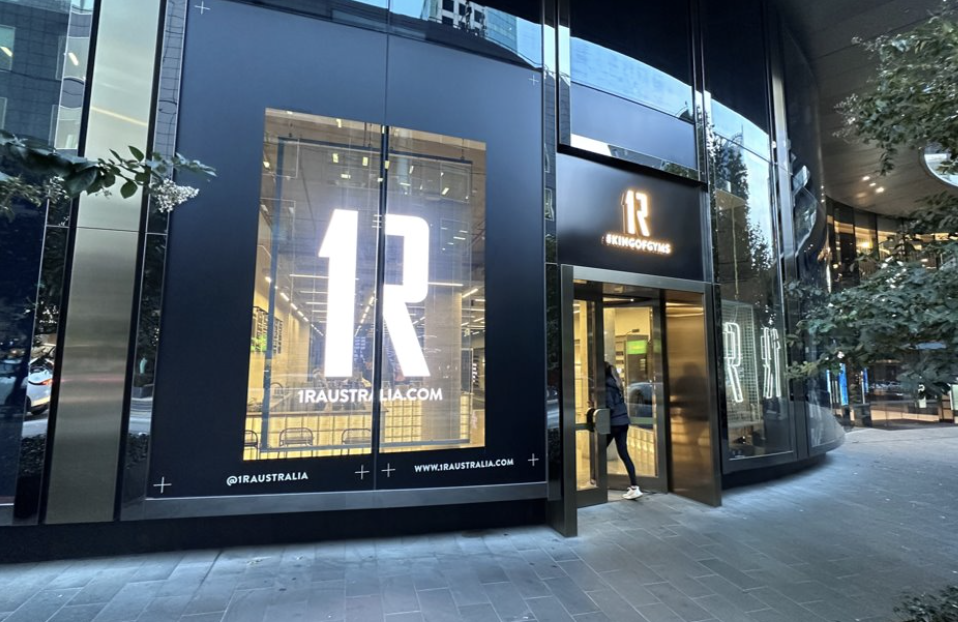
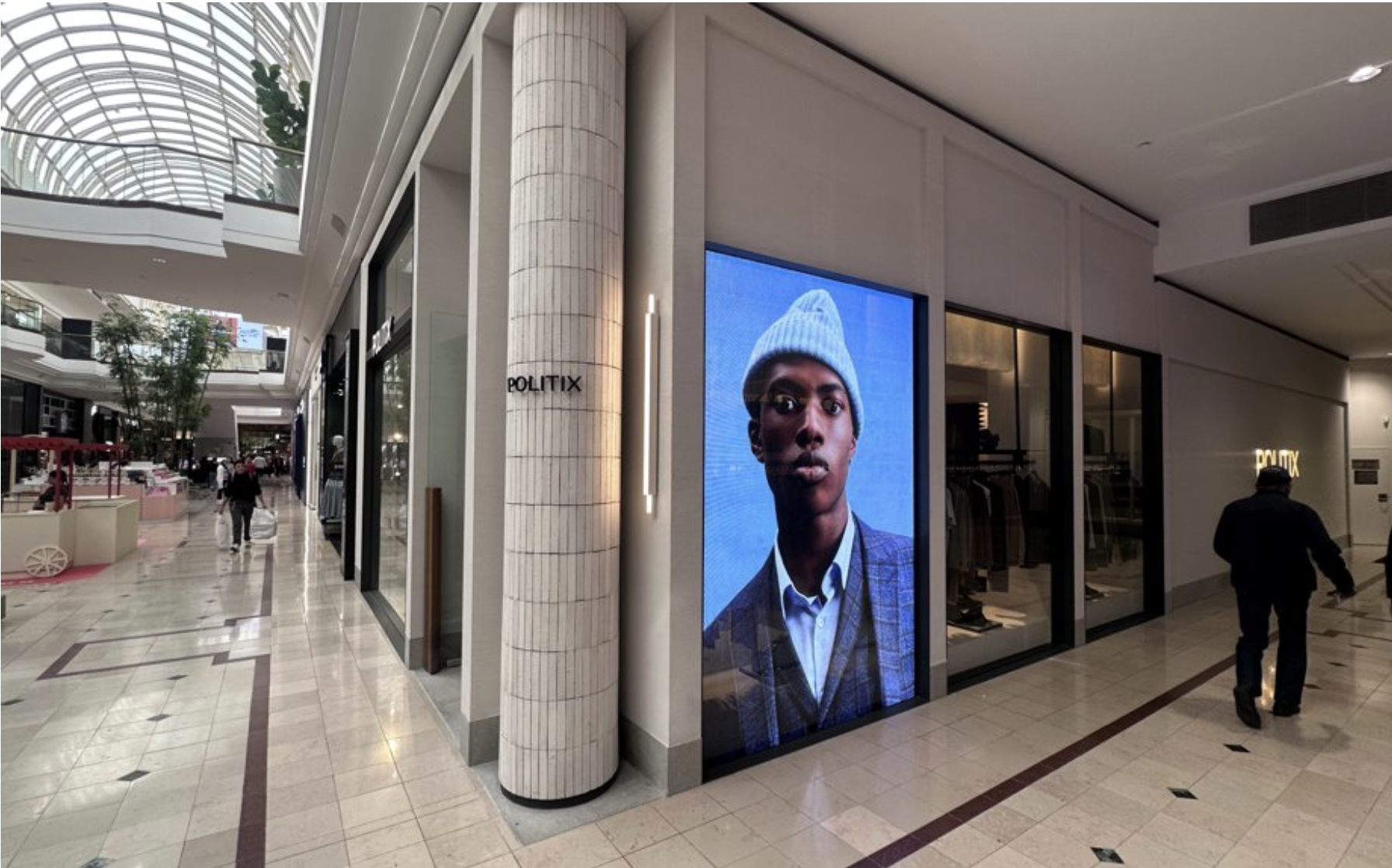
Transparent LED is a display technology designed specifically for glass environments.
Unlike traditional displays, transparent LED systems allow businesses to display digital content while still maintaining visibility through the glass.
Transparent LED environments are increasingly used across:
- Retail storefronts
- Automotive dealerships
- Shopping centres
- Commercial property
- Experience centres
- Brand activation environments
Transparent LED technology combines:
- Dynamic digital communication
- Architectural integration
- Premium visual presentation
- Retail media capability
- Storefront transparency
Modern transparent LED systems commonly support:
- Promotional campaigns
- Retail media advertising
- Product launches
- Brand storytelling
- Dynamic storefront communication
Transparent LED is increasingly becoming one of the fastest-growing display technologies across premium commercial environments.
What are LCD Window Displays?
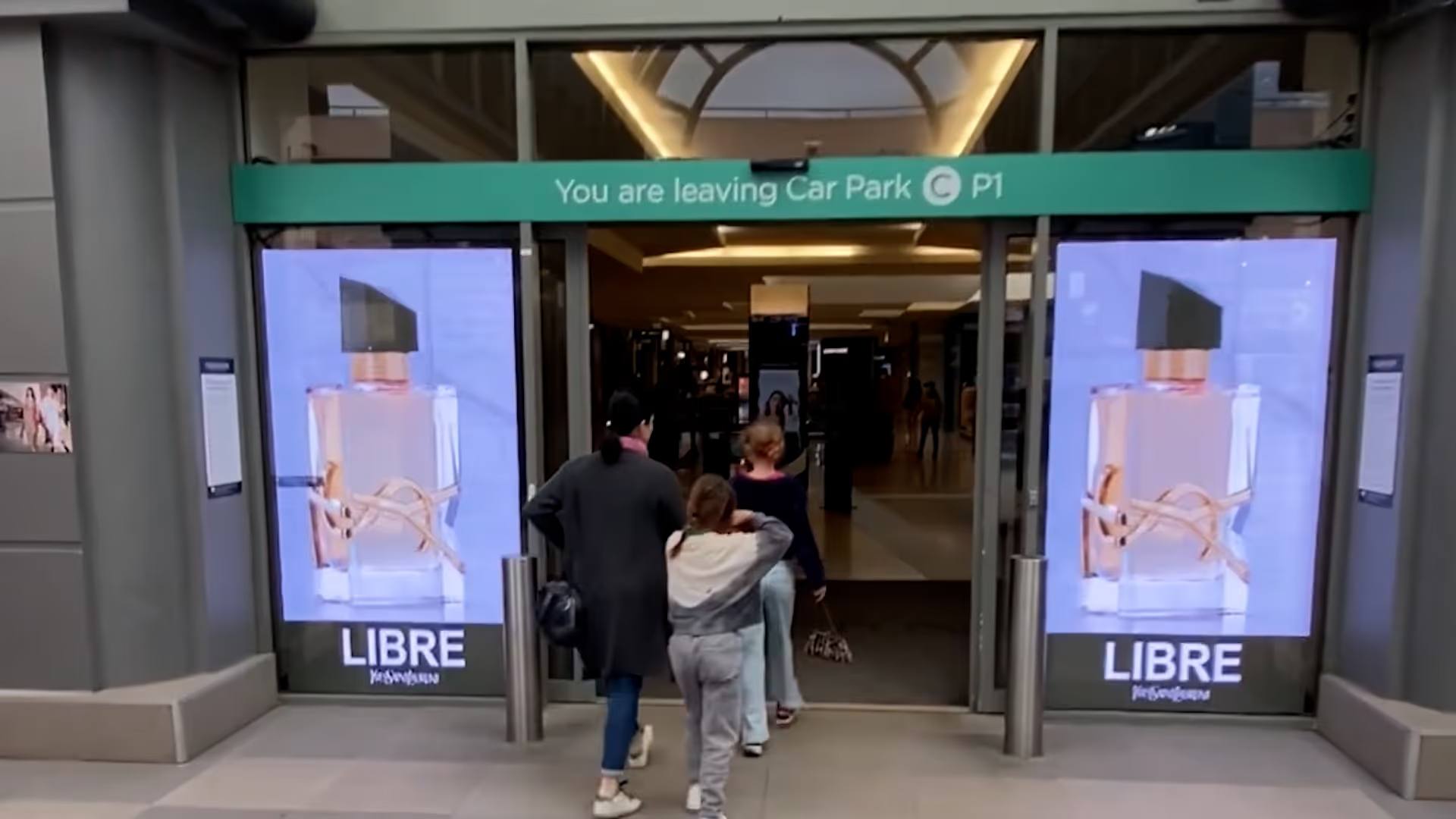
LCD window displays use commercial LCD screens positioned within storefront environments.
These systems are commonly used across:
- Retail storefronts
- Quick-service restaurants
- Corporate environments
- Shopping centres
- Hospitality venues
LCD window displays are effective for:
- Promotional messaging
- Product advertising
- Retail communication
- Smaller-format campaigns
Commercial LCD window systems commonly provide:
- Strong image clarity
- Cost-effective deployment
- Standardised display sizes
- Close-range viewing capability
LCD displays remain highly effective for many commercial storefront environments.
Transparent LED vs LCD Comparison Table
| Feature | Transparent LED | LCD Window Displays |
|---|---|---|
| Transparency | Excellent | None |
| Store Visibility | Maintained | Blocked |
| Architectural Integration | Excellent | Moderate |
| Brightness | High | Moderate-high |
| Retail Media Capability | Excellent | Good |
| Large-Format Scalability | Excellent | Limited |
| Visual Impact | Exceptional | Strong |
| Premium Brand Presentation | Excellent | Good |
| Daylight Visibility | Strong | Moderate |
| Cost | Higher | Lower |
Transparent LED Advantages
Transparent LED provides several major advantages across premium storefront environments.
Maintains Storefront Visibility
One of the biggest advantages of transparent LED is the ability to maintain visibility into the physical store.
This allows retailers to:
- Preserve natural light
- Showcase products behind the display
- Maintain architectural openness
- Improve customer visibility
Traditional LCD displays completely block visibility behind the screen.
Transparent LED allows storefront windows to function as both:
- Advertising environments
- Product visibility environments
simultaneously.
Premium Visual Impact
Transparent LED environments create highly immersive storefront experiences.
Large-format transparent LED systems are increasingly used across:
- Luxury retail
- Automotive dealerships
- Shopping centres
- Brand experience environments
Businesses increasingly use transparent LED to create:
- High-impact campaigns
- Premium brand presentation
- Dynamic customer engagement
- Retail media advertising
Large-Format Scalability
Transparent LED technology is highly scalable.
Businesses can create:
- Large storefront installations
- Multi-store retail media networks
- Architectural digital facades
- Experience centre environments
without the visual limitations of traditional LCD panels.
Retail Media Capability
Transparent LED is increasingly used for retail media because it provides:
- Exceptional visibility
- Premium advertising presentation
- High customer engagement
- Dynamic storefront monetisation
Retailers increasingly use transparent LED storefronts as monetisable media inventory.
LCD Window Display Advantages
LCD window displays continue providing several important commercial advantages.
Lower Upfront Costs
LCD systems generally provide lower upfront investment compared to premium transparent LED environments.
This makes LCD attractive for:
- Smaller retail environments
- Budget-conscious deployments
- Standardised communication systems
Strong Close-Range Clarity
LCD displays provide excellent close-range image quality.
This makes LCD suitable for:
- Product advertising
- Menu boards
- Smaller storefront campaigns
- High-detail communication
Simpler Deployment
LCD window systems commonly use standard commercial display formats.
This can simplify:
- Installation
- Mounting
- Service access
- Maintenance workflows
LCD environments remain highly effective across many smaller-format retail applications.
Transparent LED for Retail Media
Retail media is one of the biggest growth drivers behind transparent LED adoption.
Retailers increasingly use transparent LED storefronts for:
- Supplier-funded campaigns
- Product launches
- Seasonal promotions
- Dynamic advertising
- Brand storytelling
- Storefront monetisation
Transparent LED environments increasingly integrate with:
- Retail media CMS platforms
- Proof-of-play reporting
- Audience analytics
- Programmatic advertising systems
- AI-driven optimisation
Modern storefront environments increasingly operate as monetisable advertising ecosystems.
Transparent LED for Automotive Dealerships
Automotive dealerships are one of the fastest-growing applications for transparent LED technology.
Transparent LED allows dealerships to:
- Maintain vehicle visibility
- Deliver dynamic campaigns
- Support vehicle launches
- Create immersive showrooms
- Improve premium brand presentation
Transparent LED is particularly effective across:
- Luxury automotive brands
- EV showrooms
- Performance vehicle environments
- Premium dealership groups
Automotive environments increasingly use storefront glass as both communication and advertising infrastructure.
Brightness & Daylight Visibility
Brightness is one of the most important factors in storefront display environments.
Transparent LED displays commonly operate between:
- 3,000–6,000 nits
depending on:
- Sunlight exposure
- Viewing distance
- Storefront orientation
LCD window displays generally provide:
- Lower brightness capability
- Reduced daylight visibility
particularly in direct sunlight conditions.
High-brightness storefront environments increasingly favour LED technology due to improved daytime performance.
Architectural Integration
Transparent LED systems provide significantly stronger architectural integration compared to traditional LCD displays.
Transparent LED allows businesses to:
- Maintain visual openness
- Preserve building aesthetics
- Integrate digital communication into architecture
- Create seamless storefront experiences
Architects and premium retailers increasingly favour transparent LED due to its ability to combine:
- Design flexibility
- Digital communication
- Premium visual presentation
within a single environment.
CMS Software & Storefront Management
Both transparent LED and LCD environments increasingly integrate with cloud-based CMS platforms.
Modern CMS systems allow businesses to:
- Manage campaigns remotely
- Schedule storefront advertising
- Generate proof-of-play reporting
- Deliver real-time updates
- Support retail media advertising
- Monitor display health
Enterprise storefront networks increasingly require sophisticated operational governance capable of supporting:
- Multiple locations
- Advertising workflows
- Audience analytics
- Dynamic scheduling
CMS software is becoming increasingly important across storefront communication environments.
Proof-of-Play & Analytics
Modern storefront environments increasingly require:
- Proof-of-play reporting
- Audience analytics
- Engagement measurement
- Campaign verification
- Retail media accountability
Advanced storefront environments increasingly combine:
- CMS platforms
- Proof-of-play systems
- Camera analytics
- Attribution reporting
- Audience intelligence systems
within a single operational ecosystem.
These systems improve:
- Advertising transparency
- Campaign optimisation
- Retail media monetisation
- Customer engagement analysis
Which Technology is Better?
The best storefront display technology depends on:
- Budget
- Storefront size
- Retail media goals
- Brand positioning
- Visibility requirements
- Architectural objectives
- Transparent LED is generally preferred for:
- Premium retail environments
- Large storefront glass
- Retail media advertising
- Luxury brand environments
- Automotive dealerships
- Experience centres
- LCD window displays are generally preferred for:
- Smaller-format storefronts
- Budget-conscious deployments
- Simpler communication environments
- Standard promotional messaging
Both technologies continue to play important roles across modern storefront communication ecosystems.
Future of Storefront Display Technology
Storefront display environments are rapidly evolving toward:
- Retail media monetisation
- AI-driven advertising
- Audience analytics integration
- Dynamic campaign optimisation
- Omnichannel communication
Transparent LED technology is expected to continue growing rapidly across:
- Luxury retail
- Automotive environments
- Shopping centres
- Commercial property
- Experience centres
as businesses increasingly invest in immersive physical customer experiences.
Related onQ resources
For deeper planning context, compare this topic with Transparent LED Screens Australia, transparent LED in Brisbane, LED vs LCD displays, LED brightness planning, retail LED displays and automotive digital signage.
Frequently Asked Questions
Transparent LED is a display technology designed for glass surfaces while maintaining visibility through the display.
LCD window displays are commercial LCD screens used within storefront environments.
Transparent LED maintains visibility through the glass while LCD displays block visibility.
Transparent LED is increasingly preferred for premium retail media environments.
Transparent LED systems generally provide stronger daylight visibility.
Yes. Transparent LED environments typically involve higher upfront investment.
Retail, automotive, shopping centres, and commercial property environments increasingly use transparent LED.
Yes. Modern CMS platforms commonly support both transparent LED and LCD storefront systems.
Yes. Modern transparent LED environments increasingly integrate with proof-of-play systems.
Businesses increasingly want premium storefront communication while maintaining architectural openness and product visibility.
Related Case Studies


.png)


Digital signage, CMS software, retail media platforms, analytics, and managed services across Australia.
© 2026 onQ Digital. All rights reserved. Website by D&n