
Retail Media Australia

Introduction
Retail media turns store traffic into a measurable advertising channel. The opportunity is simple: brands want to reach shoppers close to the point of purchase, and retailers already own the screens, locations and customer relationships that make that possible. The hard part is building the network well enough to sell, schedule and report campaigns with confidence.
onQ Digital Group provides the technology and operating model for retail media networks across Australia. We specify and install the screens, connect them to onQ CMS, support the network and help retailers run supplier-funded activity across physical stores. The result is a media network that works inside the retail environment, not a screen project that sits beside it.
What is a retail media network?
A retail media network is an advertising platform owned or operated by a retailer. It allows suppliers and brand partners to buy media across the retailer's assets, including websites, apps, loyalty channels, in-store screens and audio. This page focuses on the physical store layer: digital signage, LED displays, interactive screens and in-store audio that can carry paid campaigns.
In-store retail media is different from standard out-of-home advertising because it sits inside a shopping context. A screen in a store can promote a product category, support a supplier launch, reinforce a catalogue campaign or drive attention at the shelf. When it is connected to a CMS with proof-of-play reporting, the retailer can show what played, where it played and when it played.
The value grows when first-party retail data, store knowledge and screen inventory come together. Retailers can sell campaigns by category, store cluster, state, season, audience moment or trading period. Suppliers can spend closer to the point of purchase, where the message has a clearer path to action.
How in-store retail media works
A working retail media network needs three layers. First, it needs physical inventory: screens and audio in useful positions. Second, it needs software: scheduling, campaign rules, approvals and proof-of-play. Third, it needs operations: sales workflow, trafficking, reporting, support and content standards.
onQ helps retailers build those layers together. That matters because a media network fails if the screens look good but cannot be sold, or if campaigns are sold but cannot be delivered accurately.
Screen and audio inventory
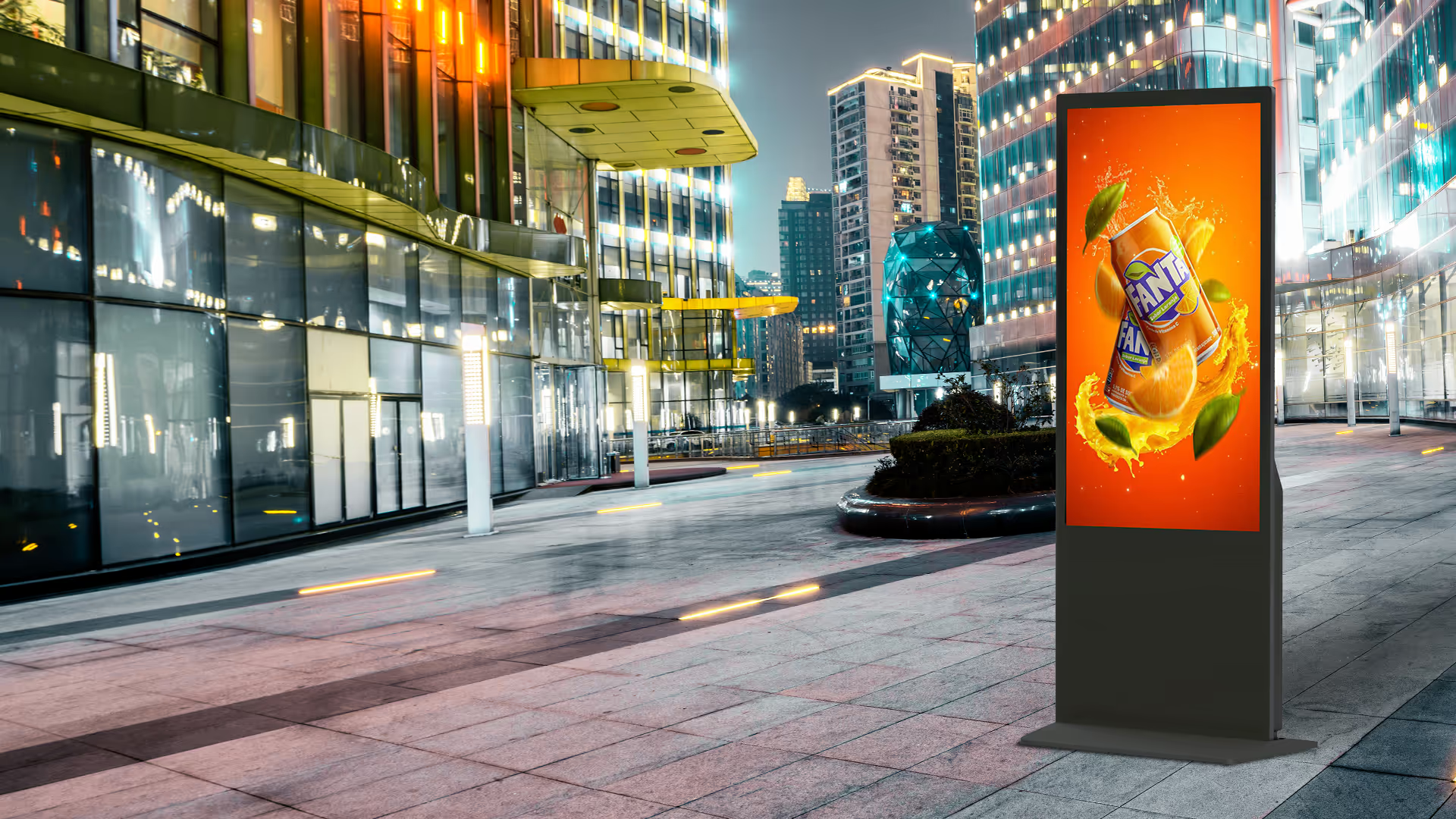
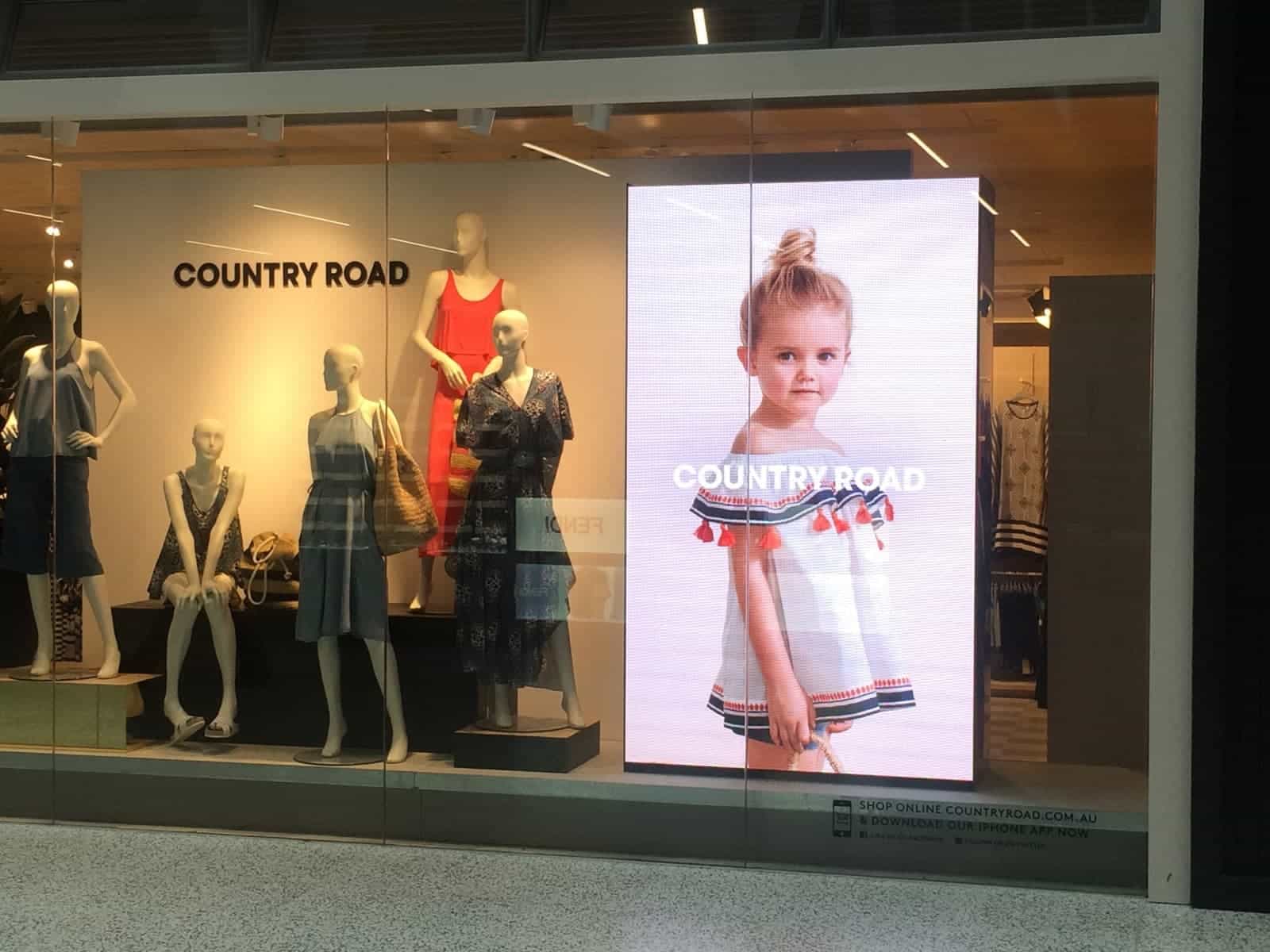
The physical network may include LCD displays, LED signage, shopfront screens, aisle screens, service-counter screens, endcap screens, transparent LED and in-store audio. Each asset needs a clear role. A shopfront screen may drive awareness, a category screen may support conversion and a checkout screen may reinforce promotions.
Placement should be commercial but not disruptive. Screens need to be visible, readable and maintainable. onQ reviews sightlines, ambient light, power, data, mounting, service access and store operations before recommending the hardware mix.
Campaign planning and supplier-funded activity
Supplier-funded campaigns need more control than a standard content playlist. Retailers need to manage campaign dates, product categories, store lists, share of voice, creative formats and reporting. onQ CMS provides these controls through a platform built for multi-site media networks.
A campaign can run across all stores, a region, a group of warehouses, a flagship subset or a category-specific zone. That flexibility lets retailers sell media in ways that match how suppliers plan trade activity.
Proof-of-play and performance reporting
Retail media depends on trust. Suppliers need evidence that their campaigns ran as booked. onQ CMS logs playback so media teams can report delivery by screen, site, time and campaign. That reporting helps retailers reconcile campaigns, support billing and improve future media plans.
The data also helps the operations team. If a screen goes offline, the network can identify the issue and respond. If a campaign needs adjustment, the team can see where content is running and make changes centrally.
Worked example: Bunnings Hammer Media
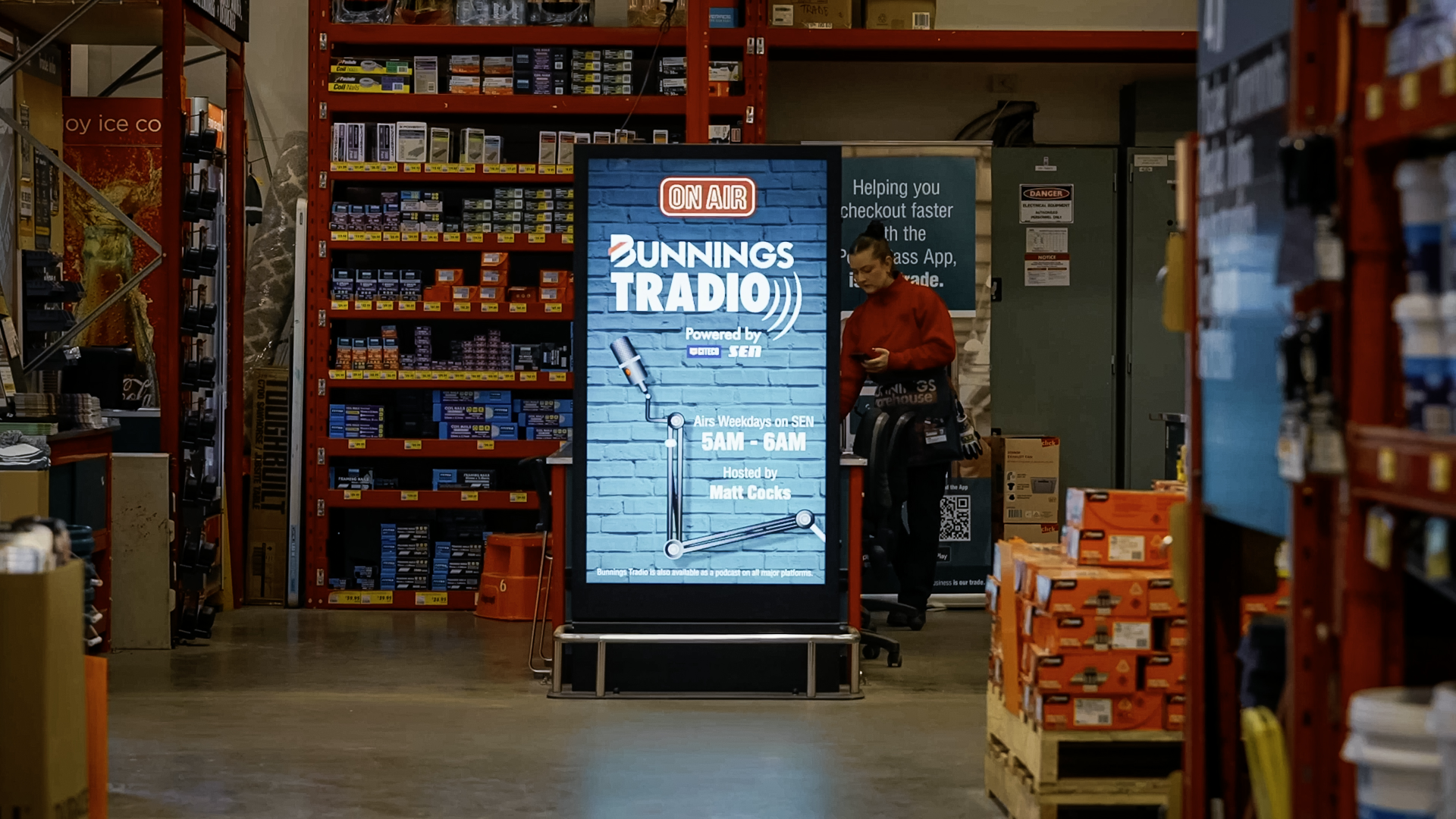
Bunnings Hammer Media shows what happens when the screen network, software and operating model are planned together. The initial deployment of 300 screens across 150 warehouses created supplier-funded inventory across the full footprint within 90 days of go-live. Those numbers matter because they show the commercial model moving from infrastructure to sellable media, quickly and at scale.
A rollout of that size needs more than screens. It needs a CMS that can manage many locations, campaign logic that media teams can sell, proof-of-play reporting that suppliers can trust and support processes that keep the network live during trading hours. onQ's role is to make those layers work together.
Programmatic vs direct sales in retail media
Retailers can sell in-store retail media directly, programmatically or through a mix of both. The best model depends on the maturity of the media business, the inventory available and the type of suppliers buying the campaigns.
Direct sales gives retailers more control over category strategy and supplier relationships. Programmatic can help improve yield, reduce manual effort and connect in-store screens to wider digital out-of-home buying. onQ CMS supports the operating requirements behind both models, including inventory definition, campaign rules and delivery reporting.
The commercial model for retailer-owned media
A retail media network should have a business case before screens are installed. The plan needs to show where inventory will sit, who will buy it, what formats will be sold, how campaigns will be trafficked and how delivery will be reported. Without that plan, a retailer risks building a content network that never becomes a media business.
onQ works with retailers to define the operating model early. We help map the screen estate to commercial inventory, identify which zones are suitable for supplier content and design the CMS structure around the way media will be sold.
The best commercial models also protect the shopper experience. Not every screen should carry paid advertising all day. Some screens should remain focused on wayfinding, service information, safety or brand storytelling. The media model needs to respect the store.
onQ as your retail media infrastructure partner
onQ brings the practical delivery pieces together: hardware, installation, CMS, reporting, support and media operations. That combination helps retailers move faster because the screen network and the media network are not treated as separate projects.
Hardware and network deployment
onQ manages site assessment, display selection, procurement, fabrication, installation and commissioning. For a multi-site network, the installation process needs clear standards so each store can be deployed consistently while still handling local conditions.
A retail media screen must be easy to service and reliable during trading hours. The mount, cable path, player location and maintenance plan all affect the media value of the inventory. onQ plans those details before rollout.
onQ CMS retail media controls
At the centre of the network is onQ CMS. The platform manages playlists, campaign timing, proof-of-play, screen status and retail media rules. It gives media teams a practical way to turn physical screens into packaged inventory.
Analytics, reporting and monetisation support
Retail media teams need reports that sales, operations and suppliers can all understand. onQ helps structure reporting around campaign delivery, screen uptime, site performance and inventory use. This gives the retailer a better base for pricing, renewals and future investment.
Reporting also helps the network improve. If a screen has low uptime, it needs service. If a zone is underused, it may need a different sales package. If a supplier category performs well, it may justify more inventory or a larger campaign footprint.
Building the retail media operating model
Retailers often start by thinking about screen hardware, but the operating model decides whether the network becomes sellable media. The team needs to define packages, pricing, campaign lead times, creative specifications, reporting cadence, make-good rules and internal responsibilities. Those details should be agreed before the first large supplier campaign is booked.
onQ helps clients connect the physical inventory to the commercial workflow. A screen at the entry may be sold differently from a screen in a category aisle. A screen near checkout may have a shorter dwell time and a different creative format. A high-impact LED wall may be used for major brand moments rather than standard weekly activity. The CMS structure should reflect those differences.
A strong operating model also defines who can change the network. Retail operations, marketing, media sales, store managers and suppliers may all have a stake in the screen estate. Clear permissions and approval rules protect the retailer from conflicting content, late campaign changes and unapproved creative going live.
Measurement and proof for supplier confidence
Supplier trust is built through delivery and reporting. At a minimum, a retail media network should be able to show which content played, which screens carried it, when it played and whether any screens were offline. That data supports post-campaign reports and helps commercial teams renew campaigns.
More advanced measurement can connect screen exposure with store context, such as location, category, trading period or sales activity. The important point is to build measurement in stages. Proof-of-play and uptime come first because they confirm the media was delivered. Audience estimates, sales context and attribution models can then add depth where the data is available and the retailer is ready to use it.
Reporting should be written for the people who buy and operate the network. A supplier wants clear evidence of delivery and value. A media sales team wants confidence for renewals. An operations team wants to know which screens need attention. A finance team wants data that supports billing. onQ structures reporting so each group can use it.
Creative standards for in-store campaigns
In-store media creative has to work quickly. Shoppers are moving, comparing products or waiting at service points. A retail media screen is not a long-form digital ad placement. The strongest creative usually uses short copy, large product visuals, high contrast, clear brand cues and a single message.
onQ can help retailers define creative rules for suppliers. Those rules may cover file format, duration, safe zones, motion intensity, legibility, claims, category restrictions and approval timing. Clear standards reduce rework and help campaigns go live on schedule.
Creative also needs to respect the store. Too many competing messages can weaken the shopping experience. A good retail media network gives suppliers access to attention without turning the store into visual noise.
Scaling from pilot to national network
Many retailers begin with a pilot group of stores or a limited number of zones. A pilot lets the team test screen placement, content formats, supplier appetite, reporting and operational workload. If the pilot proves the model, the network can scale with better standards and fewer surprises.
When a network grows, consistency becomes more important. Screen models, player locations, naming conventions, store groups and support processes need to be standardised. That does not mean every site looks identical. It means the network can be managed and sold as a coherent media product.
What retailers need before going live
A retailer should have five foundations in place before launch. The first is a defined inventory map that explains which screens can carry paid content and which screens are reserved for owned messages. The second is a campaign workflow that covers booking, creative approval, scheduling and reporting. The third is a support model that protects screen uptime. The fourth is a sales narrative that explains why the network is valuable to suppliers. The fifth is a measurement baseline that proves delivery from day one.
These foundations do not need to be complicated, but they do need to be clear. A smaller pilot can use a simple inventory map and a manual sales process. A national network needs a more formal structure. onQ scales the operating model to the maturity of the retailer, rather than forcing every client into the same process. That keeps the first launch manageable and the later rollout commercially disciplined.
Frequently Asked Questions
Retail media in Australia encompasses advertising delivered through retailer-owned channels such as digital signage, websites, apps, loyalty programs, and in-store audio. It allows suppliers to engage shoppers near the point of purchase, leveraging platforms like onQ CMS to manage content and campaigns across multi-site screen networks. This targeted approach supports effective retail marketing and audience measurement.
In-store retail media differs from digital out-of-home by being closely integrated with the retail environment and shopper context. It enables targeted campaign scheduling around product categories, promotions, and store clusters, supported by proof-of-play reporting from the screen network. This focus on the point of purchase enhances relevance and effectiveness compared to broader digital out-of-home advertising.
Yes, onQ Digital provides both the commercial screens and the proprietary onQ CMS software for retail media networks. We specify and install hardware such as ultra-brightness LCDs and fine-pitch LED signage, connect them to the CMS platform, and support ongoing network operations. Our managed services also assist with campaign delivery and optimising the operating model for multi-site screen networks.
Yes, retailers can sell both direct and programmatic campaigns within their retail media networks. Many adopt a hybrid model where strategic supplier campaigns are sold directly, while selected inventory is offered through programmatic DSPs or private marketplaces via a real-time bidding (RTB) auction engine. This approach maximises revenue opportunities while maintaining brand governance and campaign control.
Suppliers typically require detailed reporting that confirms their content played as scheduled, including specifics on where, when, and how often it was displayed. onQ CMS delivers comprehensive proof-of-play reporting, providing transparent insights into campaign performance across multi-site screen networks. This level of reporting supports accountability and optimises retail media campaign effectiveness.
The time it takes for a retail media network to become commercial depends on factors such as the number of sites, screen availability, sales model, and campaign pipeline. When deployment, software, and media operations are coordinated effectively, supplier-funded inventory can be launched rapidly, as demonstrated by Bunnings Hammer Media. Leveraging onQ Digital’s integrated approach ensures efficient rollout and commercial readiness.
Related Case Studies



Digital signage, CMS software, retail media platforms, analytics, and managed services across Australia.
© 2026 onQ Digital. All rights reserved. Website by D&n