
LED Signage Australia

Introduction
Enterprise LED Signs, LED Screens & Digital Display Solutions
LED signage has become one of the most powerful forms of modern visual communication for retailers, automotive dealerships, shopping centres, corporate environments and public-facing businesses across Australia.
LED Signage Australia
Enterprise LED Screens, Video Walls & Digital Display Solutions
onQ Digital Group designs, supplies, installs and supports premium LED signage solutions for retailers, shopping centres, automotive dealerships, corporate organisations, government agencies and public venues across Australia.
From high-resolution indoor LED video walls and transparent LED displays to large-scale outdoor digital signage and retail media networks, we deliver complete end-to-end solutions that combine world-class hardware, enterprise software and expert project delivery.
Unlike traditional static signage, LED technology enables businesses to communicate with customers through dynamic content, live information, video, motion graphics and real-time promotional campaigns. The result is a more engaging customer experience, stronger brand presence and the ability to generate measurable commercial outcomes.
Every project is backed by onQ's experienced team, providing consultation, engineering, installation, cloud-based content management, creative services and ongoing national support.

Why Businesses Choose onQ Digital
Choosing the right LED signage partner is about more than selecting quality hardware. Successful digital display networks require thoughtful design, reliable software, expert installation and long-term support.
At onQ Digital, we provide fully integrated LED signage solutions that combine premium display technology with proprietary content management software, experienced project delivery and nationwide maintenance services.
Our team has successfully delivered digital display projects for leading retailers, automotive groups, shopping centres and commercial organisations, creating engaging customer experiences that drive foot traffic, strengthen brand awareness and support retail media initiatives.
Whether deploying a single feature display or managing a national rollout, we work closely with clients to design scalable solutions that remain reliable, easy to manage and adaptable as business requirements evolve.

Why Organisations Are Investing in LED Signage
LED signage has rapidly become the preferred display technology for organisations looking to modernise physical environments and improve customer engagement.
Compared with traditional printed signage, LED displays provide unmatched flexibility, allowing content to be updated instantly across one location or an entire national network. Businesses can promote campaigns in real time, display live information, schedule content automatically and respond quickly to changing operational requirements.
Modern LED technology also delivers exceptional brightness, outstanding image quality and impressive energy efficiency, making it suitable for both indoor and outdoor applications.
For retailers, LED signage increasingly forms the foundation of retail media networks, creating new opportunities to generate advertising revenue while enhancing the in-store experience.
Common Applications for LED Signage
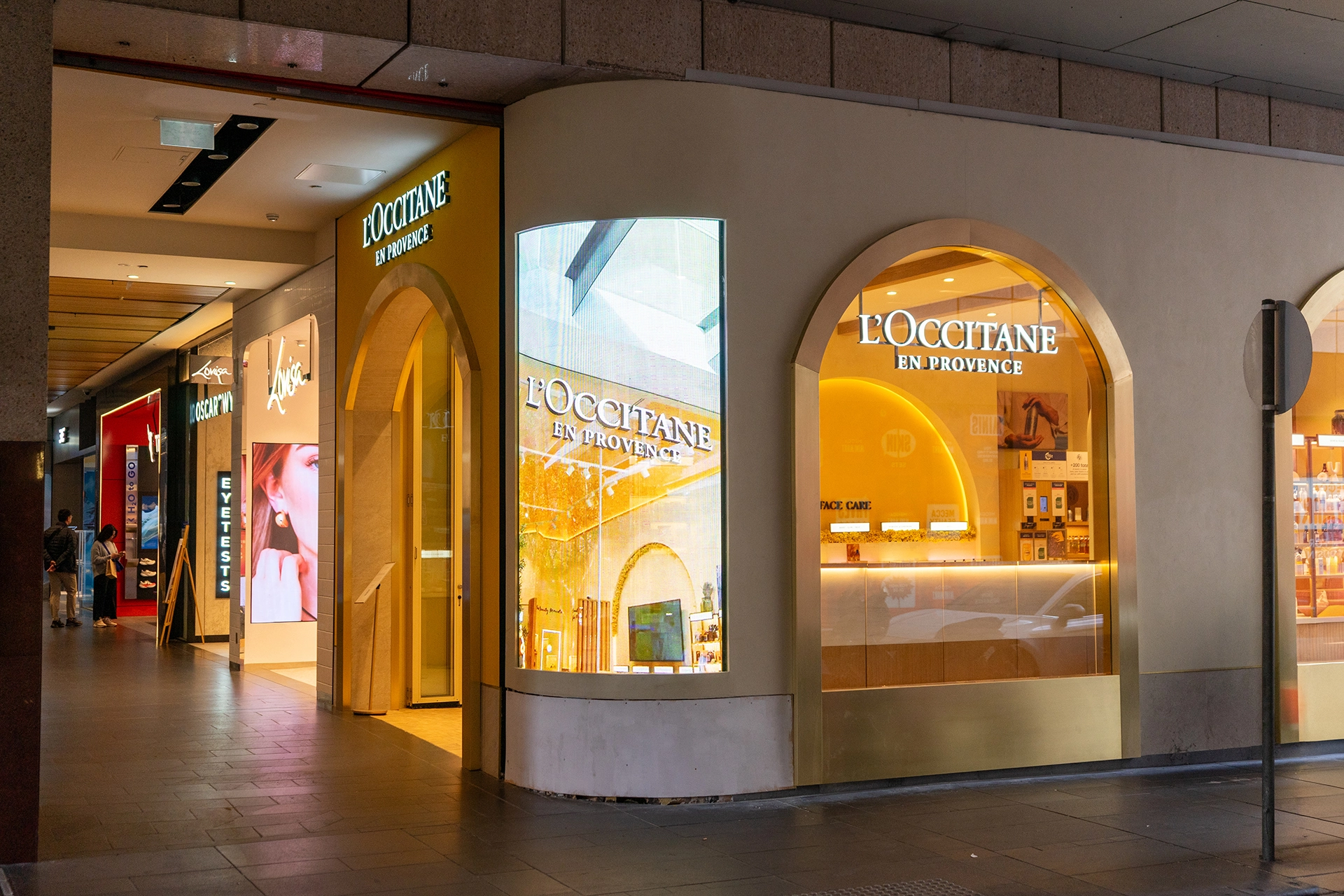
Commercial LED displays are used throughout Australia in a wide variety of applications including:
- Retail storefronts
- Shopping centre advertising
- Supermarkets
- Automotive dealerships
- Corporate lobbies
- Universities
- Airports
- Stadiums
- Hotels
- Entertainment venues
- QSR and drive-through restaurants
- Real estate agencies
- Healthcare facilities
At onQ Digital, every solution is customised to suit the client's environment, objectives and viewing requirements.
What Is LED Signage?
LED signage refers to digital display technology that uses Light Emitting Diodes (LEDs) to create high-brightness visual displays capable of delivering:
- video
- motion graphics
- advertising
- live data
- digital communications
- retail media campaigns
- real-time content
LED signage is commonly used for:
- retail stores
- shopping centres
- automotive dealerships
- stadiums
- hospitality venues
- corporate lobbies
- public spaces
- wayfinding
- experiential activations
- transport environments
Unlike traditional LCD screens, LED signage offers:
- higher brightness
- larger scalable formats
- seamless video walls
- better long-distance visibility
- flexible sizing
- premium architectural integration
LED signage is increasingly being integrated into broader retail media and enterprise communication infrastructure across Australia.
Why LED Signage Is Growing Across Australia
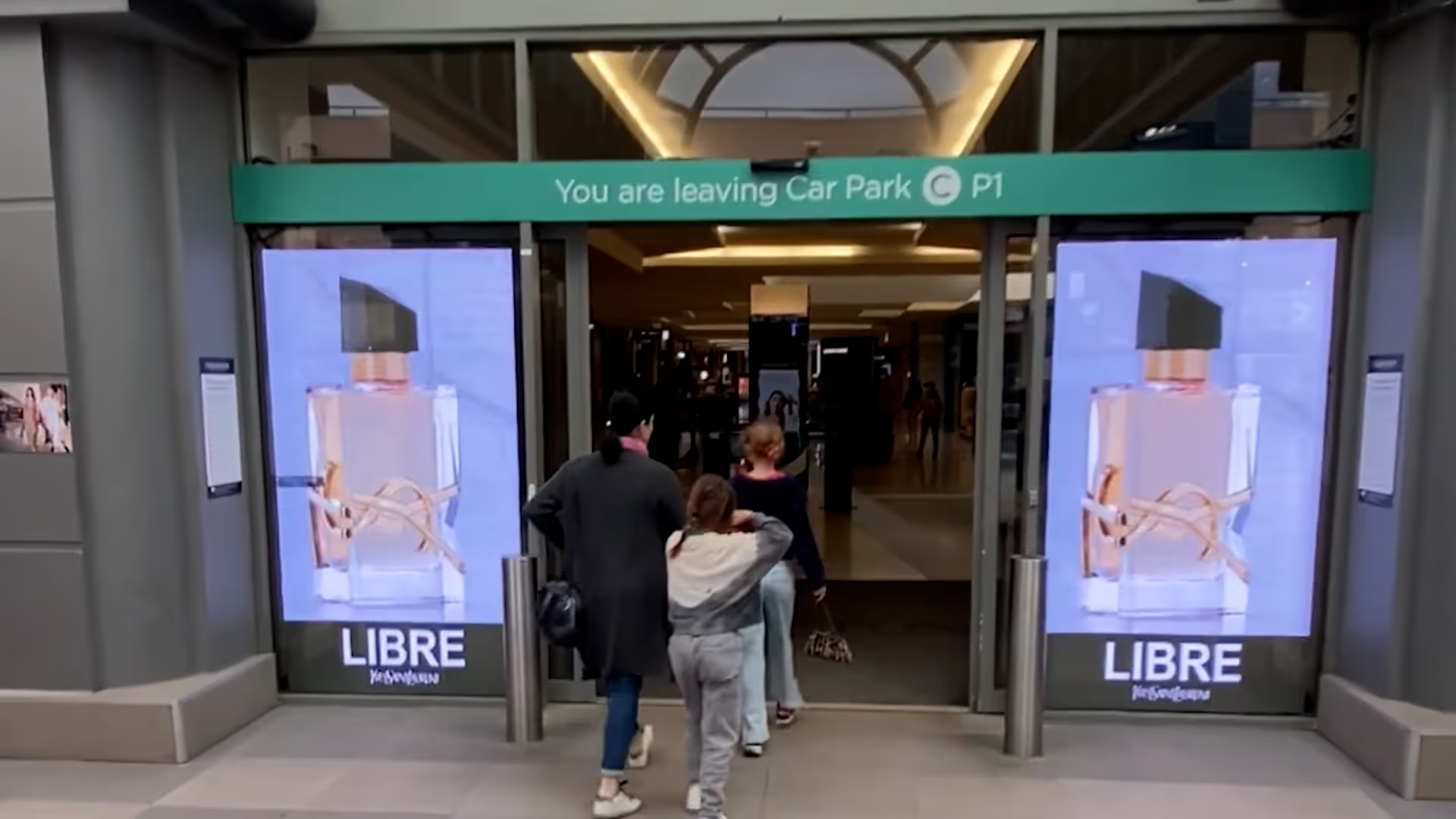
Businesses across Australia are rapidly investing in LED signage because it delivers:
- greater visual impact
- improved customer engagement
- scalable branding
- high-brightness visibility
- immersive environments
- retail media monetisation
- dynamic content flexibility
- premium architectural presentation
LED signage has evolved beyond simple advertising displays into:
- retail media infrastructure
- architectural digital experiences
- enterprise communication networks
- immersive customer engagement platforms
- data-driven advertising networks
Modern businesses increasingly use LED signage to:
- increase foot traffic
- improve brand awareness
- support supplier advertising
- modernise store environments
- create premium customer experiences
- generate advertising revenue
Retailers, automotive brands and property groups are increasingly deploying LED signage as part of integrated digital screen ecosystems powered by:
- cloud-based CMS software
- analytics
- proof-of-play reporting
- programmatic advertising capability
- retail media infrastructure
through platforms like onQ CMS.
Types of LED Signage
Indoor LED Screens
Indoor LED displays are designed for:
- retail environments
- showrooms
- corporate lobbies
- gyms
- hospitality venues
- event spaces
- shopping centres
- enterprise environments
Indoor LED signage provides:
- ultra-high resolution
- seamless presentation
- premium visual quality
- flexible sizing
- immersive customer engagement
- architectural integration
Indoor LED video walls are increasingly used for:
- flagship retail stores
- premium showrooms
- experiential retail
- control rooms
- retail media campaigns
- brand storytelling environments
.png)
Outdoor LED Signage
Outdoor LED signage is engineered for:
- daylight visibility
- weather resistance
- long viewing distances
- public-facing environments
- 24/7 operation
Outdoor LED displays are commonly used for:
- billboards
- roadside signage
- shopping centre facades
- stadium displays
- transport hubs
- large-format advertising
- venue signage
Outdoor LED signage requires careful consideration of:
- brightness
- thermal performance
- environmental exposure
- serviceability
- structural integration
- local approvals
Outdoor LED is increasingly being treated as strategic media infrastructure rather than simply digital signage hardware.
Transparent LED Screens
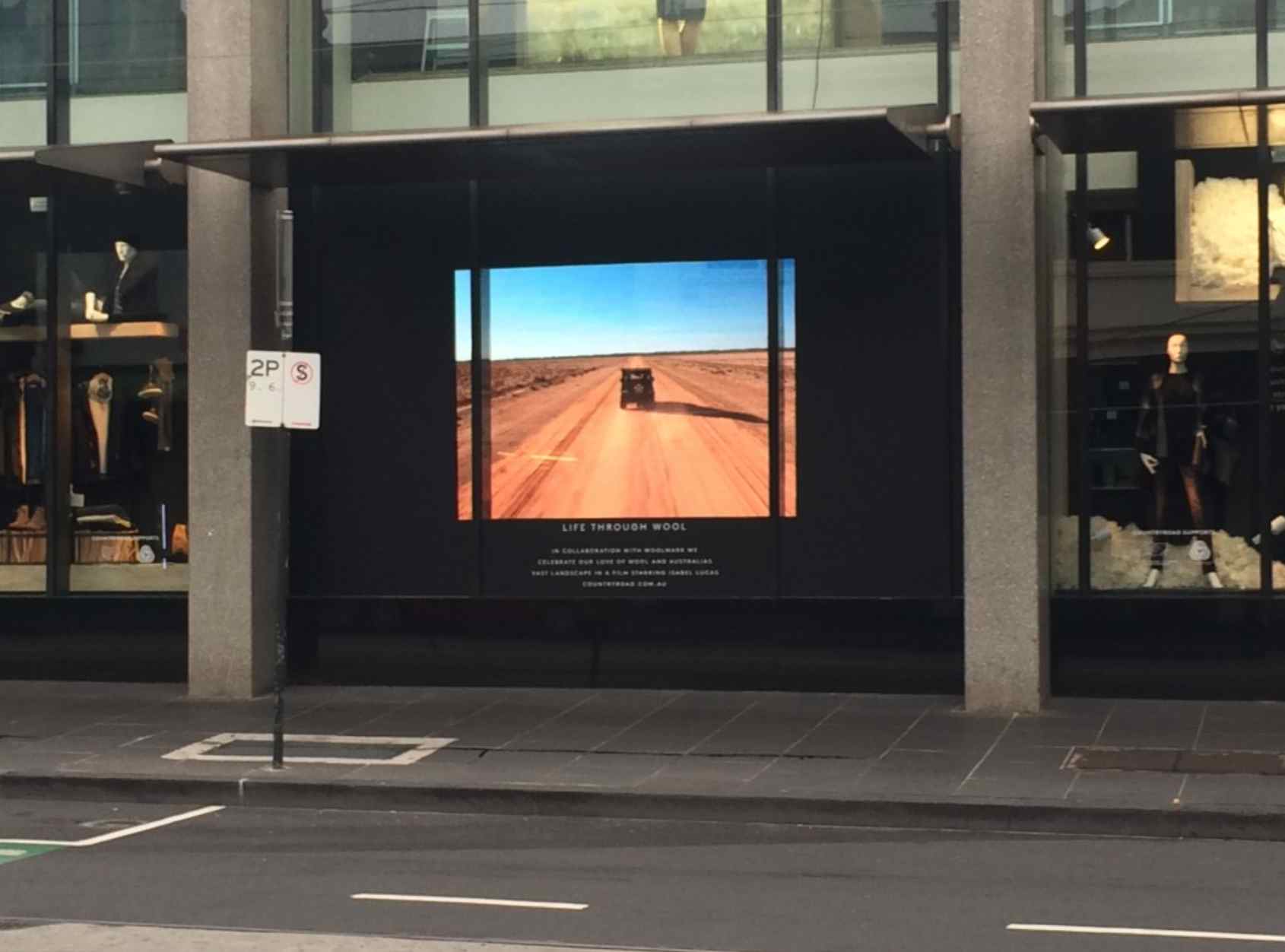
Transparent LED technology allows businesses to display digital content on glass surfaces while maintaining visibility and natural light.
Transparent LED signage is ideal for:
- retail shopfronts
- automotive showrooms
- shopping centre glazing
- architectural installations
- airport retail environments
- premium hospitality venues
Transparent LED displays combine:
- premium aesthetics
- high-brightness content
- retail media capability
- architectural integration
without blocking visibility into the environment behind the display.
Learn more:

LED Video Walls
LED video walls are one of the fastest-growing categories within enterprise LED signage.
Unlike traditional LCD video walls, LED video walls provide:
- seamless presentation
- ultra-high brightness
- flexible sizing
- premium architectural integration
- large-scale immersive experiences
- superior long-distance visibility
LED video walls are commonly deployed in:
- retail flagship stores
- shopping centres
- automotive dealerships
- corporate lobbies
- stadiums
- experiential environments
- hospitality venues
- control rooms
Modern LED video walls are increasingly integrated into:
- retail media networks
- digital brand environments
- experiential retail
- enterprise communication systems
- advertising infrastructure
Explore:

Understanding LED Pixel Pitch
Pixel pitch refers to the distance between LED pixels and directly impacts:
- image resolution
- viewing distance
- visual clarity
- screen cost
- application suitability
Smaller pixel pitch LED displays provide:
- sharper image quality
- improved close-viewing performance
- premium visual presentation
- enhanced detail
Larger pixel pitch displays typically provide:
- lower cost
- improved long-distance visibility
- suitability for outdoor environments
- larger-scale applications
Choosing the correct pixel pitch depends on:
- viewing distance
- environment
- content type
- screen size
- ambient light conditions
- budget
Premium retail and showroom LED environments increasingly utilise fine-pitch LED displays for immersive visual presentation.
LED Signage for Retail Stores
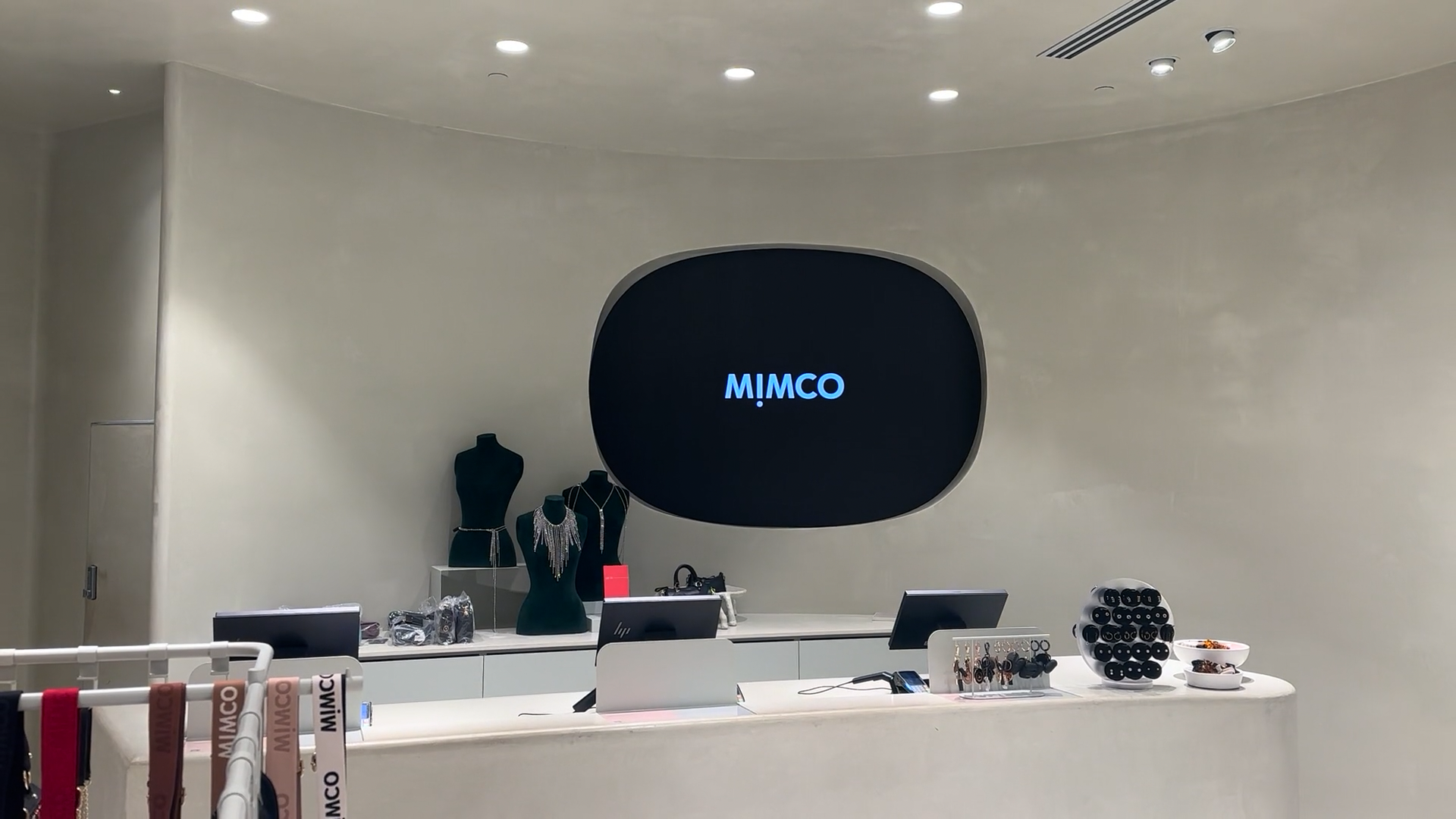
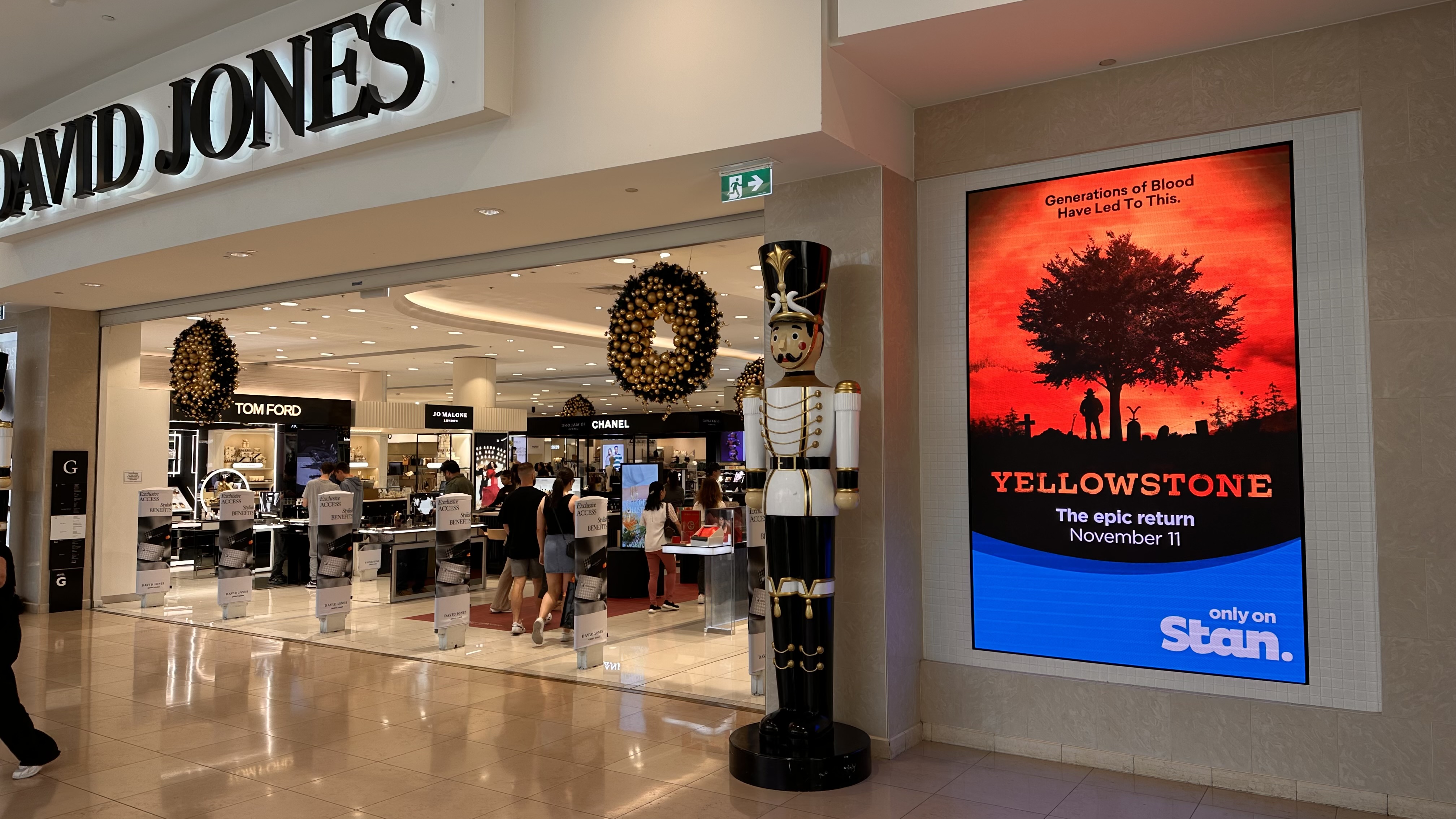
Retail is one of the fastest-growing sectors for LED signage deployment.
Retail LED signage allows businesses to:
- attract foot traffic
- promote campaigns
- support retail media advertising
- create immersive storefronts
- modernise store design
- enhance customer engagement
- improve visual merchandising
LED signage is increasingly being integrated into:
- shopping centres
- flagship retail stores
- supermarkets
- pharmacies
- electronics retailers
- fashion stores
- sporting goods retailers
Retailers are also combining LED signage with:
- proof-of-play reporting
- retail media monetisation
- supplier-funded advertising
- programmatic advertising platforms
- analytics integrations
through enterprise CMS software.
Explore:
LED Signage for Automotive Dealerships
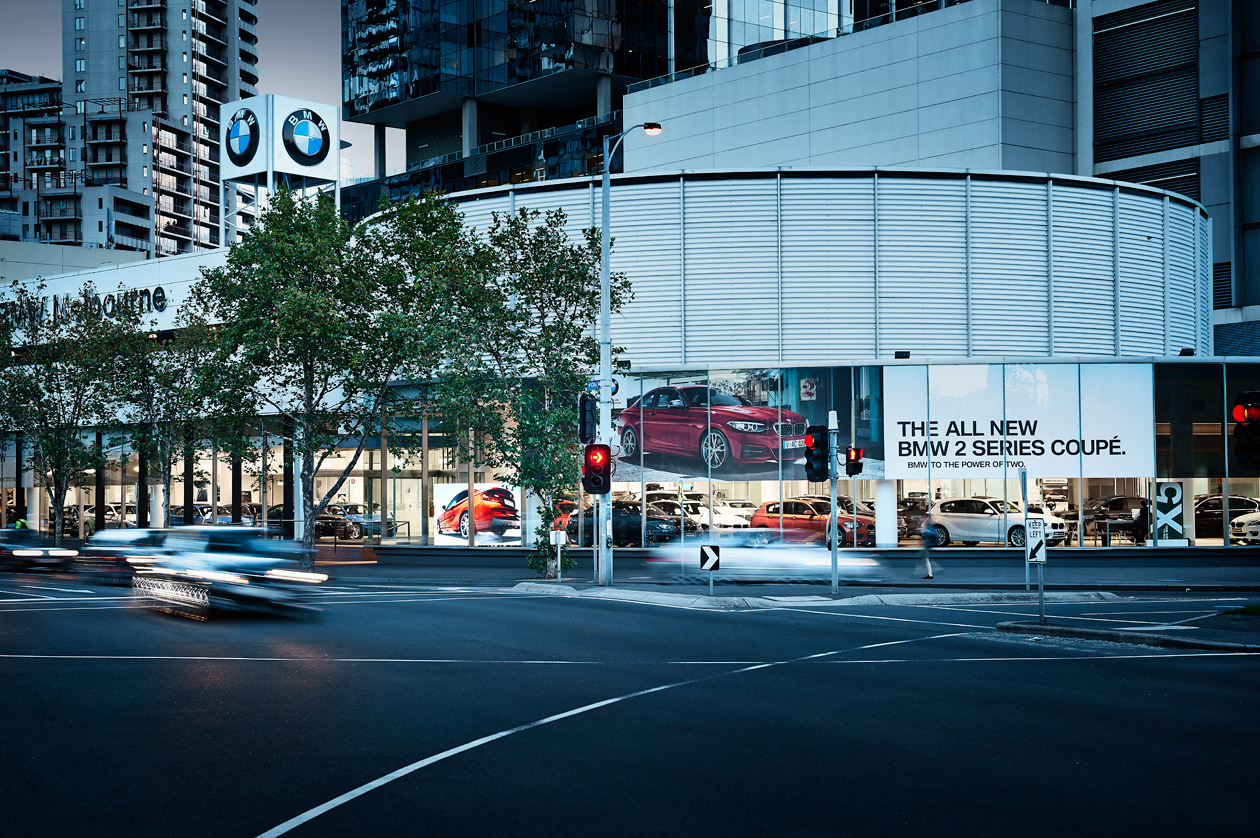
Automotive dealerships increasingly use LED signage to:
- showcase vehicle launches
- modernise showrooms
- improve street visibility
- support national campaigns
- create premium customer experiences
- improve brand presentation
LED video walls and transparent LED displays are especially popular for:
- dealership window displays
- showroom entrances
- vehicle launch activations
- customer lounges
- after-hours branding
- EV marketing campaigns
LED signage allows dealerships to create:
- immersive visual environments
- synchronised campaign experiences
- premium architectural presentation
- digital brand storytelling
Explore:

LED Signage for Corporate Environments
Corporate LED signage is commonly used for:
- reception areas
- internal communications
- KPI dashboards
- event spaces
- meeting environments
- experiential branding
- digital wayfinding
LED displays allow businesses to create:
- modern environments
- premium architectural experiences
- high-impact communication systems
- immersive corporate branding
LED Signage vs LCD Displays
While both LED and LCD technologies provide outstanding digital experiences, each serves different purposes.
| Feature | LED Displays | LCD Displays |
|---|---|---|
| Maximum Size | Unlimited modular design | Fixed panel sizes |
| Brightness | Extremely high | Moderate |
| Seamless Appearance | Yes | Bezels between panels |
| Outdoor Capability | Excellent | Limited |
| Viewing Distance | Medium to long | Close viewing |
| Retail Media Networks | Excellent | Excellent |
For feature walls, architectural installations and large retail environments, LED signage often delivers the most impactful visual experience.
.png)
Digital Signage Software for LED Screens
Modern LED signage networks require enterprise-grade CMS software capable of:
- scheduling
- synchronised playback
- remote monitoring
- proof-of-play reporting
- retail media workflows
- multi-location deployment
- analytics integration
- campaign management
onQ's Digital Signage CMS Platform provides centralised management for LED signage networks across Australia.
The platform supports:
- cloud-based content scheduling
- remote diagnostics
- advertising workflows
- multi-screen synchronisation
- campaign reporting
- network monitoring
- enterprise permissions
This allows businesses to operate LED signage as scalable communication and retail media infrastructure.
Retail Media & LED Signage
LED signage is rapidly becoming the foundation of in-store retail media networks.
Retailers and property groups are increasingly monetising LED displays through:
- supplier-funded campaigns
- programmatic advertising
- in-store media networks
- brand activations
- audience engagement campaigns
- storefront media inventory
LED signage combined with enterprise CMS platforms allows businesses to operate scalable retail media infrastructure across multiple locations.
Learn more:
LED Signage Costs in Australia
LED signage pricing in Australia varies depending on:
- pixel pitch
- screen size
- indoor vs outdoor requirements
- brightness levels
- structural requirements
- CMS integration
- installation complexity
The cost depends on factors including display size, pixel pitch, installation complexity and structural requirements. Small installations may start from several thousand dollars, while premium feature walls can represent a larger investment depending on project scope.
Businesses investing in LED signage often achieve ROI through:
- improved customer engagement
- increased foot traffic
- retail media monetisation
- supplier advertising
- premium brand presentation
Why onQ Digital Is Different
Many companies can supply an LED screen. Fewer can deliver a complete digital communications ecosystem.
onQ Digital combines display technology, enterprise software, creative services and national support into a single integrated solution. Our clients benefit from one trusted partner responsible for consultation, engineering, procurement, installation, commissioning, content management, monitoring and ongoing maintenance.
This approach reduces complexity, accelerates deployment and ensures every digital display continues to deliver value long after installation.
By combining innovative hardware with intelligent software and experienced project delivery, onQ Digital helps organisations transform LED signage from a visual asset into a strategic business platform.
Frequently Asked Questions
What is LED signage?
LED signage uses light emitting diode technology to display high-resolution digital content including video, images and animations. It is commonly used in retail, corporate and public environments to deliver engaging visual communications.
How much does LED signage cost in Australia?
The cost depends on factors including display size, pixel pitch, installation complexity and structural requirements. Small installations may start from several thousand dollars, while premium feature walls can represent a larger investment depending on project scope.
Is LED better than LCD?
For large-scale displays and high-impact visual experiences, LED technology offers greater flexibility, brightness and scalability. LCD displays remain an excellent choice for smaller applications and close viewing distances.
Can LED displays be used outdoors?
Yes. Outdoor-rated LED displays are designed for Australian conditions and provide exceptional visibility even in direct sunlight while operating reliably in challenging environments.
How long do LED displays last?
Commercial LED displays typically have an expected lifespan exceeding 100,000 hours when properly installed and maintained.

Trusted by Leading Australian Brands
onQ Digital has delivered digital display and LED signage solutions for some of Australia's most recognised organisations across retail, automotive and commercial sectors.
Our capabilities extend beyond hardware supply to include:
- Solution design and engineering
- LED display procurement
- National installation services
- Content creation and motion graphics
- Cloud-based content management
- Retail media enablement
- Preventative maintenance and support
- Long-term technology partnerships
By combining premium hardware with proprietary software and experienced project delivery, onQ Digital helps organisations deploy future-ready LED signage networks that maximise customer engagement and return on investment.
%252520(0%25253B00%25253B23%25253B38).png)
Transform Your Business with Enterprise LED Signage
Whether you're planning a flagship LED video wall, a transparent shopfront display, a nationwide retail rollout or a large-scale retail media network, onQ Digital has the expertise to deliver exceptional results.
Our experienced team will work with you from concept through to installation, software configuration and ongoing support, ensuring your investment delivers maximum impact and long-term value.
Speak with our specialists today to discover how innovative LED signage can increase customer engagement, strengthen your brand and future-proof your digital communications strategy.
Related Resources
Frequently Asked Questions
LED signage is digital display technology that uses LEDs to display dynamic content including video, graphics and advertising.
LED signage offers higher brightness, seamless display capability, larger scalable formats and better outdoor visibility compared to traditional LCD screens.
Yes. Outdoor LED signage is specifically engineered for weather resistance and daylight visibility.
LED signage is commonly used across:
- retail
- automotive
- hospitality
- shopping centres
- corporate environments
- stadiums
- public infrastructure
- education
- transport
Yes. LED signage is increasingly used for retail media advertising and supplier-funded campaigns through integrated CMS and advertising platforms.
COB LED is a display technology where LED chips are mounted directly onto a substrate.
LED pixel pitch refers to the distance between LED pixels and directly impacts image quality, viewing distance and visual clarity.
A LED video wall is a seamless large-format LED display designed for immersive visual communication and high-impact digital experiences.
Related Case Studies




Digital signage, CMS software, retail media platforms, analytics, and managed services across Australia.
© 2026 onQ Digital. All rights reserved. Website by D&n