
How to Build a Retail Media Network
A step-by-step guide to building a retail media network in Australia — strategy, physical infrastructure, CMS, programmatic SSP connectivity, commercial operations, and how to launch and grow.

Building a retail media network is a comprehensive process that refers to the strategic deployment of digital signage and advertising technology within retail environments to create monetisable media inventory. This network enables retailers to deliver targeted advertising content to shoppers in-store, enhancing customer engagement while generating incremental revenue streams. With the rise of programmatic advertising and advances in digital display technology, retail media networks have become an essential component of modern retail strategy. In this guide, we will explore the step-by-step process of building a retail media network, highlighting the critical considerations in technology selection, commercial strategy, and operational execution, with insights grounded in onQ Digital Group’s expertise in digital signage, LED display solutions, and content management.
Step 1: Define Your Network Strategy
Before investing in hardware or software, it is crucial to establish a clear network strategy. This foundational step involves defining the primary objectives of your retail media network. Are you aiming to increase customer dwell time, promote in-store offers, or generate advertising revenue? Understanding your goals will shape all subsequent decisions.
Next, determine the target scale of your network. Will it cover a single store, several locations, or a nationwide chain? This decision impacts the complexity of your technology infrastructure and content management requirements. Additionally, define your target audience by considering shopper demographics, store formats, and foot traffic patterns.
Finally, decide on the commercial model for your retail media network. Options include direct-sold advertising, programmatic advertising, or a hybrid approach. Direct-sold involves negotiating campaigns directly with advertisers, offering control but limited scalability, whereas programmatic leverages automated bidding platforms to maximise fill rates and revenue. Many successful networks combine both models to balance control and scale.
onQ Digital Group’s experience working with retail clients such as David Jones and Mitsubishi demonstrates the importance of aligning strategy with operational capability. Their consultation services can assist retailers in defining a pragmatic and scalable network strategy that suits their unique environment.
Step 2: Specify and Deploy the Physical Infrastructure
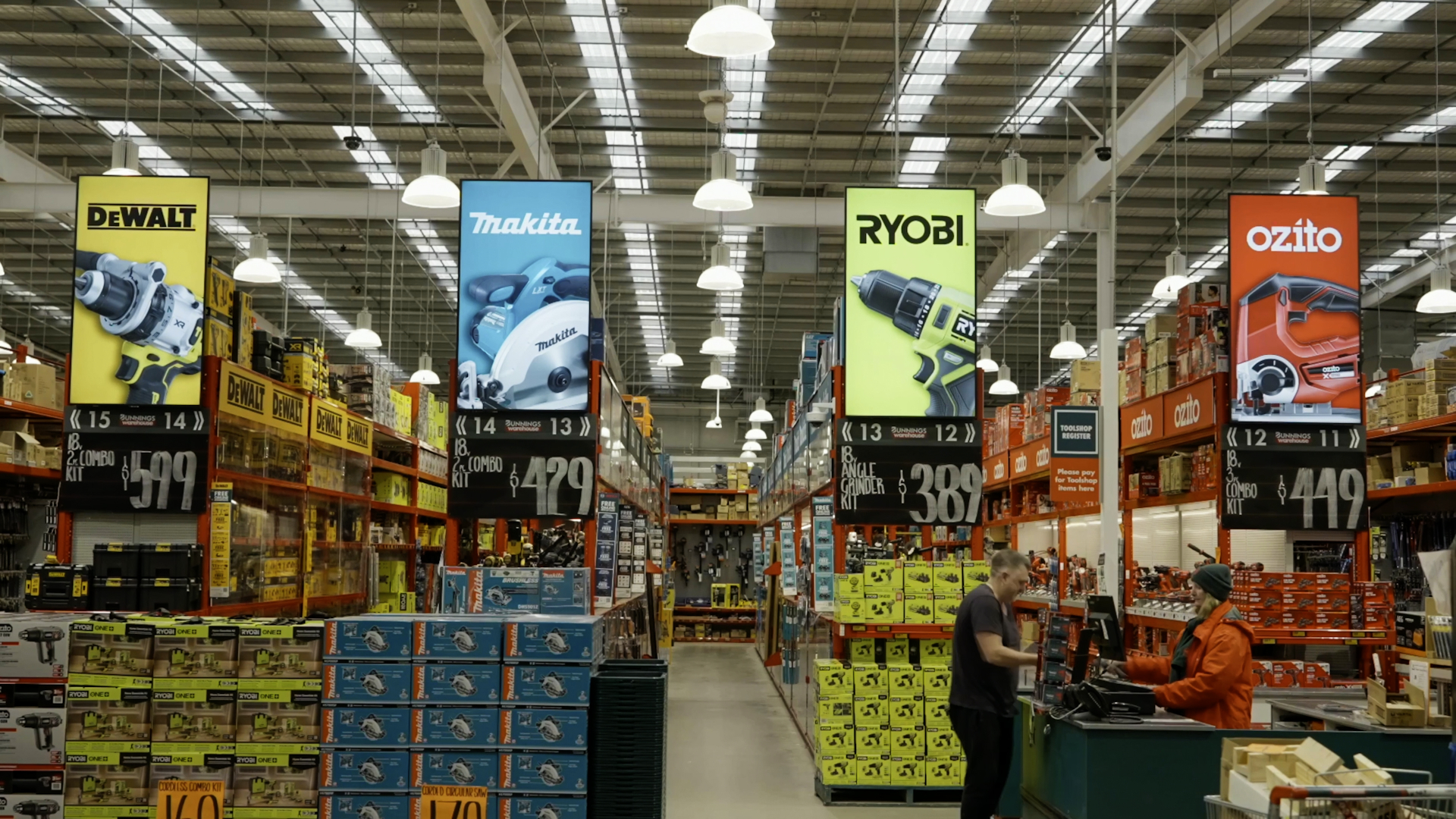
The physical infrastructure forms the backbone of any retail media network. It includes the selection and installation of digital displays, media players, network connectivity, and ancillary systems like in-store audio. Choosing the right hardware is critical to ensure reliability, visual impact, and ease of maintenance.
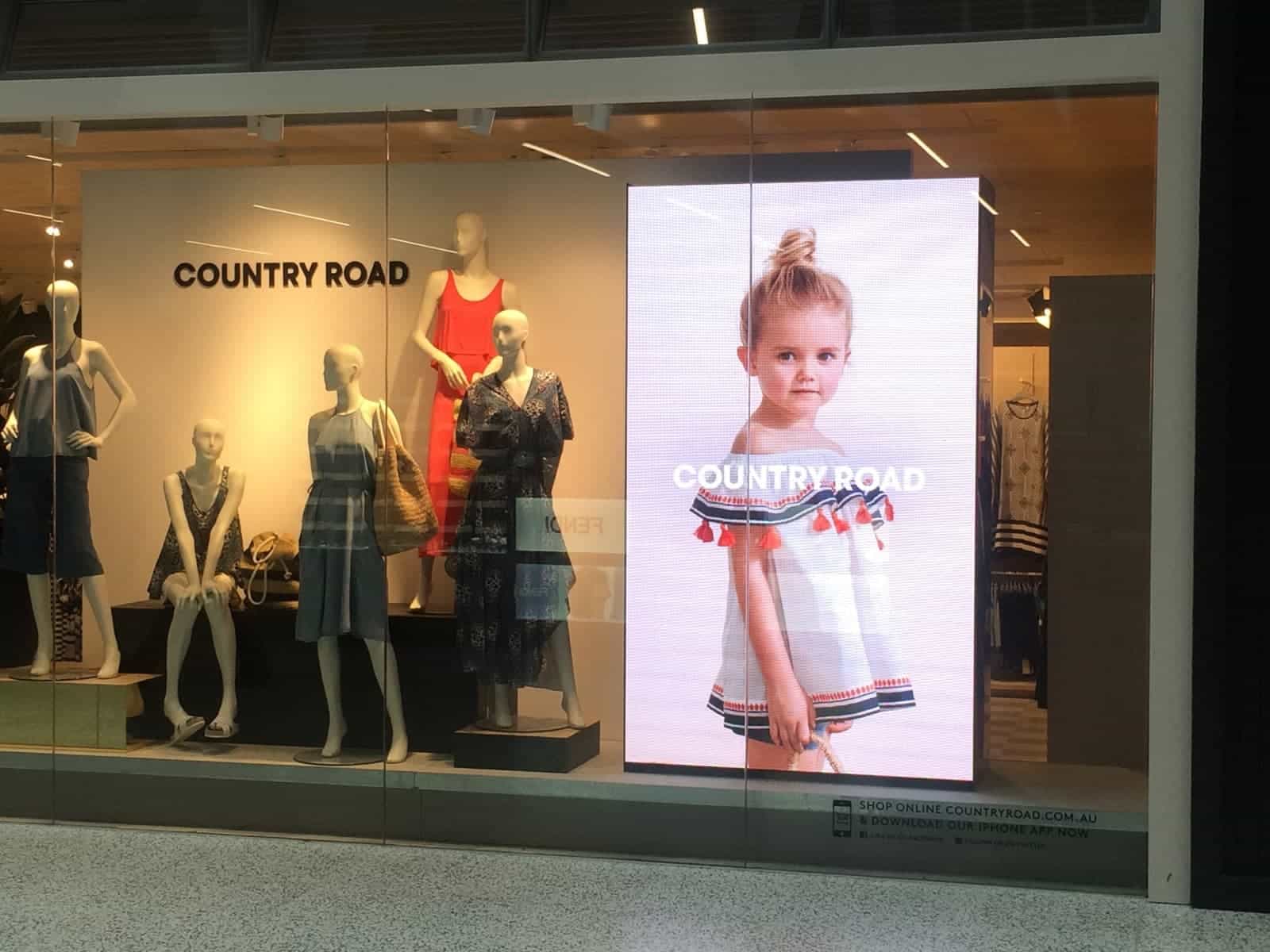
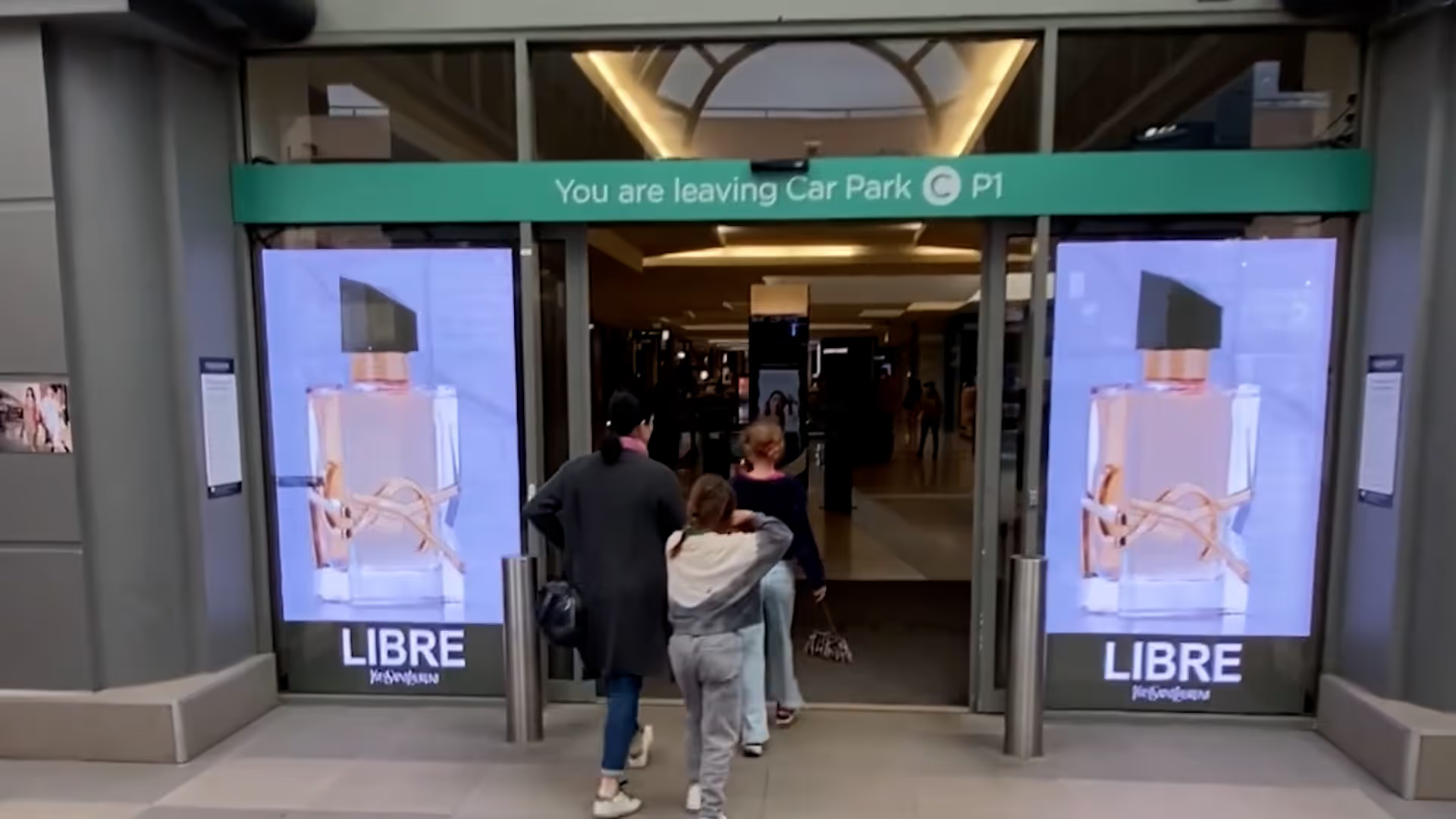
Commercial-grade screens should be prioritised over consumer-grade models. Unlike consumer displays, commercial screens are designed for continuous operation, higher brightness levels suitable for retail lighting conditions, and often include extended warranties and advanced connectivity options. onQ Digital Group provides a range of LED display solutions including LED video walls, LED MIP, freestanding LED displays, outdoor LED billboards, and transparent LED screens, all engineered for demanding retail environments.
Media players must be capable of handling high-resolution content and integrating seamlessly with the chosen content management system. Networking infrastructure should support reliable, secure, and scalable connectivity, whether wired or wireless, to facilitate real-time content updates and reporting.
Installation and deployment should be executed with minimal disruption to store operations. onQ Digital’s project management expertise ensures that hardware is specified and installed to optimise viewing angles, traffic flow, and compliance with safety standards.
Step 3: Deploy a Retail Media Content Management System (CMS)
The content management system is the operational hub of a retail media network. It controls content scheduling, multi-site management, campaign logic, proof-of-play reporting, and integration with programmatic supply-side platforms (SSPs). Selecting the right CMS is essential for efficient network operation and maximising advertising revenue.
onQ CMS is a uniquely Australian-built platform designed specifically for retail media and digital signage applications. It supports complex campaign scheduling across multiple locations, enabling retailers to deliver targeted messages based on time of day, store location, or customer demographics. The system also provides detailed proof-of-play reporting, ensuring advertisers can verify campaign delivery and engagement.
Furthermore, onQ CMS seamlessly integrates with programmatic SSPs, allowing real-time bidding on in-store impressions. This capability enables retailers to monetise leftover inventory through automated auctions, increasing fill rates and revenue without manual intervention.
Choosing a CMS should also take into account user-friendliness and support services. onQ Digital offers comprehensive training and ongoing support to empower retail teams and agency partners to manage content effectively.
Step 4: Connect to Programmatic Demand
Programmatic advertising is a game-changer for retail media networks, enabling automated, data-driven buying and selling of advertising space. Connecting your screen inventory to programmatic demand through an SSP (supply-side platform) maximises revenue potential by exposing your inventory to a wide range of advertisers bidding in real time.
onQ Digital’s SSP connects to over 35 demand-side platforms (DSPs), providing access to a broad ecosystem of advertisers seeking in-store impressions. This connectivity drives CPM (cost per thousand impressions) uplifts of between 30 to 80 per cent compared to direct-sold-only models, as the competitive bidding environment pushes prices higher.
Integrating programmatic demand requires careful configuration to maintain brand safety, campaign targeting accuracy, and compliance with privacy regulations. onQ Digital’s expertise ensures that programmatic connectivity is optimised for your retail environment, balancing automation with control.
Step 5: Build Your Commercial Infrastructure
A robust commercial infrastructure underpins the successful monetisation of a retail media network. This includes processes for advertiser onboarding, campaign management, invoicing, and reporting. Establishing clear workflows and responsibilities is essential to scale operations efficiently.
For retailers with in-house commercial teams, integrating the retail media network into existing sales and marketing workflows can streamline operations. However, many retailers lack dedicated resources for managing advertising sales and campaign delivery.
onQ Digital provides managed commercial operations as part of its full-stack service, offering expertise in advertiser acquisition, campaign optimisation, and transparent reporting. This service enables retailers to focus on core business activities while leveraging professional media sales capabilities to grow revenue.
Effective commercial infrastructure also involves establishing clear value propositions for advertisers, pricing models, and performance metrics. Transparent reporting through the onQ CMS supports advertiser confidence and repeat business.
Step 6: Launch and Grow Your Retail Media Network
The launch phase should focus on securing a defined set of anchor advertisers who demonstrate the value of your retail media network. These initial campaigns serve as proof points for the network’s effectiveness and build momentum for future sales.
Marketing the network internally and externally is essential to attract new advertisers and expand reach. Highlighting unique capabilities such as targeted content delivery, programmatic access, and detailed reporting can differentiate your offering.
Growth involves adding more screens and locations, increasing programmatic fill rates through ongoing SSP optimisation, and enhancing content strategies to maintain shopper engagement. onQ Digital’s ongoing support services include network optimisation and content strategy advice, ensuring your retail media network continues to evolve with market trends.
Retailers can also explore innovative digital signage formats such as transparent LED displays and outdoor LED billboards to extend their media footprint beyond traditional in-store screens. onQ Digital’s expertise across these technologies enables seamless network expansion across diverse retail environments.
Frequently Asked Questions

What is the difference between direct-sold and programmatic retail media advertising?
Direct-sold advertising involves negotiating campaigns directly with advertisers or agencies, offering control over content and pricing but limited scalability. Programmatic advertising uses automated platforms where ad space is bought and sold in real time through auctions, enabling higher fill rates and potentially greater revenue. Many retail media networks use a hybrid model to leverage the benefits of both approaches.
Why are commercial-grade displays necessary for retail media networks?
Commercial-grade displays are designed for continuous operation in demanding environments, offering higher brightness to remain visible under retail lighting, longer warranties, and enhanced durability. Consumer-grade screens are not built for these conditions and may fail prematurely or provide suboptimal visual quality, undermining the effectiveness of your retail media network.
How does onQ CMS support multi-site retail media management?
onQ CMS allows centralised control over content scheduling, campaign targeting, and reporting across multiple store locations. This enables retailers to deliver tailored messages based on location-specific factors and manage campaigns efficiently from a single platform, reducing operational complexity and improving campaign effectiveness.

What are the benefits of connecting a retail media network to an SSP?
Connecting to an SSP exposes your inventory to a broad range of programmatic buyers, increasing competition and driving higher CPMs. It automates the selling process, improves fill rates for unsold inventory, and provides access to advanced targeting and reporting capabilities. This integration maximises revenue potential while maintaining control over inventory and brand safety.
Can onQ Digital support retailers without in-house commercial teams?
Yes, onQ Digital offers managed commercial operations as part of its full-stack service. This includes advertiser onboarding, campaign management, optimisation, and reporting, enabling retailers to monetise their retail media networks effectively without needing dedicated internal sales teams.
Contact onQ Digital Group for Expert Retail Media Network Support
Building a successful retail media network requires a strategic approach that balances technology, commercial strategy, and operational excellence. onQ Digital Group brings extensive experience in digital signage, LED display solutions, content management through onQ CMS, and programmatic advertising integration to support retailers at every stage of their retail media journey.
Whether you are starting from scratch or looking to optimise an existing network, onQ Digital can provide tailored advice, project management, and ongoing support to ensure your retail media network delivers maximum impact and revenue. Contact onQ Digital Group today to discuss your retail media ambitions and explore how their expertise can help you achieve your goals.
Enjoy our insights? Add onQ Digital as a preferred source on Google to see more of our content in your search results.
Commonly asked Questions
Building a retail media network generally takes between three to six months from initial scoping to campaign launch. This timeframe includes hardware procurement and installation, CMS configuration, integration with programmatic DSPs, advertiser onboarding, and campaign activation. onQ Digital manages the entire process end-to-end, having successfully deployed multi-site retail media networks across hundreds of locations within tight campaign windows.
The cost to build a retail media network depends on the number of screens, hardware specifications, installation complexity, and software and managed services needs. A single-site pilot project can start from tens of thousands of dollars, while a full-scale national rollout with onQ CMS integration and ongoing managed services is custom priced. onQ Digital works closely with clients to deliver detailed, scoped proposals aligned with their network goals.


Ready to start a conversation?
Speak with our team about digital signage, CMS software, or retail media infrastructure. We’ll help you scope, design, and deploy the right solution.

Digital signage, CMS software, retail media platforms, analytics, and managed services across Australia.
© 2026 onQ Digital. All rights reserved. Website by D&n