
Indoor vs Outdoor Digital Signage: Key Differences and Buying Guide
Choosing between indoor and outdoor digital signage requires a deep understanding of their distinct characteristics and environmental demands. This guide explores the critical differences, offering essential insights for Australian businesses.

Indoor vs outdoor digital signage refers to the fundamental distinction between digital display solutions designed for controlled interior environments and those engineered to operate reliably in exposed, often harsh external conditions. This distinction influences numerous factors such as brightness, durability, weather resistance, and maintenance requirements, all of which are crucial for Australian businesses seeking to implement effective digital signage that meets environmental demands, audience expectations, and long-term operational goals. This article delves deeply into the key technical and practical differences between indoor and outdoor digital signage, providing a comprehensive buying guide to help organisations select the right solution for their specific needs.
The Fundamental Divide: Indoor and Outdoor Digital Signage Explained
Digital signage can broadly be categorised based on its intended installation environment: indoor or outdoor. Indoor digital signage is purpose-built for locations such as retail stores, corporate offices, hospitality venues, healthcare facilities, education centres, and other climate-controlled interiors. These environments offer relatively stable conditions with minimal exposure to dust, moisture, and extreme temperature fluctuations. Indoor displays prioritise high resolution, aesthetic integration, and interactive capabilities, optimised for close-range viewing where customers or employees engage directly with the content.
Examples include digital menu boards in quick-service restaurants, interactive directories in shopping centres, and corporate communication screens in office lobbies. These displays allow businesses to enhance customer experience, streamline communication, and reinforce branding in a visually appealing manner.
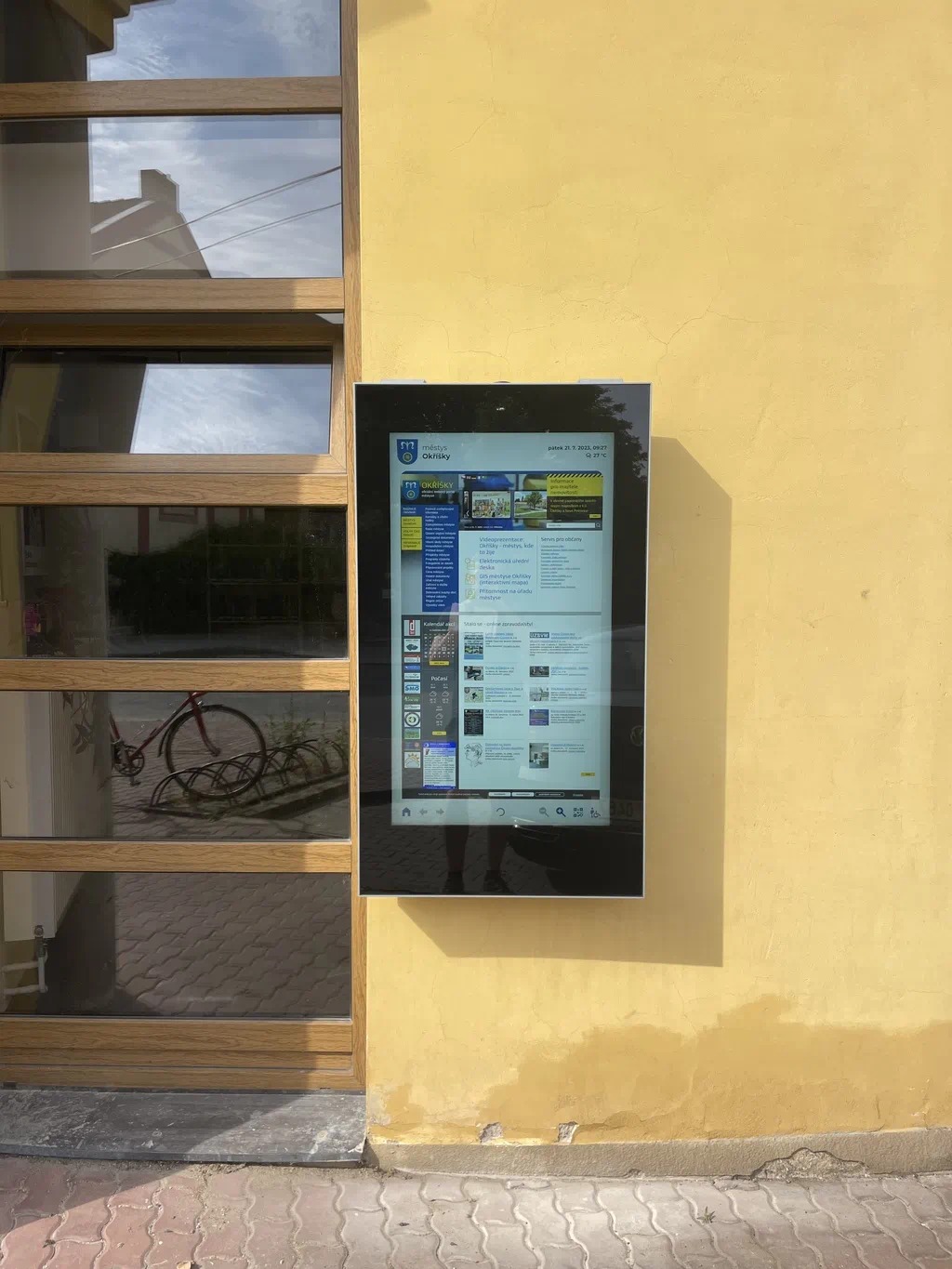
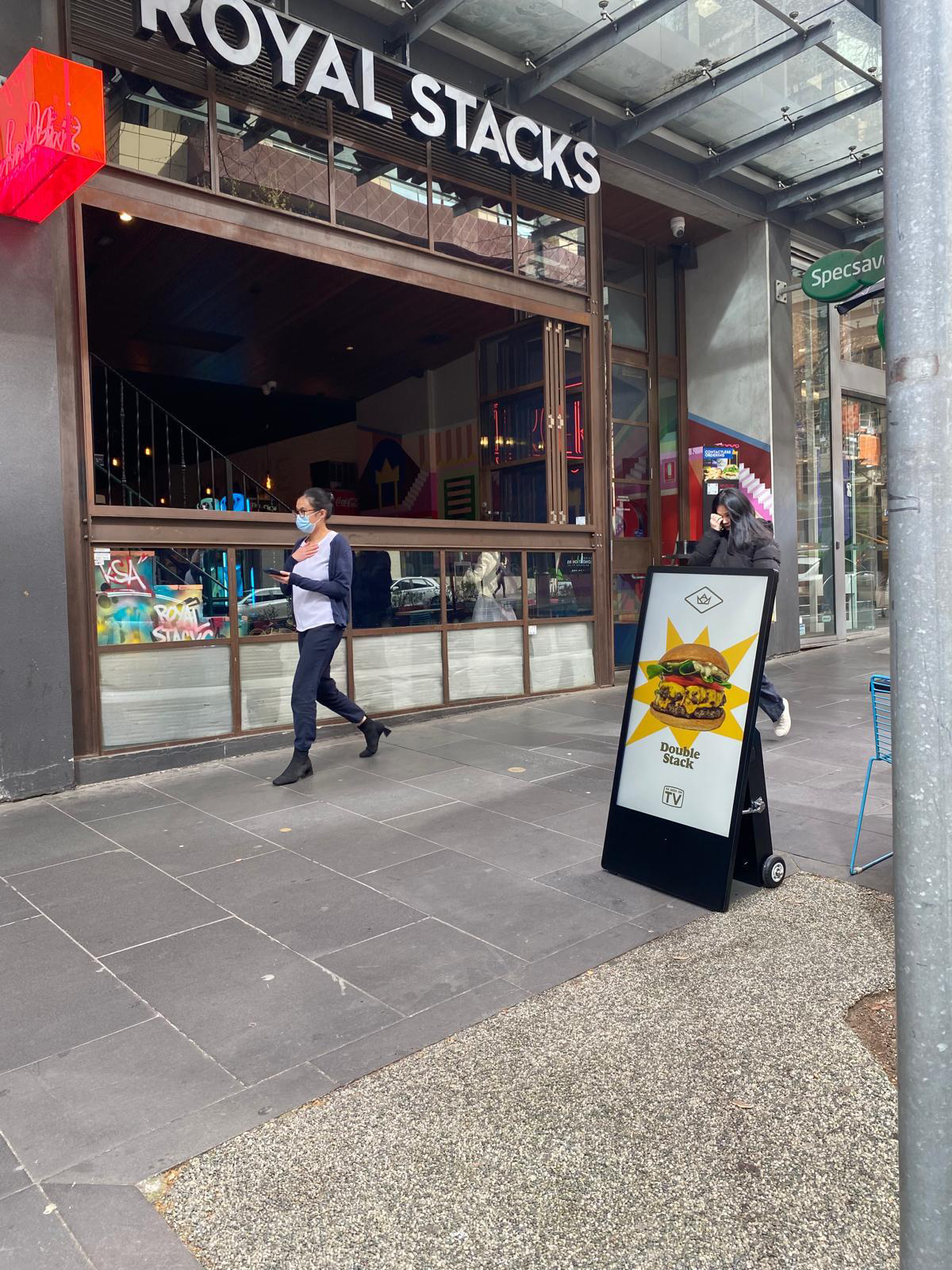
Conversely, outdoor digital signage is engineered to withstand the rigours of external environments. This includes exposure to direct sunlight, rain, wind, dust, salt spray in coastal regions, and significant temperature variations. Outdoor displays must maintain high visibility and durability while operating continuously in public or semi-public spaces such as shopping precincts, transport hubs, stadiums, and roadside billboards. Their construction involves specialised materials and engineering to ensure longevity and performance despite demanding weather conditions.
Outdoor signage solutions are commonly used for advertising campaigns, wayfinding, event promotions, and safety messaging. They require robust protection against environmental hazards, vandalism, and tampering, making their design and maintenance more complex and costly than indoor alternatives.
Brightness and Visibility: Ensuring Clear Messaging in Any Environment
One of the most critical differences between indoor and outdoor digital signage is brightness, measured in nits (candelas per square metre). Indoor displays typically have brightness levels ranging from 300 to 700 nits, which is sufficient for environments with controlled lighting. This range ensures vibrant images and clear text without causing glare or visual discomfort in most interior settings.
In contrast, outdoor displays require significantly higher brightness to remain legible under direct sunlight and varying weather conditions. Brightness ratings for outdoor signage often start at 2,500 nits and can exceed 5,000 nits. Given Australia’s intense UV exposure and bright sunshine, investing in high-brightness displays is not optional but essential. For instance, digital signage installed on north- or west-facing facades should have a minimum brightness of 3,000 nits to ensure content remains readable throughout the day, even in full sun.
In addition to brightness, other visibility factors include anti-glare coatings, screen resolution, and viewing angles. Outdoor displays often incorporate specialised optical treatments to reduce reflections and improve contrast, ensuring messages remain clear from multiple vantage points and distances.
onQ Digital Group’s expertise in delivering LED signage solutions includes advising clients on appropriate brightness levels tailored to their location and ambient lighting conditions. Whether deploying LED video walls in retail precincts or outdoor LED billboards for automotive advertising, ensuring optimal visibility is key to maximising audience engagement and return on investment.
Durability and IP Ratings: Protecting Your Investment Against the Elements
Durability is another defining factor that separates indoor from outdoor digital signage. Indoor screens generally do not require an Ingress Protection (IP) rating because they are shielded from dust, moisture, and physical damage. Their design focuses more on aesthetics, resolution, and interactive capabilities rather than ruggedness.
Outdoor digital signage must meet rigorous IP standards to resist environmental threats. Common IP ratings for outdoor displays include IP54, IP56, and IP65. These ratings indicate the level of protection against dust ingress and water jets, ensuring the hardware remains operational during rain, dust storms, or cleaning. For example, an IP65 rating guarantees that the enclosure is dust-tight and protected against low-pressure water jets from any direction.
Additionally, vandal resistance is often necessary for public-facing installations. Features such as tempered or laminated glass, reinforced aluminium or steel casings, tamper-proof screws, and secure mounting hardware help safeguard outdoor displays from accidental damage or intentional tampering. This is especially important in high-traffic or unsupervised locations.
onQ Digital Group’s deployment teams consider these durability factors when recommending solutions for retail media campaigns or corporate outdoor branding. Their experience with LED freestanding displays and transparent LED installations ensures clients receive products tailored to withstand Australia’s unique environmental challenges, including coastal salt corrosion and inland dust exposure.
Temperature and Australian Climate Considerations
Temperature tolerance is a critical specification influencing the choice between indoor and outdoor digital signage. Indoor screens are typically rated to operate within a temperature range of 0°C to 40°C, suitable for climate-controlled interiors.
Outdoor displays must endure a far wider temperature spectrum, often from -30°C to +50°C or more. To achieve this, manufacturers incorporate advanced thermal management systems such as cooling fans, heating elements, heat sinks, and intelligent sensors that regulate internal temperatures and prevent overheating or freezing. These features are vital in Australia, where heatwaves, coastal humidity, dust storms, and cold nights can place severe stress on electronic equipment.
For example, in northern Australia, high humidity combined with heat requires corrosion-resistant materials and effective moisture barriers, while in southern regions, winter cold may necessitate heating elements to maintain operational functionality.
onQ Digital Group’s expertise extends to selecting and maintaining digital signage hardware that remains reliable across Australia’s diverse climate zones. Their ongoing support and network optimisation services ensure outdoor displays continue to perform optimally year-round, minimising downtime and maintenance costs.
Installation and Placement Considerations
Installation requirements differ significantly between indoor and outdoor digital signage. Indoor signage installations often benefit from existing power and network infrastructure, straightforward mounting options such as wall mounts or ceiling suspensions, and easier access for maintenance.
Outdoor signage installations demand more complex planning, including weatherproof power supplies, secure mounting on robust structures, consideration of sightlines and pedestrian or vehicular traffic flow, and compliance with local council regulations. Structural engineers may be involved to ensure safe mounting in high-wind zones or earthquake-prone areas.
Additionally, outdoor signage may require permits and adherence to lighting ordinances to prevent light pollution or distraction to drivers. On top of that, cable management and protection from wildlife or vandalism must be factored into the installation strategy.
onQ Digital Group’s project management team guides clients through these considerations, ensuring installations meet regulatory requirements and are optimised for maximum audience impact and operational reliability.
Cost and Return on Investment (ROI)
Cost is often a decisive factor in digital signage procurement. Outdoor digital signage generally requires a higher initial investment due to the need for specialised materials, high brightness components, advanced weatherproofing, and robust construction. These factors increase manufacturing, installation, and maintenance expenses.
Despite the higher upfront cost, the potential ROI from outdoor signage can be substantial. Outdoor displays capture attention in high-traffic public areas 24/7, making them ideal for sectors such as retail, automotive, hospitality, entertainment, and quick-service restaurants (QSR). For example, more than half of QSR revenue often comes from drive-thru lanes, where clear, high-brightness outdoor digital signage can significantly influence purchasing decisions by displaying dynamic menus, promotions, and upsell offers.
The ability to update content dynamically through digital signage software and platforms like onQ CMS further enhances the effectiveness of outdoor campaigns by allowing timely, location-specific messaging, seasonal promotions, or emergency notifications.
Indoor digital signage solutions are more cost-effective upfront and suit internal communications, in-store promotions, and interactive experiences within controlled environments. Their ROI is realised through improved customer engagement, brand reinforcement, streamlined messaging, and enhanced employee communication within retail or corporate settings.
onQ Digital Group’s consultative approach helps clients balance budget constraints with strategic goals, recommending solutions that maximise ROI through targeted content, appropriate hardware selection, and efficient network management.
.avif)
Content Management and Software Integration
Effective digital signage extends beyond hardware to include content management and software integration. Indoor and outdoor signage both benefit from centralised content management systems (CMS) that enable remote scheduling, updating, and monitoring of displays.
onQ Digital Group offers onQ CMS, a robust platform that supports dynamic content delivery across multiple screens and locations. The software allows users to tailor content based on time of day, audience demographics, weather conditions, or special events, enhancing the relevance and impact of messaging.
For outdoor signage, software can integrate environmental sensors to adjust brightness automatically or trigger specific content during adverse weather. For indoor signage, interactive features such as touchscreens or QR code integration enable personalised customer experiences.
Seamless integration with existing business systems such as point-of-sale, inventory management, or social media feeds further enhances the value of digital signage networks, enabling real-time updates and data-driven campaigns.
Maintenance and Longevity: Ensuring Sustainable Performance
Maintenance considerations differ significantly between indoor and outdoor digital signage. Outdoor displays require more frequent and comprehensive maintenance due to exposure to weather, dust, pollution, and potential vandalism. Regular tasks include cleaning screens and enclosures, inspecting and servicing thermal management systems, checking for water ingress, and performing hardware diagnostics.
Indoor signage typically requires less intensive upkeep, focusing mainly on software updates, occasional cleaning, and periodic hardware checks. However, even indoor systems benefit from proactive maintenance to ensure longevity and optimal performance.
onQ Digital Group provides tailored support and maintenance packages that encompass preventive care, emergency repairs, and remote monitoring. Their nationwide service network ensures rapid response times and minimal disruption, helping clients protect their investment and maintain continuous operation.
Making the Right Choice: Indoor or Outdoor Digital Signage?
Choosing between indoor and outdoor digital signage depends on several factors, including the installation environment, audience engagement goals, budget, and expected lifespan.
For internal communications, retail media campaigns inside stores, or interactive digital experiences, indoor signage provides a cost-effective and visually appealing solution. It allows businesses to deliver targeted messaging in a controlled setting, enhancing customer experience and employee engagement.
When the objective is to capture attention in public spaces, withstand Australia’s demanding climate, and deliver impactful outdoor messaging, outdoor digital signage is the unequivocal choice. Despite higher costs, the enhanced durability, brightness, and weatherproofing ensure reliable performance and maximised audience reach.
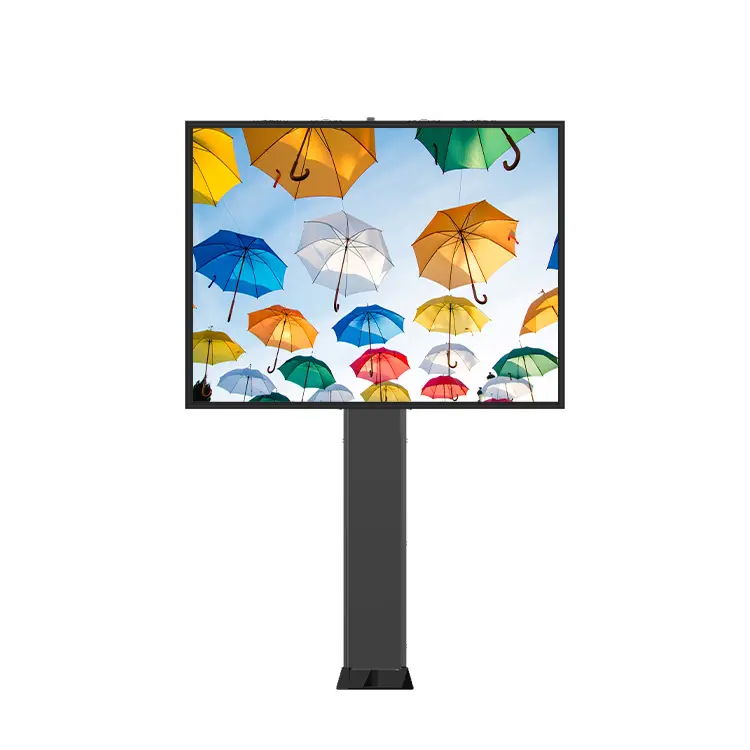
onQ Digital Group offers end-to-end expertise in digital signage strategy, from initial consultation and content management through onQ CMS to installation, ongoing support, and network optimisation. Their portfolio includes LED video wall solutions, outdoor LED billboards, transparent LED displays, and freestanding LED signage tailored to various sectors including retail, corporate, automotive, hospitality, and entertainment.
Frequently Asked Questions (FAQs)
What are the key technical differences between indoor and outdoor digital signage?
The primary technical differences include brightness levels, durability, IP ratings, and temperature tolerance. Indoor signage typically has lower brightness (300-700 nits), no IP rating, and operates within moderate temperature ranges. Outdoor signage requires high brightness (2,500+ nits), robust IP-rated enclosures to resist dust and water, and advanced thermal management systems to cope with extreme temperatures.
Can indoor digital signage be used outdoors if protected by a shelter or enclosure?
While sheltering indoor displays might provide some protection, it is generally not recommended because indoor screens lack the necessary brightness and weatherproofing to function reliably outdoors. Exposure to sunlight can cause visibility issues due to insufficient brightness and glare, and moisture or dust can damage non-IP-rated hardware. It is best to use purpose-built outdoor digital signage for external applications to ensure longevity and performance.
How does onQ Digital Group support businesses in choosing the right digital signage?
onQ Digital Group offers comprehensive consultation services that assess client needs, environmental conditions, and budget constraints. They recommend suitable LED signage solutions, including LED video walls, freestanding displays, and transparent LED installations, and provide content management through onQ CMS. Their expertise ensures seamless deployment, ongoing maintenance, and network optimisation tailored to each client’s sector and objectives.
What maintenance considerations differ between indoor and outdoor digital signage?
Outdoor digital signage requires more frequent maintenance due to exposure to weather, dust, and potential vandalism. This includes cleaning, hardware inspections, and thermal system checks. Indoor signage typically requires less intensive upkeep, focusing mainly on software updates and occasional cleaning. onQ Digital Group provides support services to manage both indoor and outdoor signage networks effectively, ensuring maximum uptime and performance.
Is high brightness the only factor to consider for outdoor digital signage visibility?
No, while high brightness is crucial, other factors such as screen resolution, anti-glare coatings, viewing angle, and content design also affect visibility and legibility. onQ Digital Group’s digital signage strategy includes optimising these factors to maximise audience engagement and ensure messages are clearly communicated in varying outdoor conditions.
Contact onQ Digital Group for Expert Digital Signage Advice and Support
Choosing the right digital signage solution is critical to achieving effective communication and maximising return on investment. Whether you require indoor LED video walls for corporate environments or rugged outdoor LED billboards for retail media campaigns, onQ Digital Group offers expert guidance throughout every stage of your project. Their specialist knowledge in digital signage software, content management via onQ CMS, and network optimisation ensures your digital signage network operates smoothly and delivers impactful results.
Contact onQ Digital Group today to discuss your digital signage needs, explore tailored solutions, and benefit from industry-leading deployment and support services across Australia’s retail, corporate, automotive, hospitality, and entertainment sectors.
Enjoy our insights? Add onQ Digital as a preferred source on Google to see more of our content in your search results.


Ready to start a conversation?
Speak with our team about digital signage, CMS software, or retail media infrastructure. We’ll help you scope, design, and deploy the right solution.

Digital signage, CMS software, retail media platforms, analytics, and managed services across Australia.
© 2026 onQ Digital. All rights reserved. Website by D&n