
In-Store Audio: Why Sound Is the Most Underrated Retail Marketing Tool
In the competitive Australian retail landscape, businesses often overlook the profound impact of in-store audio. This article explores how strategic sound design can significantly influence customer behaviour, from increasing dwell time to enhancing purchase intent.

In-store audio is the strategic use of sound within retail environments to influence customer behaviour, enhance brand experience, and ultimately drive sales. While visual elements like digital signage and LED displays often dominate retail marketing discussions, sound remains a powerful yet underrated tool that engages shoppers on a subconscious level. By integrating carefully curated audio with digital signage and content management platforms such as onQ CMS, retailers can create immersive environments that boost dwell time, improve mood, and increase purchase intent.
The Unseen Influence of Sound in Retail
Sound in retail is more than just background noise; it is a subtle but effective sensory cue that shapes how customers perceive a store and its products. While shoppers consciously respond to visual merchandising, auditory stimuli bypass conscious processing and influence emotions and behaviour beneath the surface. Research consistently shows that appropriate in-store music can extend the time customers spend browsing by as much as 34%, while also increasing sales by over 17% in certain retail settings.
The impact of sound is multifaceted. Music tempo, genre, volume, and lyrical content all affect mood and decision-making. For example, upbeat, fast-paced music can create a sense of urgency, encouraging shoppers to move quickly and make impulse purchases. Conversely, slower tempos promote relaxation, encouraging customers to linger and explore more thoroughly. These effects make sound a critical component of retail media strategies, complementing visual elements such as LED video walls and digital signage software to create cohesive brand experiences.
onQ Digital Group’s expertise in digital signage and content management can help retailers harness this unseen influence by integrating audio with LED signage solutions and digital content. Whether deploying LED MIP displays or transparent LED screens, combining visual and auditory stimuli ensures customers receive a consistent and engaging sensory experience.
The Psychology of In-Store Audio
Understanding how sound influences shopper psychology is essential for effective in-store audio strategies. Different musical elements evoke specific emotional states, which can be leveraged to align customer behaviour with retail objectives.
Tempo and Shopping Pace
Music tempo is one of the most direct ways to influence how quickly or slowly customers move through a store. Up-tempo music, often characterised by faster beats per minute, tends to energise shoppers, encouraging faster decisions and increasing the likelihood of impulse buys. This is particularly useful in high-turnover retail environments or during sales events where quick customer flow is desirable.
In contrast, slower tempo music induces relaxation, encouraging customers to spend more time browsing. This approach benefits stores aiming to increase average transaction values by allowing shoppers to discover more products and deepen their engagement.

Genre, Volume, and Lyrical Content
The choice of music genre should align with the target demographic and brand identity. For example, a luxury fashion retailer might opt for smooth jazz or ambient electronic music to convey sophistication, while a youth-oriented apparel store might choose contemporary pop or indie tracks.
Volume levels also matter; music that is too loud can be off-putting and reduce dwell time, while music that is too quiet may fail to create the desired atmosphere. Lyrical content must be carefully selected to avoid alienating customers or detracting from the shopping experience. Instrumental or lyric-light tracks are often preferred for maintaining focus on the brand and products.
Emotional Connections and Brand Identity
Sound has the unique ability to evoke memories and emotional associations, which retailers can harness to reinforce brand identity. Consistent use of signature sounds, jingles, or branded voiceovers across a retail network helps create a cohesive sonic identity that customers recognise and trust. onQ Digital Group supports retailers in crafting these sonic identities through integration with their content management system, ensuring consistent delivery across multiple locations and digital signage platforms.
Music Licensing in Australia
Playing music in a retail setting involves legal considerations that cannot be overlooked. Australian businesses must ensure they have the appropriate licenses to avoid significant penalties. The two primary organisations responsible for music licensing in Australia are APRA AMCOS and PPCA.
APRA AMCOS manages the public performance rights for songwriters, composers, and publishers, while PPCA handles the rights related to sound recordings. Retailers must obtain licences from both organisations to legally play copyrighted music in their stores.
Many retailers simplify compliance by using commercial streaming services designed for business use, which include licensing fees in their subscriptions. Alternatively, royalty-free music providers offer curated playlists specifically tailored for retail environments, ensuring both compliance and an appropriate atmosphere.
onQ Digital Group’s content management expertise includes advising clients on compliant audio solutions that integrate seamlessly with digital signage software and LED signage infrastructure, reducing legal risks while enhancing the customer experience.
Branded Audio: Crafting Your Sonic Identity
Branded audio refers to the deliberate creation and use of unique sound elements that embody a brand’s personality and values. Unlike generic background music, branded audio is a strategic tool that shapes customer perception and fosters emotional connections.
Creating a sonic identity involves selecting music styles, sound effects, and voiceovers that resonate with the target audience and reinforce brand messaging. For instance, the tone and style of voiceovers used in in-store announcements or digital signage content can significantly affect how customers perceive a brand’s professionalism and warmth.
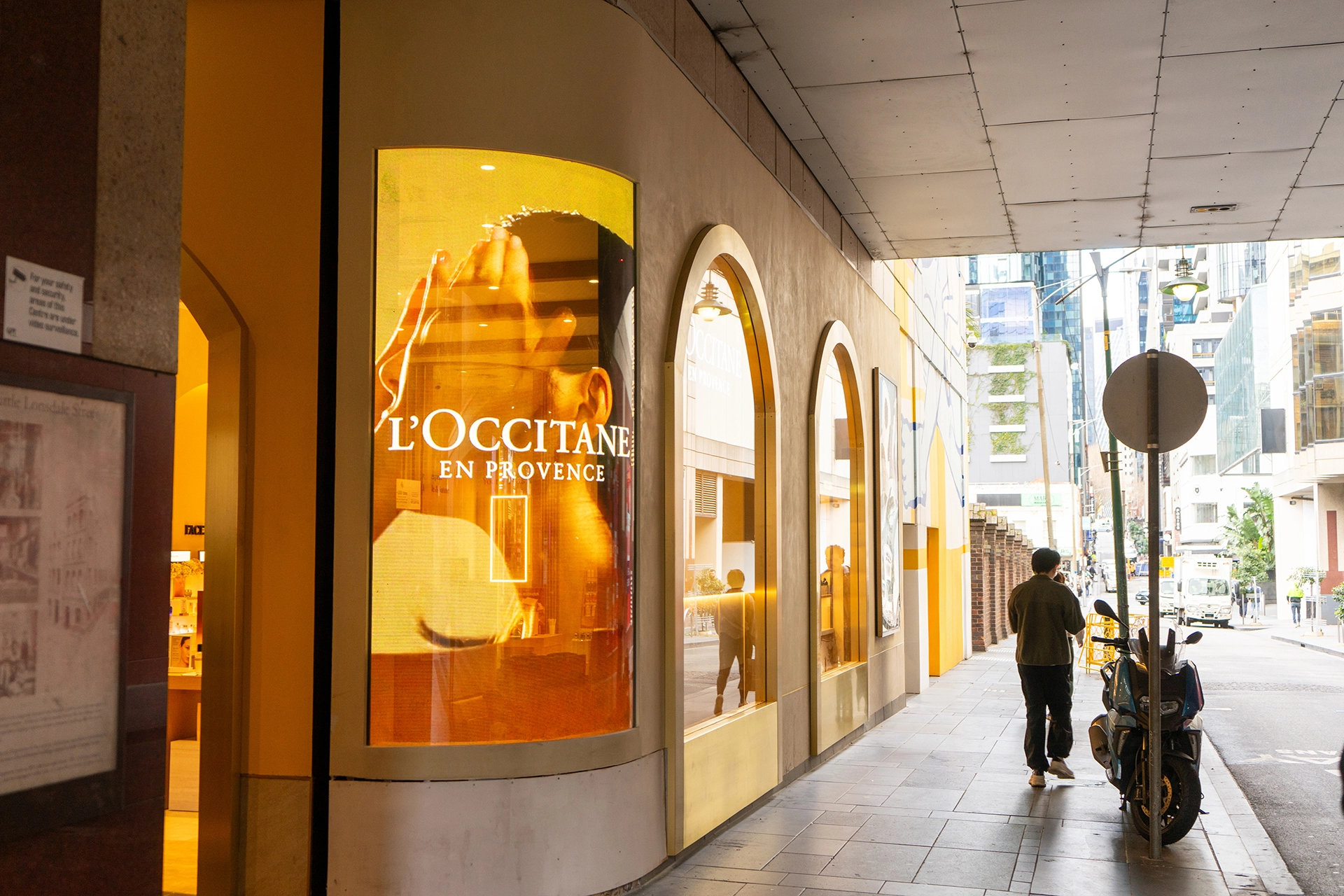
onQ Digital Group assists retailers in developing and implementing branded audio strategies by leveraging their expertise in digital signage content creation and management. Through onQ CMS, brands can centrally control audio assets and ensure consistent delivery across LED video walls, LED freestanding displays, and other digital media points, maintaining a unified sensory brand experience.
Programmatic Audio Advertising
Programmatic audio advertising represents the next evolution in retail media, enabling dynamic, data-driven audio content tailored to specific contexts. Using real-time data such as time of day, weather conditions, inventory levels, or customer demographics, retailers can deliver targeted audio messages that enhance relevance and engagement.
For example, an Australian supermarket could play a fresh produce promotion specifically when customers are near the fruit and vegetable aisle, using location-aware audio cues to drive immediate purchase intent. This level of personalisation transforms in-store audio from passive ambience into an active marketing channel.
onQ Digital Group’s digital signage solutions support integration with programmatic platforms, enabling retailers to synchronise audio advertising with visual content on LED signage and video walls. This creates a multi-sensory, responsive environment that maximises marketing impact.
Integration with Digital Signage
The synergy between in-store audio and digital signage is critical to delivering compelling retail experiences. While digital signage captures visual attention, complementary audio enhances message comprehension, emotional resonance, and memorability.
Consider a fashion retailer unveiling a new collection on large LED video walls. Adding a carefully selected soundtrack that reflects the brand’s style elevates the presentation, making it more immersive and persuasive. Similarly, pairing promotional videos with branded voiceovers or sound effects can guide customer focus and reinforce calls to action.
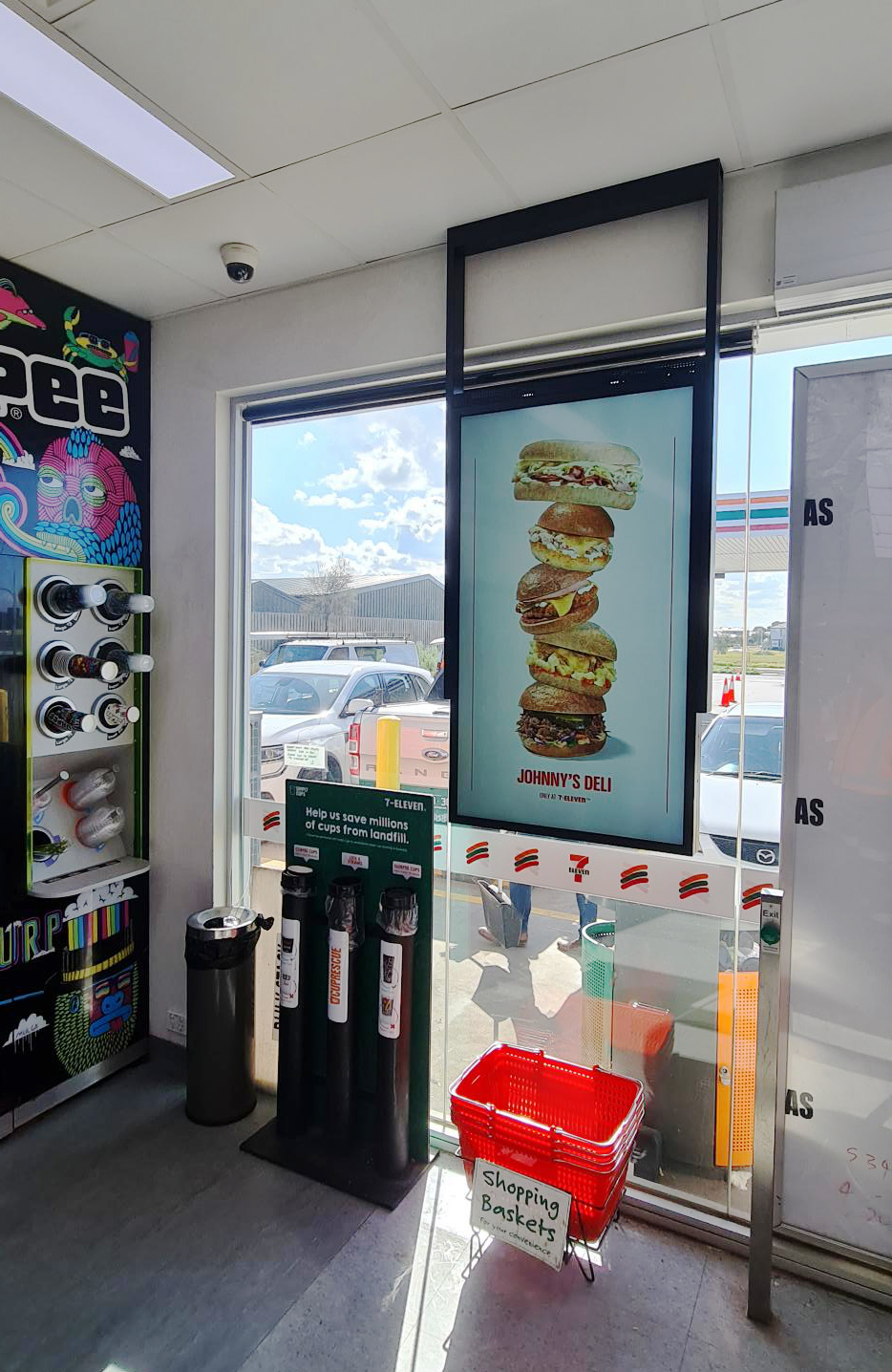
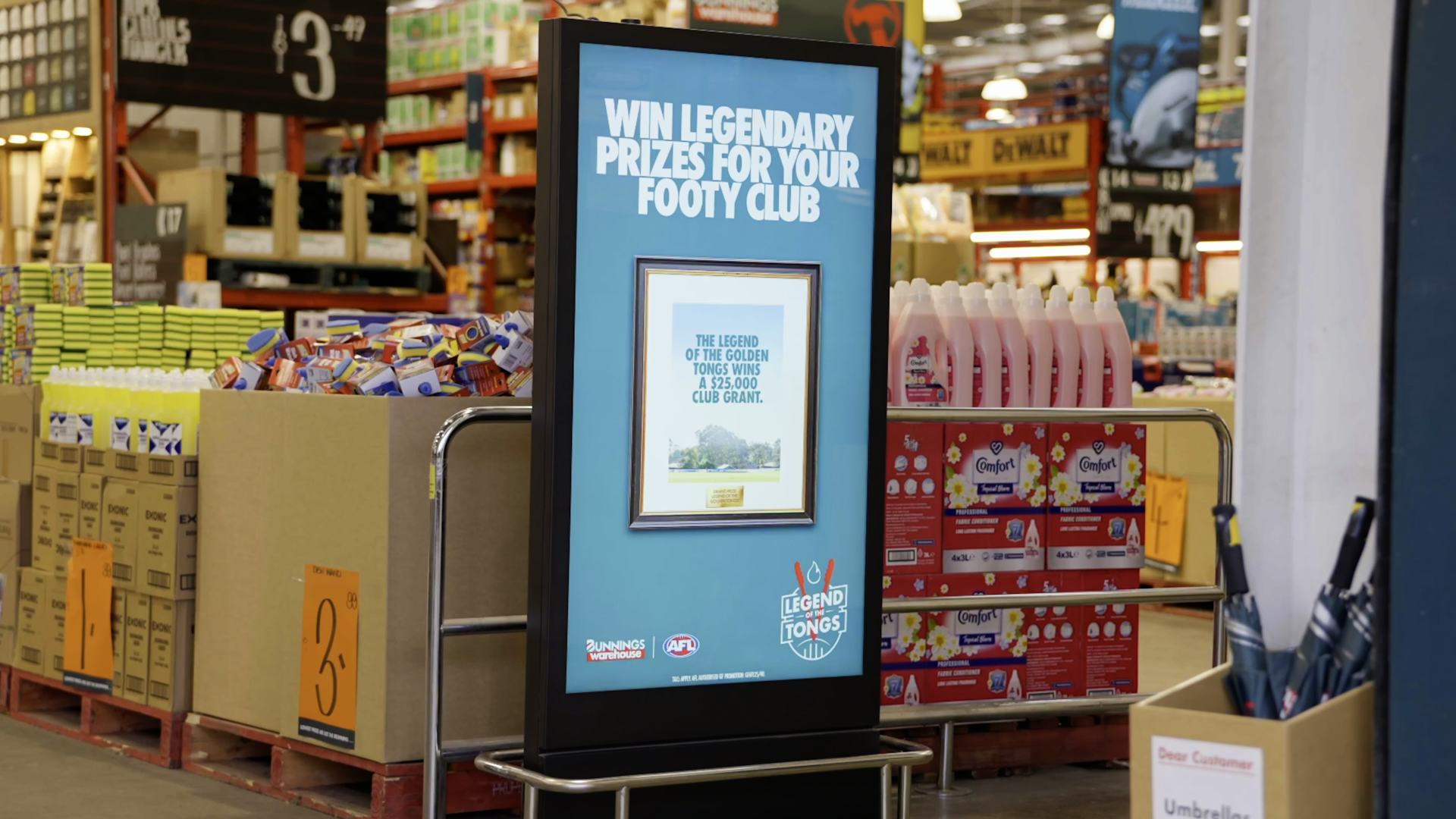
onQ Digital Group specialises in optimising these multi-channel retail media deployments. Their expertise spans LED video walls, transparent LED displays, outdoor LED billboards, and the integration of sound with visual content through the onQ CMS platform. This ensures seamless content scheduling, playback, and network management across diverse retail environments such as department stores like David Jones, automotive showrooms, and corporate spaces.
FAQs About In-Store Audio in Retail
What are the key benefits of using in-store audio in retail?
In-store audio enhances the shopping experience by influencing customer mood, increasing dwell time, and encouraging purchases. It complements visual merchandising, reinforces brand identity, and can be used strategically to guide customer behaviour, such as speeding up shopping or promoting specific products.
How do I choose the right music for my retail store?
Selecting appropriate music depends on your target audience, brand positioning, and retail environment. Consider tempo, genre, volume, and lyrical content to match the desired shopping pace and atmosphere. Consulting experts like onQ Digital Group can help tailor a sonic identity aligned with your brand and customer preferences.
What licenses are required to play music in Australian retail stores?
Australian retailers must obtain licences from APRA AMCOS and PPCA to legally play copyrighted music. Using licensed commercial streaming services or royalty-free music providers can simplify compliance. It is essential to address licensing to avoid legal penalties.
How can audio be integrated with digital signage effectively?
Audio should complement visual content by enhancing emotional engagement and message clarity. Synchronising soundtracks, voiceovers, or sound effects with digital signage content creates a multi-sensory experience. Platforms like onQ CMS facilitate this integration, enabling centralised content management and scheduling.
What is programmatic audio advertising and how can it benefit retail?
Programmatic audio advertising delivers dynamic, targeted audio messages based on real-time data such as customer location or time of day. This personalised approach increases relevance and effectiveness, turning passive background sound into an active marketing channel that drives sales.
Contact onQ Digital Group for Expert In-Store Audio Solutions
Integrating sound strategically into retail environments is a sophisticated process that requires expertise in audio design, licensing, content management, and technology integration. onQ Digital Group offers comprehensive support across these areas, combining their deep knowledge of digital signage software, LED signage solutions, and content management through onQ CMS to deliver seamless, impactful retail media experiences.
Whether you are looking to enhance an existing retail media network or embark on a new project involving LED video walls, LED freestanding displays, or outdoor LED billboards, onQ can provide tailored advice, deployment, and ongoing support. Their experience working with leading Australian retailers, including department stores like David Jones and automotive clients such as Mitsubishi, ensures practical solutions that meet your unique business needs.
Contact onQ Digital Group today to discuss how in-store audio, combined with cutting-edge digital signage technology, can transform your retail spaces into engaging, memorable environments that drive customer loyalty and sales.
Enjoy our insights? Add onQ Digital as a preferred source on Google to see more of our content in your search results.


Ready to start a conversation?
Speak with our team about digital signage, CMS software, or retail media infrastructure. We’ll help you scope, design, and deploy the right solution.

Digital signage, CMS software, retail media platforms, analytics, and managed services across Australia.
© 2026 onQ Digital. All rights reserved. Website by D&n