
Digital Signage for Healthcare: Improving Patient Experience and Wayfinding
Digital signage is revolutionising Australian healthcare, enhancing patient experiences and operational efficiency. This article explores its diverse applications, from intuitive wayfinding to critical staff communication, and its impact on perceived wait times.

Digital signage for healthcare is a technology-driven communication system that utilises digital displays to deliver real-time information, wayfinding assistance, and patient engagement content within medical environments. This innovation is increasingly essential in Australian healthcare settings, where it enhances patient experience, streamlines operations, and supports staff communication across hospitals, clinics, and specialist practices. By integrating advanced LED signage and sophisticated content management platforms such as onQ CMS, healthcare providers can create dynamic, responsive environments that improve navigation, reduce stress, and promote health literacy.
Healthcare environments are complex and often stressful for patients, visitors, and staff alike. The introduction of digital signage technologies addresses many of these challenges by providing clear, timely, and engaging communication that enhances the overall healthcare experience. From large metropolitan hospitals to community clinics, digital signage solutions are being tailored to meet the unique demands of healthcare settings across Australia. This article explores the multifaceted benefits of digital signage in healthcare, practical applications, compliance considerations, and how onQ Digital Group’s expertise supports successful implementation.
Wayfinding and Directory Systems in Healthcare Facilities
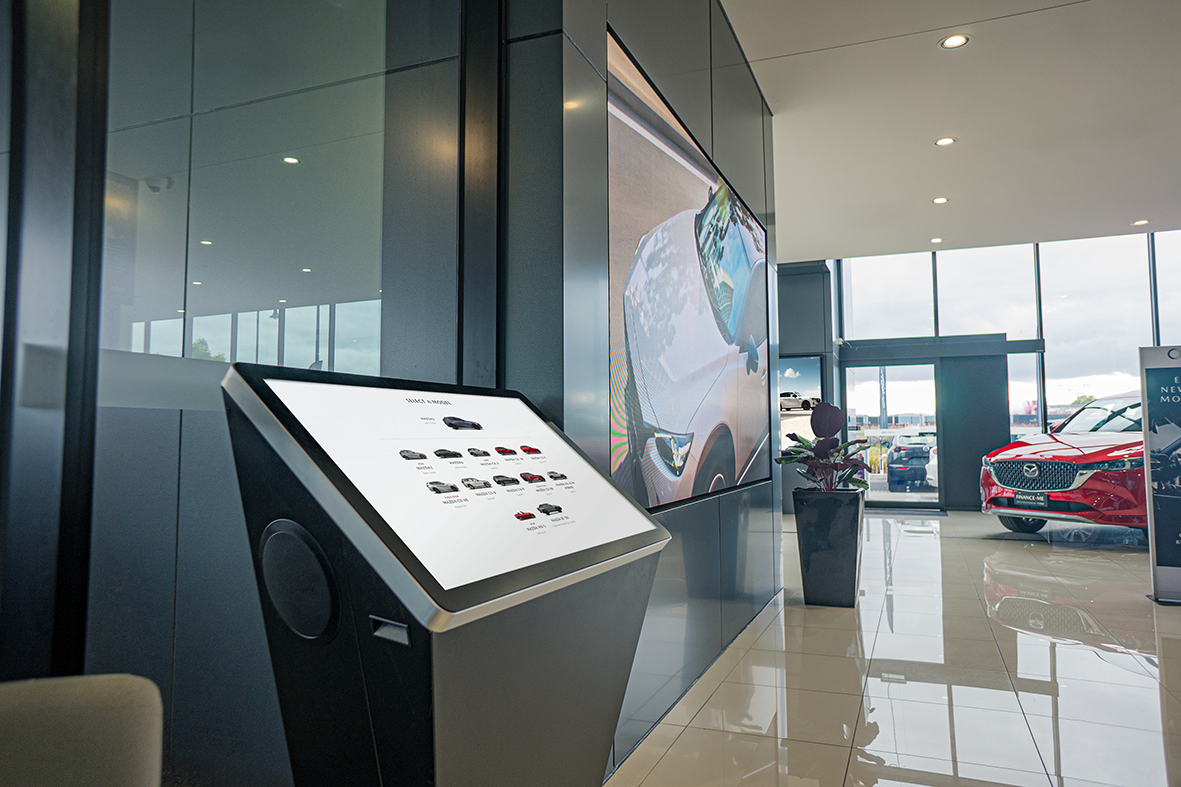
Large healthcare complexes often present navigation challenges that can increase patient anxiety and delay appointments. Digital wayfinding systems, including interactive kiosks and LED video wall directories, serve as intuitive guides for visitors. These systems provide searchable directories and dynamic maps that help users locate departments, specialist clinics, amenities, and emergency exits with ease. By reducing confusion, digital wayfinding not only improves the patient journey but also optimises operational flow by minimising the need for staff to provide directional assistance.
Wayfinding is particularly critical in hospitals where patients may be unfamiliar with the layout and under stress due to medical concerns. Traditional static signage can be difficult to update and may not provide sufficient detail or clarity. Digital wayfinding allows healthcare providers to offer interactive, real-time guidance that can adapt to changing facility conditions such as temporary closures, renovations, or emergency routes.
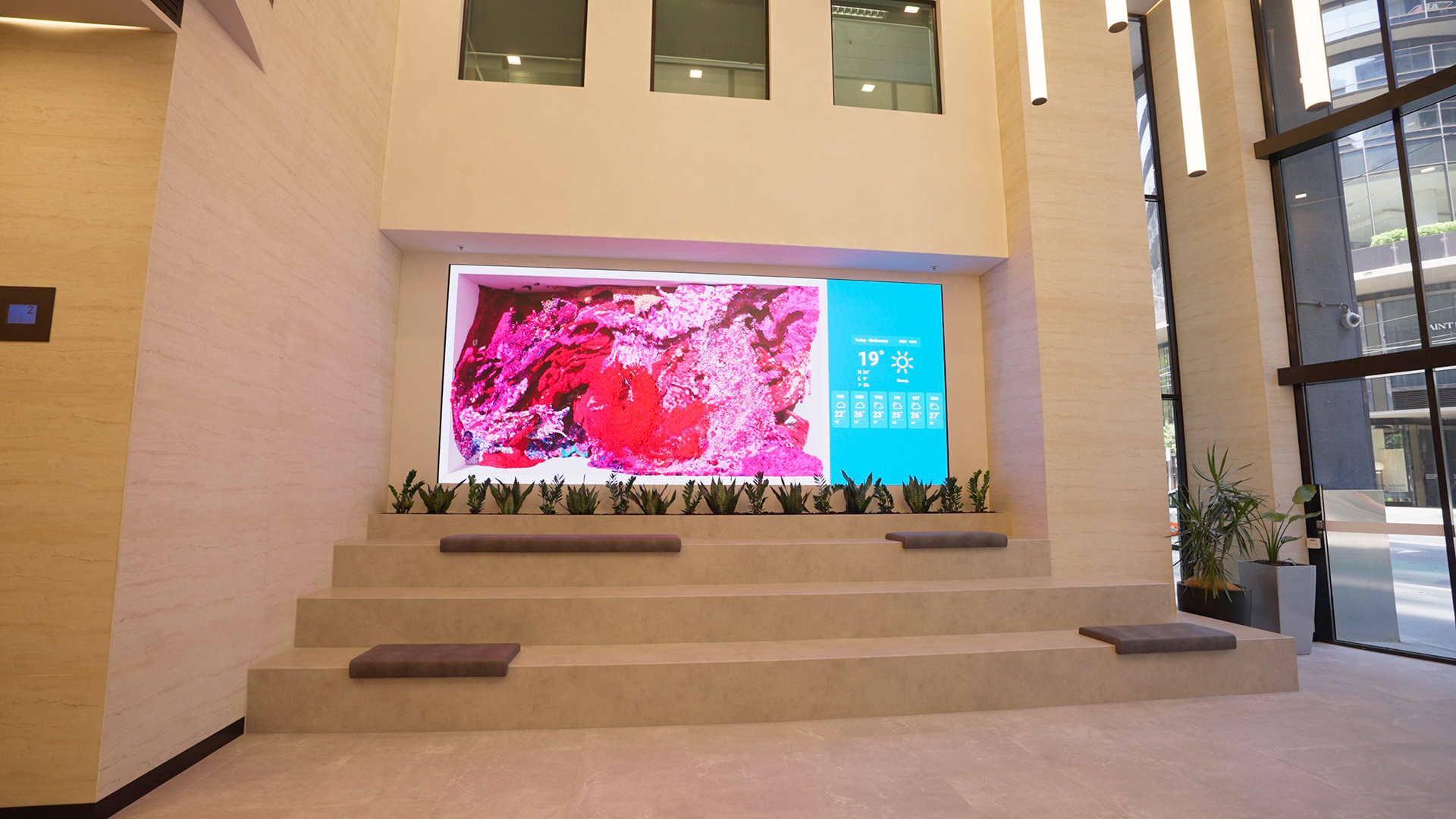
onQ Digital Group specialises in deploying scalable LED signage solutions tailored to healthcare wayfinding needs. Their expertise in LED MIP and freestanding LED displays enables the installation of highly visible, durable screens that withstand clinical environments. Through onQ CMS, healthcare operators can update directory content in real-time, ensuring accuracy and responsiveness to changing facility layouts or service offerings. For example, the deployment of LED video walls in hospital foyers can create impactful, easy-to-navigate directories that accommodate multilingual content, accessibility features, and emergency alerts.
Enhancing Waiting Room Engagement
Waiting rooms are critical touchpoints for patient experience. Traditional static signage often fails to engage or inform effectively during wait times, which can contribute to perceived delays and patient dissatisfaction. Digital signage transforms these spaces by delivering targeted content such as health education videos, wellness tips, hospital service updates, and inspirational messaging.
Research shows that engaging patients during wait times can significantly reduce anxiety and improve satisfaction scores. Digital signage achieves this by offering dynamic content that can be tailored to the demographic profile of the waiting audience, the clinical specialty, or time of day. For instance, paediatric clinics might display child-friendly animations and health tips, while oncology wards could focus on supportive care information.
Integrating live news feeds, weather updates, or entertainment content into waiting room displays can significantly reduce the perceived wait time — a psychological effect that has been shown to improve overall patient satisfaction. onQ Digital Group’s digital signage software facilitates seamless content scheduling and delivery, allowing healthcare providers to tailor messages by time of day, patient demographics, or specific clinical areas. This flexibility enables healthcare operators to maintain relevant and fresh content that aligns with patient needs and organisational goals.
Queue Management and Patient Flow Optimisation
Effective queue management is vital in busy healthcare settings to maintain order, reduce anxiety, and improve service efficiency. Digital queue management systems use LED signage to display real-time updates on patient call numbers, estimated waiting times, and service counters. This transparency helps manage patient expectations and reduces frustration associated with uncertainty.
Queue management systems also facilitate smoother patient flow by directing patients to the appropriate service points quickly and efficiently. This reduces bottlenecks and overcrowding in waiting areas, which is particularly important in the context of infection control and social distancing requirements. Additionally, digital signage can be integrated with appointment scheduling systems to provide notifications and alerts, further streamlining patient journeys.
onQ Digital Group offers integrated solutions that combine queue management with digital signage displays, enabling healthcare facilities to synchronise patient flow information dynamically. These systems can be configured through onQ CMS to respond to fluctuating demand, ensuring that waiting areas remain organised and that patients are informed throughout their visit. For example, during peak periods, signage can display estimated wait times and direct patients to alternative service points or provide health-related announcements to improve the waiting experience.
Improving Staff Communication and Internal Coordination
Internal communication in healthcare environments is crucial for safety, efficiency, and quality of care. Digital staff communication boards provide a centralised platform for disseminating urgent updates, shift schedules, training notifications, and emergency alerts. Unlike traditional noticeboards, digital displays can be updated instantly and remotely, ensuring all healthcare professionals receive timely information.
Effective communication among clinical teams supports coordinated patient care, reduces errors, and enhances operational responsiveness. Digital signage can also be used to highlight key performance indicators, hygiene protocols, or staff wellness initiatives, fostering a positive workplace culture.
onQ Digital Group’s capabilities extend to the deployment of digital staff boards that integrate with hospital information systems. This integration supports real-time data sharing and enhances coordination among clinical teams. By leveraging LED video walls and robust content management tools, healthcare providers can maintain a well-informed workforce and respond swiftly to operational changes. For example, during emergency situations or code alerts, digital signage can broadcast critical messages instantly to all relevant areas.
Australian Compliance and Privacy Considerations
Implementing digital signage in healthcare requires strict adherence to Australian legal and regulatory frameworks to protect patient privacy and ensure clinical safety. The Privacy Act 1988 and various state-specific health records legislations mandate that patient-identifiable information must never be displayed on public digital screens. Content must be carefully curated to avoid inadvertent breaches.
Additionally, hardware installation must comply with clinical environment standards, including infection control protocols and electromagnetic compatibility to prevent interference with sensitive medical equipment. Advertising and informational content must align with Therapeutic Goods Advertising Codes to maintain accuracy and ethical standards in health messaging.
onQ Digital Group’s project teams are experienced in navigating these compliance requirements, ensuring that all digital signage deployments meet Australian healthcare standards without compromising functionality or user experience. Their approach includes thorough risk assessments, content review processes, and collaboration with healthcare stakeholders to maintain regulatory compliance while maximising the benefits of digital communication.
Reducing Perceived Wait Times Through Engaging Content
One of the most impactful benefits of digital signage in healthcare is its ability to reduce perceived wait times. Engaging content, whether educational, entertaining, or informative, shifts patient focus away from the clock. This psychological effect not only alleviates anxiety but also contributes to higher patient satisfaction scores and a more positive perception of the healthcare facility.
Healthcare providers can use onQ CMS to curate and schedule content strategically, balancing health promotion with entertainment and facility information. This approach provides a cost-effective way to enhance patient comfort while reinforcing key health messages and hospital branding. For example, rotating health tips on nutrition, exercise, and mental health can empower patients with knowledge while they wait.
Moreover, digital signage can be used to promote hospital services, upcoming health campaigns, or community events, fostering a stronger connection between healthcare providers and their communities. This proactive communication supports overall public health objectives and patient engagement.

Choosing the Right Digital Signage Solution for Healthcare
Selecting an appropriate digital signage solution involves evaluating several factors: the scale of the facility, specific use cases (such as wayfinding, queue management, or staff communication), environmental conditions, and compliance requirements. LED signage offers superior brightness, durability, and visibility, making it ideal for both indoor and outdoor healthcare settings. LED video walls can be customised to fit large lobby spaces or corridors, providing impactful visual communication.
Environmental factors such as lighting conditions, foot traffic, and infection control protocols influence the choice of display technology and installation methods. For instance, medical imaging areas require displays that do not interfere with sensitive equipment, while outdoor signage must withstand weather conditions and vandalism.
onQ Digital Group assists healthcare providers in assessing these needs to design and deploy tailored digital signage networks. Their expertise in LED display technology, content management through onQ CMS, and ongoing network optimisation ensures that the digital signage system remains effective and adaptable to evolving healthcare demands. They also provide training and support to healthcare staff, ensuring smooth adoption and maximised return on investment.
Case Studies: onQ Digital Group’s Healthcare Digital Signage Projects
onQ Digital Group has successfully delivered numerous digital signage projects across Australian healthcare facilities, demonstrating measurable improvements in patient experience and operational efficiency. For example, a major metropolitan hospital implemented an extensive LED video wall directory and interactive wayfinding kiosks, resulting in a 30% reduction in patient navigation queries to staff and improved patient feedback scores.
Another project involved deploying digital queue management displays across multiple outpatient clinics, which enhanced patient flow and reduced perceived wait times by up to 25%, according to patient satisfaction surveys. These implementations were supported by customised content strategies developed through onQ CMS, ensuring relevant and engaging messaging tailored to each clinical environment.
These case studies highlight onQ Digital Group’s ability to deliver comprehensive, compliant, and user-centric digital signage solutions that address the complex needs of healthcare providers.

FAQ: Digital Signage in Healthcare
What types of digital signage are best suited for healthcare environments?
Healthcare settings benefit most from LED signage and LED video walls due to their high visibility and durability. Interactive kiosks for wayfinding, digital queue displays, and staff communication boards are common implementations. The choice depends on the facility’s size, patient volume, and specific communication goals.
How does digital signage improve patient wayfinding?
Digital wayfinding systems provide interactive maps and searchable directories that help patients and visitors navigate complex healthcare facilities easily. This reduces stress, saves time, and allows clinical staff to focus on patient care rather than directional assistance.
.avif)
Is patient privacy maintained with digital signage?
Yes. Australian privacy laws prohibit displaying patient-identifiable information on public digital screens. Digital signage content is carefully managed to ensure compliance, focusing on general information, health education, and facility navigation without compromising confidentiality.
Can digital signage reduce perceived wait times?
Absolutely. By providing engaging and informative content, digital signage distracts patients from waiting, reducing their perception of delay and improving satisfaction. Content can include health tips, entertainment, and live updates tailored to the patient demographic.
How does onQ Digital Group support healthcare digital signage projects?
onQ Digital Group offers end-to-end services including digital signage strategy development, LED display installation, content management via onQ CMS, network optimisation, and ongoing support. Their expertise ensures that healthcare digital signage solutions are compliant, effective, and seamlessly integrated within clinical environments.
Contact onQ Digital Group for Expert Healthcare Digital Signage Solutions
Healthcare providers looking to enhance patient experience, streamline operations, and improve communication through digital signage can rely on onQ Digital Group’s comprehensive expertise. From initial strategy and customised LED signage solutions to content management and network optimisation, onQ delivers tailored systems designed to meet the complex demands of Australian healthcare environments. Contact onQ Digital Group today to discuss your digital signage needs and discover how innovative LED display technology and onQ CMS can transform your facility’s communication landscape.
Enjoy our insights? Add onQ Digital as a preferred source on Google to see more of our content in your search results.

Ready to start a conversation?
Speak with our team about digital signage, CMS software, or retail media infrastructure. We’ll help you scope, design, and deploy the right solution.

Digital signage, CMS software, retail media platforms, analytics, and managed services across Australia.
© 2026 onQ Digital. All rights reserved. Website by D&n