
How Digital Menu Boards Increase Restaurant Revenue
In the competitive Australian hospitality market, digital menu boards are a game-changer. They enhance customer experience and significantly boost revenue through dynamic upselling, dayparting, and promotional strategies.

Digital menu boards are electronic display systems used in restaurants to replace traditional printed menus, providing dynamic, visually engaging content that can be updated instantly. This technology means restaurants can more effectively showcase their offerings, influence customer choices, and boost sales revenue. By harnessing advanced digital signage solutions integrated with robust content management systems such as onQ CMS, Australian hospitality operators are transforming their customer experience and operational efficiency while unlocking new marketing opportunities.
The Shift from Static Printed Menus to Dynamic Digital Displays
The restaurant industry has witnessed a profound transformation in how menus are presented. For decades, static printed menus were the norm—simple, fixed lists of dishes that required costly and time-consuming reprints whenever prices changed, items were added or removed, or promotions launched. These menus lacked flexibility and limited the ability to respond quickly to customer preferences or market conditions.
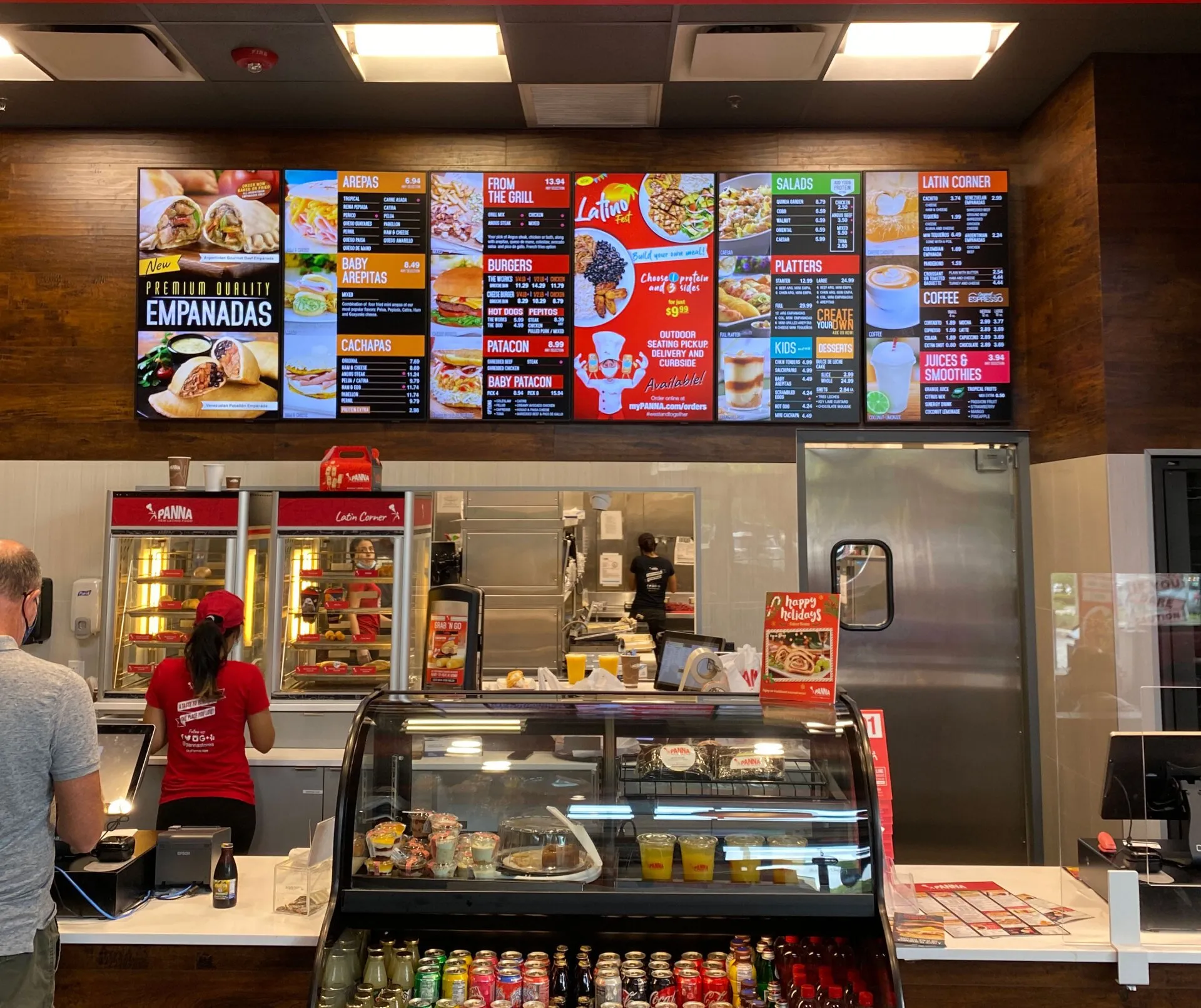
Digital menu boards represent a paradigm shift by offering a dynamic, flexible platform that allows for real-time content updates. Through high-resolution screens, vibrant colours, animations, and video, digital menus engage customers visually and emotionally, elevating the dining experience beyond mere product listing. This dynamic approach enables restaurants to highlight best-sellers, new dishes, special offers, and seasonal items with compelling imagery that captures attention and drives sales.
Moreover, digital menu boards support interactive elements and can integrate with other technologies, such as touchscreens or mobile ordering apps, to further personalise and streamline the customer journey. This evolution is not only aesthetic but also functional, turning menus into powerful sales and communication tools.
onQ Digital Group specialises in delivering tailored digital signage solutions that empower restaurants to embrace this evolution. Their expertise spans a broad portfolio of LED display technologies, including LED video walls and LED Freestanding displays, designed to maximise visual impact in various hospitality environments.
Driving Revenue Growth Through Upselling and Dayparting Strategies
One of the most significant revenue benefits of digital menu boards lies in their ability to facilitate effective upselling and dayparting strategies. Upselling encourages customers to select higher-margin items or add complementary products, increasing the average transaction value. Digital menu boards excel at this by combining eye-catching visuals with persuasive messaging that highlights premium options, combo deals, or limited-time offers.
For example, a digital menu board can showcase a gourmet burger with a vivid image alongside a tempting upgrade offer for premium cheese or extra toppings. Similarly, displaying meal bundles with discounted pricing encourages customers to purchase more items than they might otherwise consider. These subtle prompts, delivered in real time, can significantly boost per-customer revenue.
Dayparting takes this approach further by tailoring menu content to specific times of day to maximise relevance and appeal. Breakfast menus can feature coffee specials, pastries, and quick bites; lunchtime offerings might prioritise fast, convenient meals and combo deals; while dinner menus highlight premium entrees, desserts, and beverage pairings. Digital signage software with scheduling capabilities allows restaurants to automate these content changes seamlessly, ensuring the right message reaches customers at the right moment without manual effort.
Additionally, real-time promotional triggers enable restaurants to respond dynamically to external factors such as weather, local events, or inventory levels. For instance, a sudden cold snap could prompt the display of hot drinks promotions, or a nearby sports event might trigger themed menu specials. This agility encourages impulse purchases and keeps the menu experience fresh and engaging for returning customers.
The onQ CMS platform supports these advanced strategies with an intuitive user interface for content scheduling, template management, and remote updates. Coupled with onQ Digital Group’s network optimisation expertise, restaurants can maintain synchronised, responsive digital menus across multiple sites, maximising marketing effectiveness and operational control.
Enhancing Customer Experience by Reducing Perceived Wait Times
Beyond revenue generation, digital menu boards play a crucial role in improving the overall customer experience, particularly by reducing perceived wait times. In fast-paced hospitality settings such as quick service restaurants (QSRs), customers value speed and clarity in ordering. Digital menus with well-organised layouts, clear categorisation, and prominent pricing enable diners to make decisions quickly and confidently.
Many Australian QSRs leverage digital signage to display best-selling items or popular combos in prominent positions, helping repeat customers order swiftly without hesitation. This reduces queue lengths and wait times, improving customer satisfaction and increasing throughput during peak hours.
Furthermore, digital menu boards can integrate with queue management systems and kitchen display units (KDUs), creating a seamless operational flow between front-of-house and kitchen staff. This integration minimises order errors, accelerates preparation times, and ensures accurate communication of special requests or modifications, collectively enhancing service quality.
By reducing friction in the ordering process and keeping customers visually engaged while they wait, digital menu boards help create a positive dining atmosphere that encourages repeat visits and positive word-of-mouth referrals.
Operational Efficiencies and Cost Savings
Digital menu boards deliver substantial operational advantages beyond customer-facing benefits. The ability to instantly update menus, modify prices, or mark items as sold out eliminates the need for costly and wasteful reprinting of physical menus. This flexibility is especially valuable for restaurant chains or franchises managing multiple locations with varying menus and promotions.
Integration with point-of-sale (POS) systems ensures digital menus reflect real-time pricing, inventory availability, and promotional offers. This synchronisation reduces discrepancies that can frustrate customers and cause lost sales. Centralised cloud-based management via platforms like onQ CMS allows operators to control content remotely, ensuring consistent branding and messaging across all outlets with minimal effort.
Moreover, digital menu boards reduce environmental impact by minimising paper usage and waste associated with printed menus. This aligns with growing consumer expectations for sustainable business practices, enhancing the restaurant’s brand reputation.
onQ Digital Group offers comprehensive support in deploying and maintaining these integrated digital signage systems, ensuring reliability, scalability, and measurable return on investment for hospitality operators.
Unlocking New Revenue Streams with Supplier-Funded Promotions
Digital menu boards also create opportunities for restaurants to generate additional income through supplier-funded promotions. Beverage manufacturers, food suppliers, and local businesses can partner with restaurants to sponsor specific sections of the digital menu, turning the display into an advertising platform that benefits both parties.
For example, a soft drink brand might sponsor the drinks section of the menu board, featuring branded content, product highlights, and exclusive offers. These sponsorships not only offset the costs of digital signage investment but also enhance marketing efforts by promoting complementary products that encourage cross-selling.
Digital signage software makes it easy to manage and rotate sponsored content, enabling restaurants to tailor promotions to target audiences and time slots without disrupting the overall customer experience. This flexibility helps maintain the menu’s appeal while maximising revenue potential.
onQ Digital Group’s end-to-end digital signage solutions facilitate these supplier partnerships by providing flexible content management, network-wide control, and detailed reporting to demonstrate campaign effectiveness.
.avif)
Selecting the Right Digital Menu Board Solution for Your Restaurant
Choosing the most suitable digital menu board system is critical to harnessing its full benefits. Key considerations include software usability, template availability, scheduling capabilities, POS integration, and cloud-based management. The system should empower restaurant staff to create and update content easily without needing specialised technical skills.
Hardware selection is equally important. Depending on the venue and environment, restaurants may require indoor or outdoor displays, freestanding units, or large-scale LED video walls. onQ Digital Group offers a diverse range of LED display products, including LED MIP and transparent LED technologies, tailored to suit various settings such as retail, corporate, and automotive sectors.
Advanced features like AI-driven content recommendations and analytics provide valuable insights into customer behaviour and preferences. These data-driven capabilities enable ongoing optimisation of menu offerings, promotional strategies, and operational efficiency, ensuring sustained revenue growth.
Partnering with an experienced digital signage provider like onQ Digital Group guarantees expert guidance throughout system selection, deployment, content strategy development, and network optimisation. This comprehensive approach maximises return on investment and enhances the overall effectiveness of digital menu board solutions.
Frequently Asked Questions

How do digital menu boards improve customer engagement compared to static menus?
Digital menu boards use dynamic content such as animations, high-resolution images, and video to capture customer attention more effectively than static menus. They allow for real-time updates, personalised promotions, and interactive elements that enhance the ordering experience and influence purchasing decisions.
What is dayparting, and why is it important for restaurants?
Dayparting is the practice of adjusting menu offerings based on the time of day to better match customer preferences and maximise sales opportunities. For example, a restaurant may promote breakfast items in the morning and dinner specials in the evening. Digital menu boards make dayparting easy to implement through scheduled content changes.
Can digital menu boards integrate with existing POS systems?
Yes, many digital menu board solutions, including those supported by onQ Digital Group, can integrate directly with POS systems. This integration ensures menu accuracy by reflecting real-time pricing, inventory, and availability, reducing errors and improving operational efficiency.
What hardware options are available for digital menu boards?
Hardware options vary depending on the restaurant’s needs and environment. Common choices include LED video walls, LED Freestanding displays, and transparent LED units. onQ Digital Group offers a broad portfolio of LED display solutions suitable for indoor and outdoor applications, customised to fit different venue sizes and lighting conditions.
How can supplier-funded promotions benefit restaurants?
Supplier-funded promotions provide restaurants with an additional revenue stream by allowing suppliers to sponsor sections of the digital menu board. This partnership can offset costs and enhance marketing efforts by featuring branded content and special offers that attract customer interest.
Partner with onQ Digital Group for Expert Digital Menu Board Solutions
Adopting digital menu boards is a strategic investment that can significantly increase restaurant revenue, improve customer satisfaction, and streamline operations. With extensive experience in digital signage strategy, LED display technology, and content management via onQ CMS, onQ Digital Group is uniquely positioned to support Australian hospitality businesses in their digital transformation journey.
Whether upgrading a single site or deploying a network-wide system, onQ Digital Group offers personalised consultation, professional installation, and ongoing technical support to ensure your digital menu boards deliver maximum impact and measurable business value. Contact onQ Digital Group today to explore how their digital signage software and LED display solutions can elevate your restaurant’s customer experience and profitability.
Enjoy our insights? Add onQ Digital as a preferred source on Google to see more of our content in your search results.


Ready to start a conversation?
Speak with our team about digital signage, CMS software, or retail media infrastructure. We’ll help you scope, design, and deploy the right solution.

Digital signage, CMS software, retail media platforms, analytics, and managed services across Australia.
© 2026 onQ Digital. All rights reserved. Website by D&n