
Maximizing Visibility with Ultra High Brightness LCD Displays
A guide explaining how ultra high brightness LCD window displays improve visibility in sunlight support retail advertising and deliver clear digital signage in bright environments.

Ultra-high brightness LCD displays are specialised commercial screens engineered to provide outstanding visibility in environments with intense ambient light. This technology is crucial for digital signage applications such as window-facing retail displays, outdoor-facing installations, and settings exposed to direct sunlight. Unlike standard commercial LCD displays, which typically operate at brightness levels between 350 and 700 nits, ultra-high brightness LCDs deliver luminance in the range of 2,500 to 3,500 nits or more. This significant increase in brightness ensures that content remains vivid, legible, and impactful, even when competing with strong natural light sources.
Understanding Ultra-High Brightness LCD Displays
Ultra-high brightness LCD displays refer to advanced screen technologies designed to combat the challenges posed by bright ambient lighting conditions. These displays are built with enhanced backlighting systems and optical layers that amplify brightness without compromising image quality or colour accuracy. The result is a screen capable of maintaining clear and engaging visual content in locations where standard displays would typically wash out or become unreadable.
For businesses and organisations that rely on digital signage to communicate with customers or audiences, this technology represents a critical step in maximising the effectiveness of their messaging. Whether situated behind large glass windows exposed to sunlight or in semi-outdoor environments, ultra-high brightness LCDs ensure that digital content remains consistently visible throughout the day.
Why Brightness is a Critical Factor in Digital Signage
Brightness is arguably one of the most important technical specifications when selecting digital signage hardware, especially for applications exposed to natural light. A display that cannot overcome ambient light risks becoming invisible to its target audience, nullifying the investment in digital content and hardware.
In retail environments, particularly for window-facing installations, the display must contend with a dual lighting challenge: the artificial lighting inside the store and the often intense sunlight outside. During peak daylight hours, standard brightness displays tend to wash out, making it difficult for passersby to see promotional content, pricing, or branding messages. This loss of visibility directly impacts foot traffic engagement and potential sales.
Ultra-high brightness LCD displays address this issue by delivering sufficient luminance to overpower ambient light, ensuring that content is readable and visually striking regardless of the time of day or weather conditions. This capability supports continuous operation — from early morning when light levels are low, through to midday sun, and into the evening — maintaining consistent communication and advertising effectiveness.
Key Applications for Ultra-High Brightness LCD Displays
Ultra-high brightness LCD displays find practical use across a diverse range of sectors and environments where visibility is paramount. Understanding these applications helps businesses identify where such technology can deliver the most value.
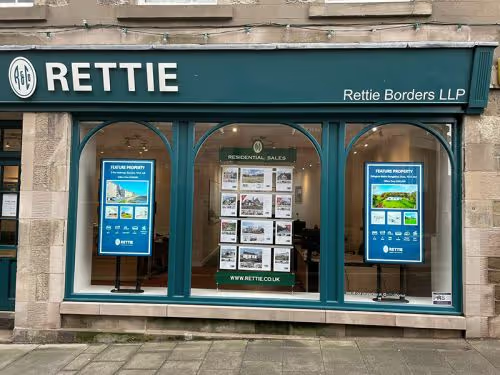
Retail Window Displays
One of the most common and impactful uses of ultra-high brightness LCDs in Australia is for retail window advertising. Retailers from various sectors — including fashion, electronics, real estate, and automotive — deploy these displays to attract the attention of pedestrians and passing vehicles. The ability to present dynamic, high-contrast content that remains clear in direct sunlight transforms shopfront windows into powerful marketing canvases.
onQ Digital Group has extensive experience supporting retail clients with tailored digital signage solutions that integrate ultra-high brightness displays. By combining these screens with onQ CMS, retailers can centrally manage content, schedule promotions, and adapt messaging in real-time to respond to market trends and customer engagement patterns.
Outdoor Forecourt and Covered Outdoor Environments
Many commercial spaces include covered outdoor areas such as service station forecourts, outdoor dining precincts, and undercover car parks. These environments pose unique challenges: high ambient light levels combined with exposure to variable weather conditions. While fully outdoor-rated hardware offers robust weatherproofing, it often comes with higher costs.
Ultra-high brightness LCD displays provide an effective alternative for these semi-exposed settings by delivering the necessary brightness to remain visible without the full weatherproofing requirements of true outdoor screens. This balance allows businesses to deploy digital signage solutions that are both cost-effective and reliable.
Transport and Wayfinding Displays
Transport hubs such as bus shelters, train stations, and ferry terminals require clear, readable displays that can perform well under fluctuating lighting conditions throughout the day and night. Ultra-high brightness LCDs ensure that critical information — including timetables, wayfinding directions, and safety messages — is accessible to commuters regardless of ambient light intensity.
onQ Digital Group supports transport sector clients by delivering digital signage solutions that combine high-brightness hardware with robust content management via onQ CMS. This integration enables centralised control of multiple screens across transport networks, streamlining updates and ensuring consistent messaging.

Comparing Standard and Ultra-High Brightness LCD Displays
When evaluating digital signage options, understanding the differences between standard and ultra-high brightness LCDs is essential to making an informed decision.
Standard commercial LCD displays typically offer brightness levels ranging from 350 to 700 nits. While suitable for indoor environments with controlled lighting, these screens struggle to maintain visibility in bright or direct sunlight conditions. Content on such displays often appears washed out, colours lose vibrancy, and text readability diminishes.
In contrast, ultra-high brightness LCD displays deliver luminance levels between 2,500 and 3,500 nits or more. This substantial increase enables them to combat the effects of intense ambient light, preserving image clarity and colour integrity. Additionally, these displays often incorporate anti-reflective coatings and optical bonding techniques to further reduce glare and enhance visibility.
From a cost perspective, ultra-high brightness LCDs generally carry a premium due to their advanced backlighting and durability features. However, this investment is justified by the extended operational window, improved audience engagement, and overall return on investment in environments where visibility is non-negotiable.
How to Choose the Right Ultra-High Brightness Display
Selecting the appropriate ultra-high brightness LCD display for a specific application involves considering several factors beyond just brightness levels. onQ Digital Group advises clients to evaluate the following elements when specifying hardware:
First, assess the ambient light conditions at the installation site throughout different times of the day and seasons. This assessment helps determine the minimum brightness required to ensure content visibility under peak lighting.
Next, consider the physical environment. For fully outdoor locations, weatherproofing and durability against dust, moisture, and temperature extremes are critical. In covered or semi-outdoor settings, displays can leverage ultra-high brightness without the full ruggedisation, reducing costs.
Screen size and resolution are also important. Larger screens with higher pixel density can deliver more detailed and engaging content but may require higher brightness to maintain visibility. The viewing distance and angles must be factored into the decision to ensure optimal audience experience.
Integration with digital signage software is another key consideration. onQ Digital’s comprehensive onQ CMS platform provides centralised content management, scheduling, and remote monitoring capabilities, which are essential for managing multi-site deployments efficiently.
Finally, factor in maintenance, warranty, and support services. onQ Digital Group offers commercial-grade warranties and expert support, helping clients maximise uptime and maintain consistent signage performance.
Integrating Ultra-High Brightness Displays with onQ Digital Solutions
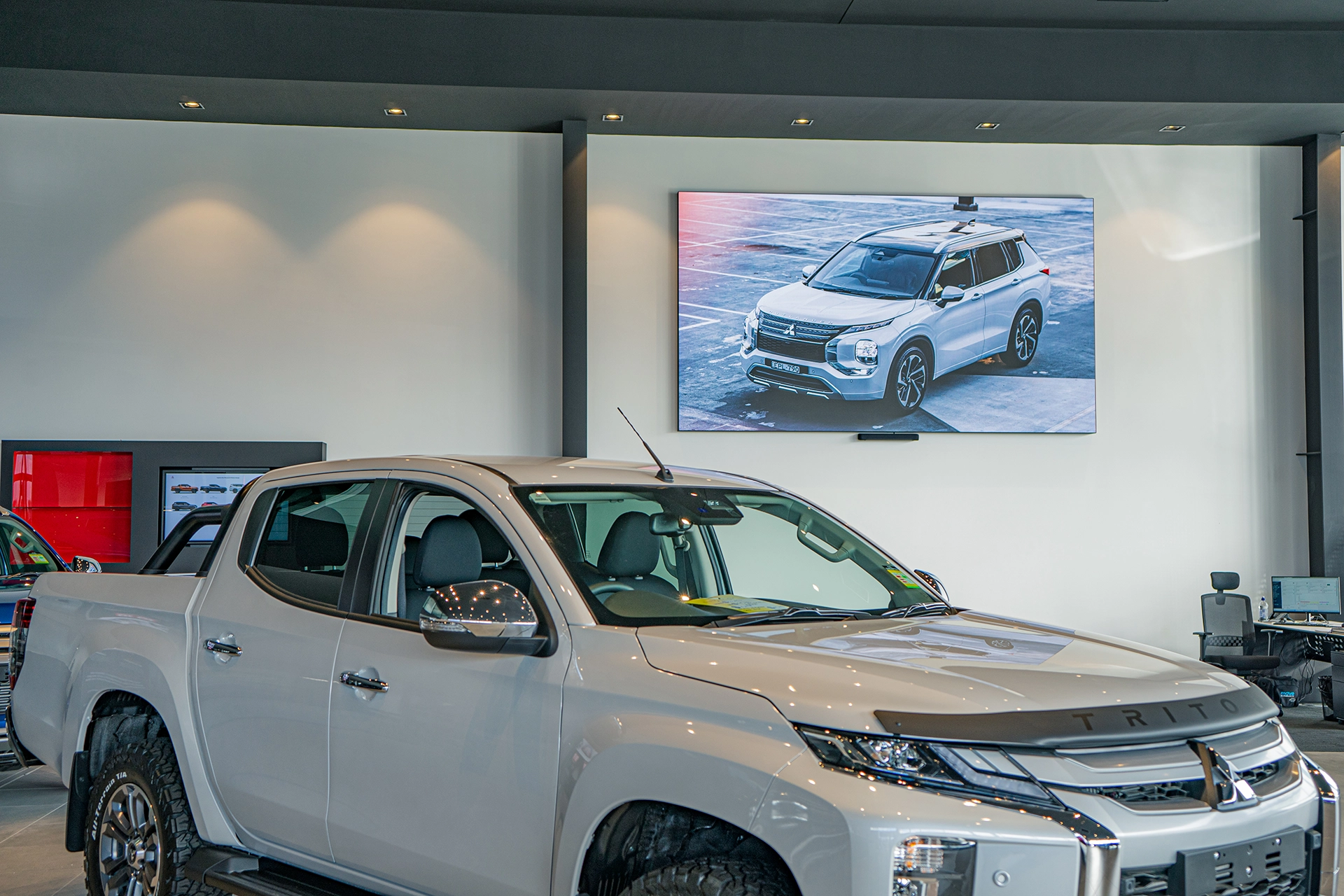
onQ Digital Group specialises in delivering end-to-end digital signage solutions that combine premium hardware with powerful content management and network optimisation. Ultra-high brightness LCD displays form a critical component of this offering, especially for clients in retail, automotive, transport, and corporate sectors requiring high-visibility signage.
By integrating these displays with onQ CMS, clients gain centralised control over content distribution, scheduling, and performance monitoring. This integration simplifies the management of complex networks comprising multiple displays across multiple locations, enabling rapid content updates and consistent brand messaging.
Additionally, onQ’s expertise extends to complementary LED signage solutions, including LED video walls, LED MIP (Modular Indoor Panels), LED Freestanding displays, and outdoor LED billboards. This breadth of capability allows clients to select the optimal display technology for each application, supported by a single trusted partner.

Frequently Asked Questions About Ultra-High Brightness LCD Displays
What environments benefit most from ultra-high brightness LCD displays?
Environments exposed to high levels of ambient light, such as retail window fronts, outdoor or semi-outdoor commercial spaces, transport hubs, and any location where direct sunlight or strong artificial lighting is present, benefit significantly. These displays ensure content remains visible and engaging despite challenging lighting conditions.
How do ultra-high brightness LCDs compare to outdoor LED signage?
Ultra-high brightness LCDs excel in applications requiring high-resolution content with rich colour fidelity and fine detail, particularly in window-facing or semi-outdoor settings. Outdoor LED signage, including LED video walls and billboards, offers superior brightness and weather resistance for fully exposed outdoor environments but may have different pixel pitch and resolution characteristics. onQ Digital Group can advise on the best technology based on specific project requirements.

Can ultra-high brightness displays operate continuously without overheating?
Yes, commercial-grade ultra-high brightness LCD displays are designed for continuous operation with built-in thermal management systems. They are engineered to withstand extended use in demanding environments, and onQ Digital ensures that all hardware supplied meets rigorous quality and durability standards.
Is content management for ultra-high brightness displays different from standard displays?
Content management principles remain consistent; however, ultra-high brightness displays often support higher resolution and brightness settings, which can affect content design considerations. Using onQ CMS, clients can optimise content for brightness, contrast, and viewing angles to maximise impact. The platform also facilitates remote updates and monitoring, streamlining operational workflows.
What maintenance is required for ultra-high brightness LCD displays?
Maintenance typically involves regular cleaning of the screen surface to remove dust and debris, periodic inspection of mounting hardware, and software updates via onQ CMS. onQ Digital Group provides support services and warranties to assist clients with ongoing upkeep and technical assistance.
Contact onQ Digital Group for Expert Advice on Ultra-High Brightness Display Solutions
Choosing the right ultra-high brightness LCD display and integrating it effectively within your digital signage network requires specialised knowledge and experience. onQ Digital Group offers comprehensive consultation, hardware specification, installation, and ongoing support services tailored to your unique environment and business goals.
Whether you operate in retail, automotive, transport, or corporate sectors, our team can help you maximise visibility, engagement, and return on investment through expertly designed digital signage solutions. Leveraging our expertise in digital signage software, LED signage, and content management via onQ CMS, we deliver solutions that perform reliably in the brightest conditions.
Contact onQ Digital Group today to discuss your project requirements and discover how ultra-high brightness LCD displays can transform your digital communications.
.avif)
Ready to start a conversation?
Speak with our team about digital signage, CMS software, or retail media infrastructure. We’ll help you scope, design, and deploy the right solution.

Digital signage, CMS software, retail media platforms, analytics, and managed services across Australia.
© 2026 onQ Digital. All rights reserved. Website by D&n