
Future of Retail Media 2026 and 2030
The future of retail media in Australia from 2026 to 2030 — programmatic standardisation, AI-powered dynamic creative, multi-sensory attribution, and what to expect in the next four years.
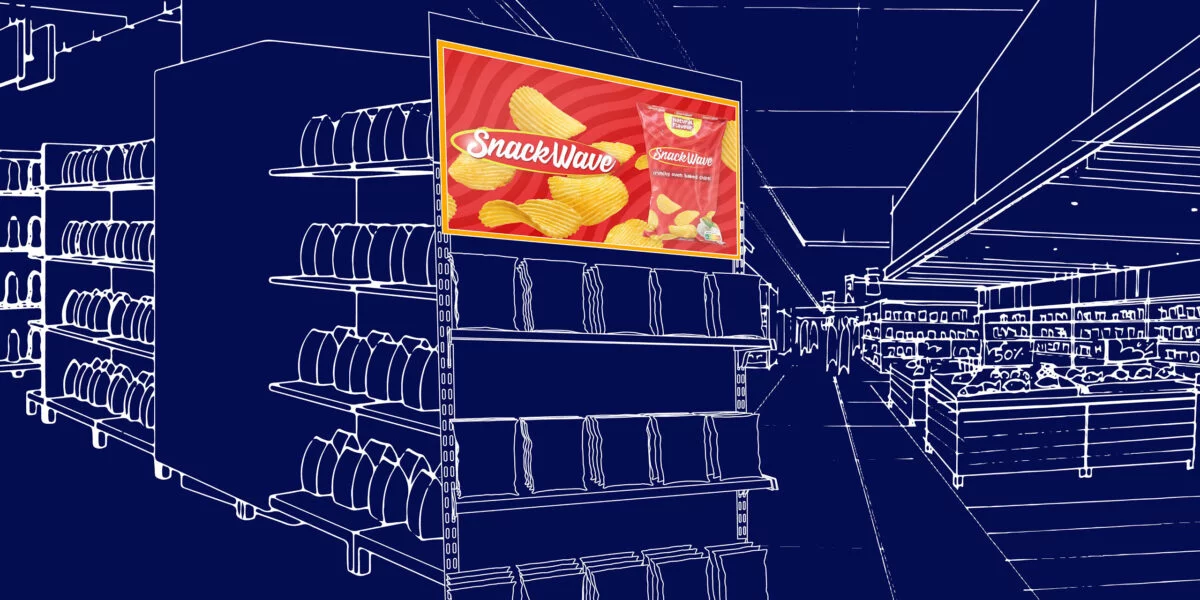
Retail media in 2026 and 2030 refers to the evolving landscape of advertising within physical retail environments, leveraging in-store digital displays, programmatic technology, and data-driven audience insights to deliver targeted marketing messages. This form of media is transforming how brands engage consumers at the point of purchase, blending digital signage, content management, and audience measurement to create highly effective advertising channels. Understanding the current state and projected future of retail media is essential for retailers, advertisers, and technology providers aiming to capitalise on its growth and innovation.
Retail Media in 2026: Current Landscape and Key Trends
As of 2026, retail media has transitioned from a niche experimental channel to a mainstream advertising platform across Australia. It is no longer limited to traditional in-store promotions but has expanded into sophisticated digital ecosystems incorporating programmatic buying, multi-sensory engagement, and AI-powered analytics. The prominence of major grocery retailers such as Woolworths Cartology and Coles 360 reflects the maturity of retail media within grocery categories, which have long been leaders in shopper marketing innovation.
Alongside these dominant players, specialist operators like onQ Digital Group are instrumental in developing the infrastructure that enables the next tier of retailers and venue operators to participate in retail media. onQ’s expertise in digital signage strategy, LED video wall solutions, and content management through the onQ CMS platform provides retailers in sectors such as automotive, corporate, and hospitality with scalable, flexible solutions tailored to their unique environments.
Shift from Direct-Sold to Programmatic Inventory
One of the defining trends in 2026 is the shift from traditional direct-sold advertising inventory towards programmatic inventory trading. Programmatic retail media allows advertisers to purchase screen time dynamically through real-time bidding (RTB), optimising spend based on audience data and campaign objectives. This shift increases efficiency, transparency, and targeting precision, enabling retailers and advertisers to maximise the return on investment of their digital signage assets.
For retailers deploying LED MIP or freestanding LED displays, programmatic capabilities integrated with digital signage software such as onQ CMS allow seamless scheduling, yield management, and reporting. This integration empowers retail media networks to scale beyond legacy manual processes, opening new revenue streams while maintaining operational control.
Emergence of Multi-Sensory Retail Media
Retail media in 2026 is increasingly multi-sensory, combining visual digital signage with audio elements to create immersive advertising experiences. This unified channel approach enhances brand messaging impact and shopper engagement by appealing to multiple senses. OnQ Digital Group supports this trend by integrating audio capabilities with their LED display solutions, including transparent LED and outdoor LED billboards, to deliver cohesive multi-sensory campaigns that resonate in diverse retail environments.
Adoption of AI-Powered Audience Measurement
Accurate audience measurement is critical for validating retail media impressions and optimising campaigns. AI-powered audience measurement tools are now widely adopted, enabling privacy-compliant analytics that do not rely on facial recognition or personally identifiable information. These tools analyse shopper attention and foot traffic patterns to provide verified impression data, which informs media buying decisions and campaign effectiveness assessments.
OnQ’s digital signage software integrates with AI analytics platforms to deliver actionable insights to retailers and advertisers, ensuring that content displayed on LED video walls or freestanding displays is optimally tailored to the audience present at any given time.

Integration with Online Channels for Closed-Loop Attribution
The convergence of physical retail media and online advertising channels is becoming a standard practice in 2026. Closed-loop attribution models link in-store digital media exposure with online consumer behaviour, such as website visits or e-commerce transactions. This integration allows advertisers to measure the full impact of retail media campaigns across multiple touchpoints, providing a comprehensive view of customer journeys.
OnQ Digital Group’s content management and network optimisation expertise facilitates seamless integration between onQ CMS-managed digital signage networks and advertisers’ online platforms, enabling accurate attribution and campaign optimisation.
Retail Media in 2030: Anticipated Advances and Industry Evolution
Looking ahead to 2030, retail media is expected to become a foundational component of the media mix for most major Australian advertisers. By this time, retail media networks will have expanded well beyond grocery to encompass automotive, healthcare, hospitality, entertainment, and other sectors. The technological and operational advancements anticipated for 2030 will further enhance the effectiveness, efficiency, and reach of retail media campaigns.
Full Programmatic Standardisation
By 2030, the retail media ecosystem will see full programmatic standardisation, with all in-store inventory traded via real-time bidding platforms. This evolution will create a highly liquid, transparent marketplace for digital out-of-home (DOOH) advertising within retail environments. Retailers deploying LED video walls, outdoor LED billboards, or transparent LED displays will benefit from automated yield management and dynamic pricing models, maximising revenue potential.
OnQ Digital Group’s ongoing development of digital signage software and network optimisation services will be crucial in supporting retailers’ transition to fully programmatic retail media networks, ensuring seamless integration with demand-side platforms and efficient campaign delivery.

AI-Powered Dynamic Creative Optimisation
Artificial intelligence will play a central role in creative optimisation by 2030. Dynamic creative optimisation (DCO) will enable retail media content to adapt in real-time based on audience demographics, time of day, environmental conditions, and shopper behaviour. This capability will significantly increase relevance and engagement, driving higher conversion rates.
OnQ CMS’s content management capabilities are well positioned to support AI-driven DCO by enabling rapid deployment and updating of creative assets across diverse digital signage networks, including in automotive showrooms and corporate retail spaces.
Multi-Sensory Attribution Models
Measuring the combined impact of visual and audio retail media channels will become standard practice by 2030. Multi-sensory attribution models will quantify how screens and audio together influence purchase behaviour, providing richer insights than visual impressions alone. This holistic approach will enable advertisers to optimise media mixes and budgets more effectively.
OnQ Digital Group’s expertise in integrating audio with LED displays and managing content through onQ CMS ensures that retail media networks can deliver and measure multi-sensory campaigns with high precision.
Expansion of Retail Media Networks Beyond Grocery
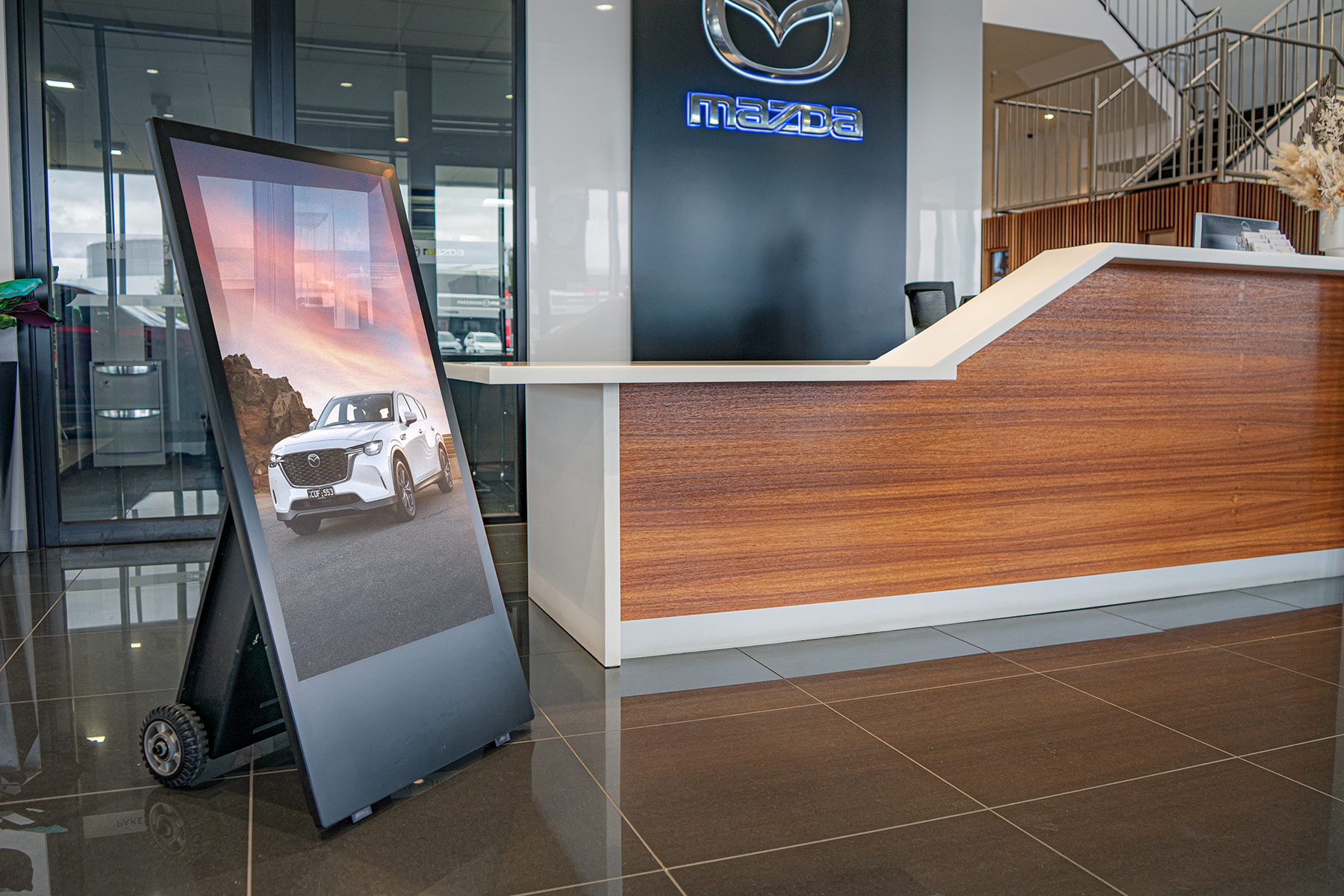
While grocery-led retail media networks currently dominate, by 2030, we expect significant growth in sectors such as automotive, healthcare, hospitality, and entertainment. These industries will leverage retail media to engage customers in showrooms, clinics, hotels, and entertainment venues, using tailored digital signage solutions like LED MIP and freestanding LED displays.
OnQ Digital Group’s experience working with clients in automotive and corporate sectors positions them as a trusted partner for deploying and managing retail media networks across these emerging verticals.
The AI Opportunity in Retail Media
Artificial intelligence is already transforming retail media through several key applications. AI-powered audience measurement tools enable privacy-first attention analytics that do not rely on invasive technologies like facial recognition, aligning with increasing consumer privacy expectations and regulatory requirements. These analytics provide advertisers with verified impression data that is critical for optimising campaigns and media spend.
AI also powers dynamic creative optimisation, allowing content to automatically adjust based on real-time data such as audience demographics, time of day, or environmental factors. This results in advertising that is more relevant and engaging, increasing the likelihood of purchase decisions.
Furthermore, AI-driven programmatic bidding enhances yield management by optimising CPMs and fill rates across digital signage networks. This ensures that every available screen inventory is monetised efficiently, maximising revenue for retailers.
OnQ Digital Group integrates AI capabilities within their digital signage software and network optimisation services, supporting retailers and advertisers to harness these opportunities effectively while maintaining operational simplicity and compliance.

How to Choose the Right Retail Media Partner
Selecting a retail media partner requires consideration of several critical factors including technological expertise, sector experience, and the ability to deliver scalable, integrated solutions. Retailers and advertisers should prioritise partners who offer comprehensive digital signage solutions, including LED display hardware such as LED video walls, transparent LED, and outdoor LED billboards, combined with robust content management platforms like onQ CMS.
Experience across multiple sectors—retail, automotive, corporate, hospitality—demonstrates a partner’s capability to customise solutions to different environments and customer behaviours. Additionally, partners who provide ongoing deployment support and network optimisation services ensure that retail media campaigns remain effective and evolve with emerging trends.
onQ Digital Group exemplifies these qualities, offering end-to-end expertise from digital signage strategy and LED display solutions to content management and AI-driven analytics integration. Their proven track record with clients such as David Jones and Mitsubishi highlights their ability to deliver results across diverse retail media applications.
FAQ: Future of Retail Media 2026 and 2030
What is retail media and why is it important?
Retail media refers to advertising delivered within physical retail environments using digital signage and programmatic technology to target shoppers at the point of purchase. It is important because it enables brands to engage consumers with relevant messages in real time, increasing the likelihood of purchase and providing measurable ROI for advertisers.
How does programmatic retail media differ from traditional in-store advertising?
Programmatic retail media automates the buying and selling of digital advertising inventory in retail environments through real-time bidding platforms. This contrasts with traditional direct-sold advertising, which involves manual negotiations and fixed placements. Programmatic enables greater targeting precision, dynamic pricing, and campaign optimisation.
What role does AI play in the future of retail media?
AI enhances retail media by enabling privacy-compliant audience measurement, dynamic creative optimisation that adapts content in real time, and sophisticated programmatic bidding for yield management. These capabilities improve ad relevance, efficiency, and measurable impact.
Which sectors beyond grocery are adopting retail media?
Beyond grocery, sectors such as automotive, healthcare, hospitality, and entertainment are increasingly adopting retail media to engage customers in showrooms, clinics, hotels, and venues. These sectors benefit from tailored digital signage solutions like LED MIP, freestanding LED displays, and outdoor LED billboards.
How can onQ Digital Group support retailers and advertisers in retail media?
OnQ Digital Group offers comprehensive digital signage strategy, LED display solutions, and content management through onQ CMS. Their expertise includes deployment, ongoing support, network optimisation, and integration of AI-powered analytics, enabling retailers and advertisers to maximise retail media effectiveness across multiple sectors.
Contact onQ Digital Group for Expert Retail Media Solutions
As retail media continues to evolve rapidly towards 2030, partnering with an experienced and innovative provider is essential for success. onQ Digital Group combines deep expertise in digital signage hardware, software, content management, and AI-driven analytics to deliver tailored retail media networks that drive engagement and revenue.
Whether you are a retailer looking to enhance your in-store advertising capabilities or an advertiser seeking to leverage the power of programmatic retail media, onQ Digital Group can provide strategic advice, deployment support, and ongoing optimisation services. Contact onQ today to explore how their solutions can help you capitalise on the future of retail media.
Enjoy our insights? Add onQ Digital as a preferred source on Google to see more of our content in your search results.
Commonly asked Questions
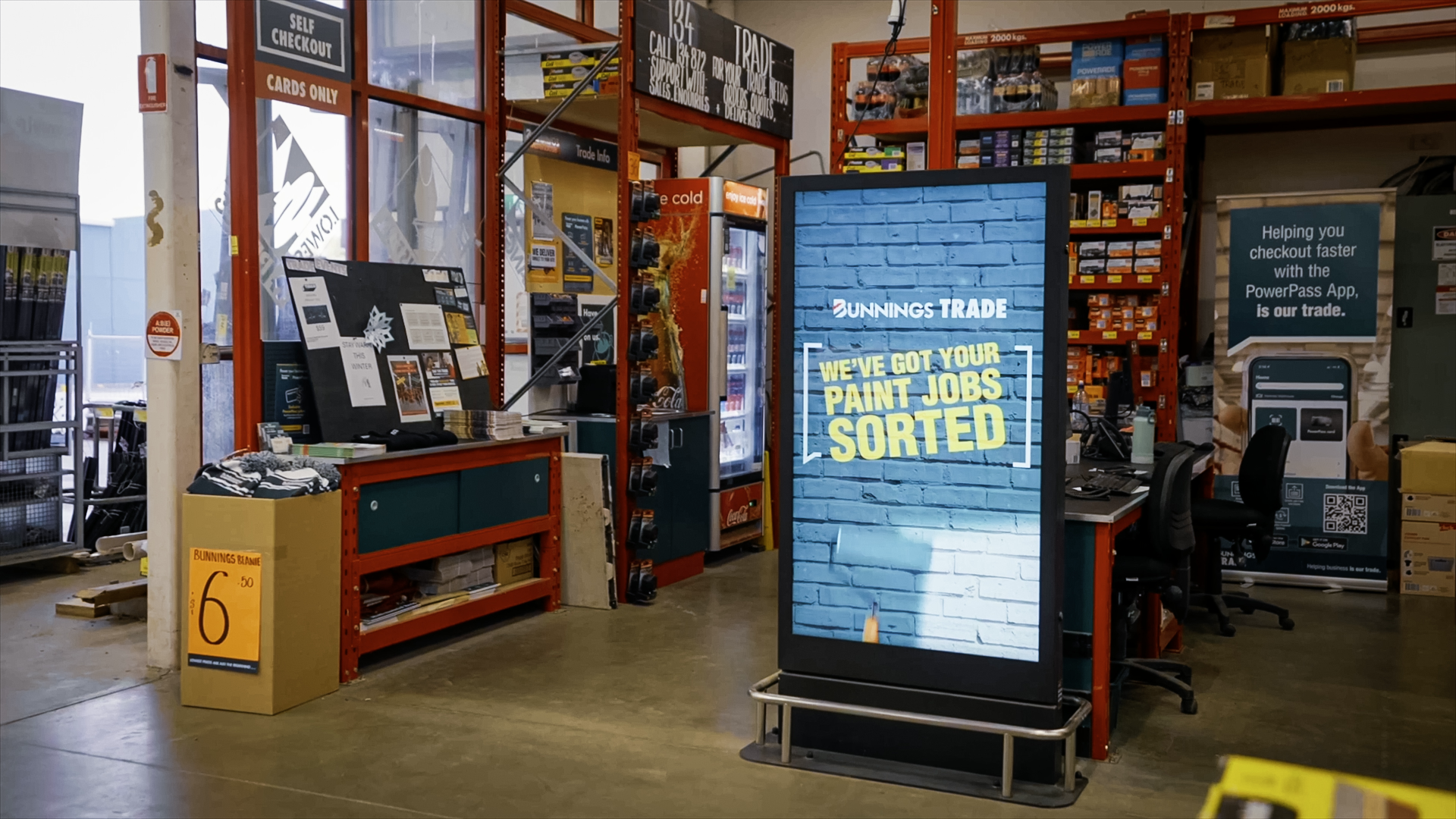
Retail media in Australia is poised for significant growth and increasing sophistication, with major retailers developing monetisable in-venue media networks featuring programmatic capabilities and audience measurement. Networks like Woolworths Everyday Rewards Media and Bunnings Hammer Media exemplify this trend. By 2030, retail media is expected to become a multi-billion dollar category, with digital signage and LED signage playing a central role alongside digital and owned media channels.
Retail media is not set to replace traditional advertising but is transforming how marketing budgets are allocated. It offers unique advantages like purchase-proximity targeting, closed-loop proof-of-play measurement, and premium in-venue environments that traditional media cannot replicate. onQ Digital sees retail media becoming an essential part of the advertising mix for sectors like FMCG, automotive, and financial services across Australia in the coming years.


Ready to start a conversation?
Speak with our team about digital signage, CMS software, or retail media infrastructure. We’ll help you scope, design, and deploy the right solution.

Digital signage, CMS software, retail media platforms, analytics, and managed services across Australia.
© 2026 onQ Digital. All rights reserved. Website by D&n