
What Is Digital Signage? The Complete Guide for Australian Businesses
Digital signage is transforming how Australian businesses communicate, offering dynamic content delivery and enhanced customer engagement. This guide covers everything from its fundamental definition to practical implementation strategies for local enterprises.
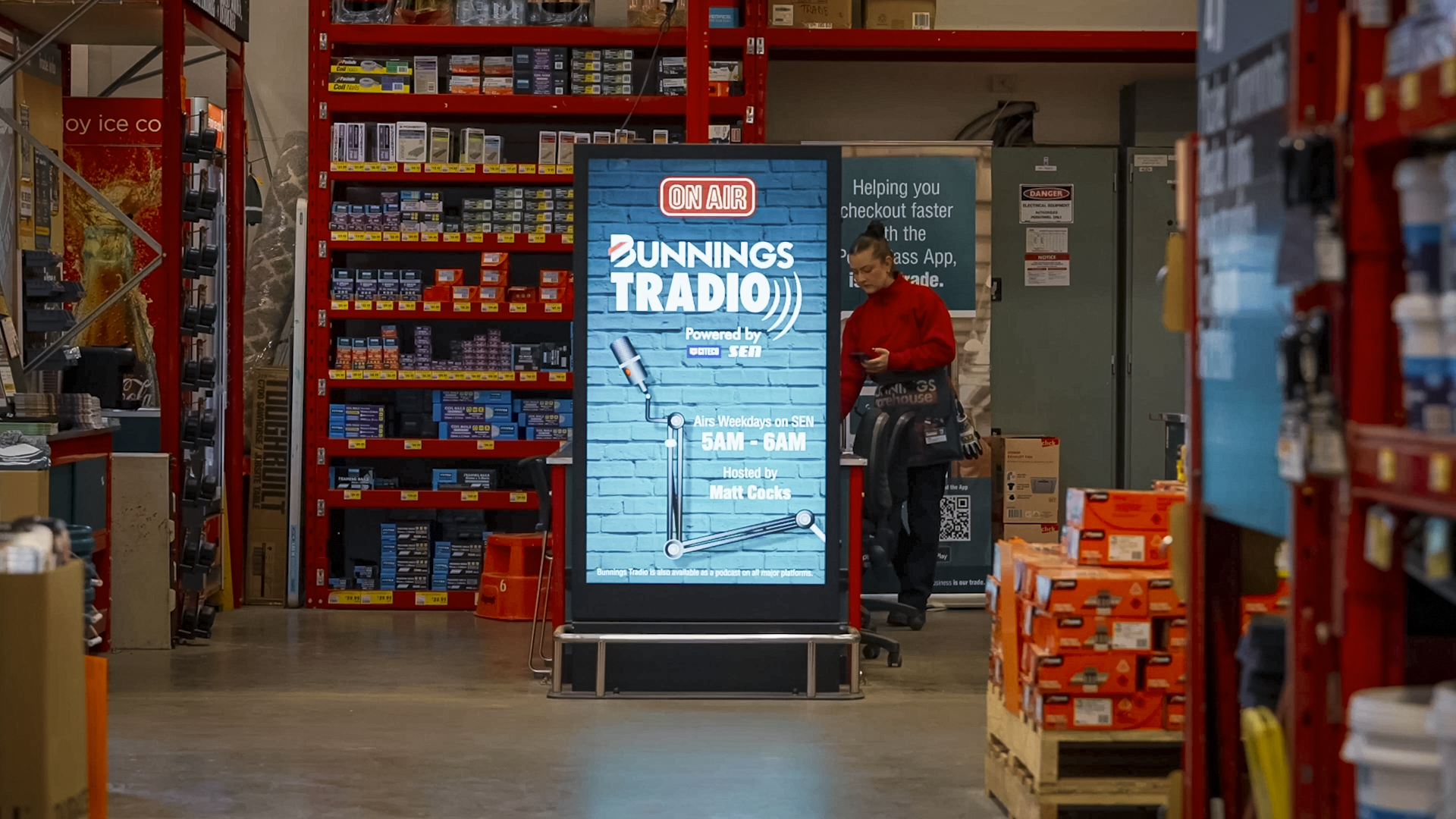
Introduction to Digital Signage in Australia
Digital signage has rapidly evolved from a niche technology to an indispensable tool for businesses across Australia. In an increasingly competitive market, capturing customer attention and delivering timely, relevant information is paramount.
Defining Digital Signage
At its core, digital signage refers to electronic displays that broadcast dynamic content to a targeted audience. Unlike static posters or billboards, these digital screens — LCD, LED, or projection-based — offer unparalleled flexibility and interactivity, capable of displaying text, images, videos, animations, live data feeds, and interactive touch-screen experiences.
Diverse Types of Digital Signage

Indoor Digital Signage
Commonly found in retail stores, corporate lobbies, restaurants, and healthcare facilities, indoor digital signage focuses on enhancing the in-store experience, providing wayfinding, promoting products, or delivering internal communications.
Outdoor Digital Signage
Built to withstand harsh Australian weather conditions, outdoor digital signage is robust and highly visible even in direct sunlight. Applications include large format LED billboards, digital menu boards for drive-thrus, and public information displays.
Interactive Digital Signage
Interactive screens with touch capabilities transform passive viewing into an engaging experience, ideal for product catalogues in retail, self-service kiosks, wayfinding maps in large venues, and interactive educational displays.
.png)
Video Walls
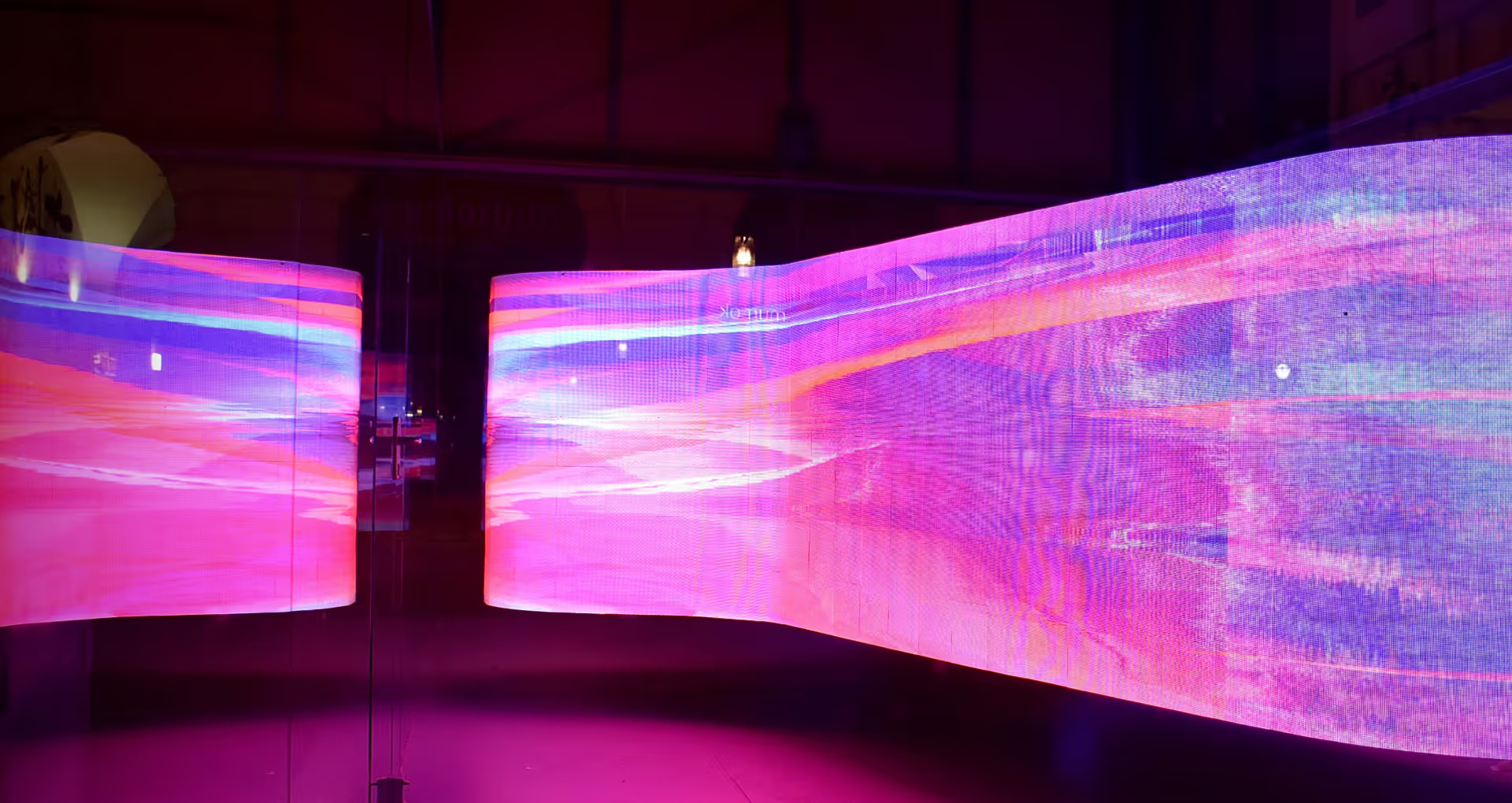
Comprising multiple screens tiled together to form one large, seamless display, video walls create stunning visual impact. They are frequently used in control rooms, retail flagships, entertainment venues, and corporate reception areas.
The Mechanics of Digital Signage
Hardware
This includes the physical screens (LCD, LED, OLED), media players, and mounting solutions. Commercial-grade displays are built for continuous operation and offer superior brightness and durability compared to consumer televisions.
Content Management System (CMS)
The CMS is the brain of the operation — a software platform that allows users to create, schedule, deploy, and manage content across their network of screens from a central location.

Network and Connectivity
Digital signage relies on a stable network connection (wired Ethernet, Wi-Fi, or cellular) to transmit content from the CMS to the media players, ensuring updates are pushed instantly.
Key Benefits for Australian Businesses
Dynamic visuals are inherently more captivating than static signs. Digital signage can significantly boost customer engagement, leading to increased dwell times and improved recall. The ability to update content instantly eliminates the costs and delays of printing and distributing traditional signage. Digital signage also provides a powerful platform for brand storytelling and can streamline operational processes across industries.
Australian Market Growth and Outlook
The Australian digital signage market reached USD 352.0 Million in 2025 and is projected to grow to USD 665.7 Million by 2034, exhibiting a CAGR of 7.12%. This growth is driven by increasing demand for interactive and personalised customer experiences across retail and hospitality sectors.
Getting Started
Begin by defining your objectives, assessing your environment, developing a content strategy, selecting appropriate hardware, choosing a robust CMS, and partnering with experienced professionals for installation and ongoing support.
Enjoy our insights? Add onQ Digital as a preferred source on Google to see more of our content in your search results.


Ready to start a conversation?
Speak with our team about digital signage, CMS software, or retail media infrastructure. We’ll help you scope, design, and deploy the right solution.

Digital signage, CMS software, retail media platforms, analytics, and managed services across Australia.
© 2026 onQ Digital. All rights reserved. Website by D&n