
Ultimate Guide to Digital Signage
A complete Australian guide to digital signage, including display types, CMS software, content strategy, installation, support, cost considerations and how to choose the right partner.
What is digital signage?
Digital signage is the use of commercial screens, displays and kiosks to show content that can be updated and managed remotely. It covers everything from a single menu board in a cafe to a national network of LED video walls, interactive kiosks and outdoor displays connected through a central content management system.
The screens used in digital signage are commercial-grade, not consumer televisions. They are built for extended operating hours, high ambient light, and the content management workflows of organisations that need to update messaging frequently and consistently across many locations.
Types of digital signage displays
The main display formats used in commercial digital signage are LCD screens, LED video walls, LED posters, transparent LED displays, interactive kiosks and outdoor digital signs. Each format suits different environments, viewing distances and content requirements.
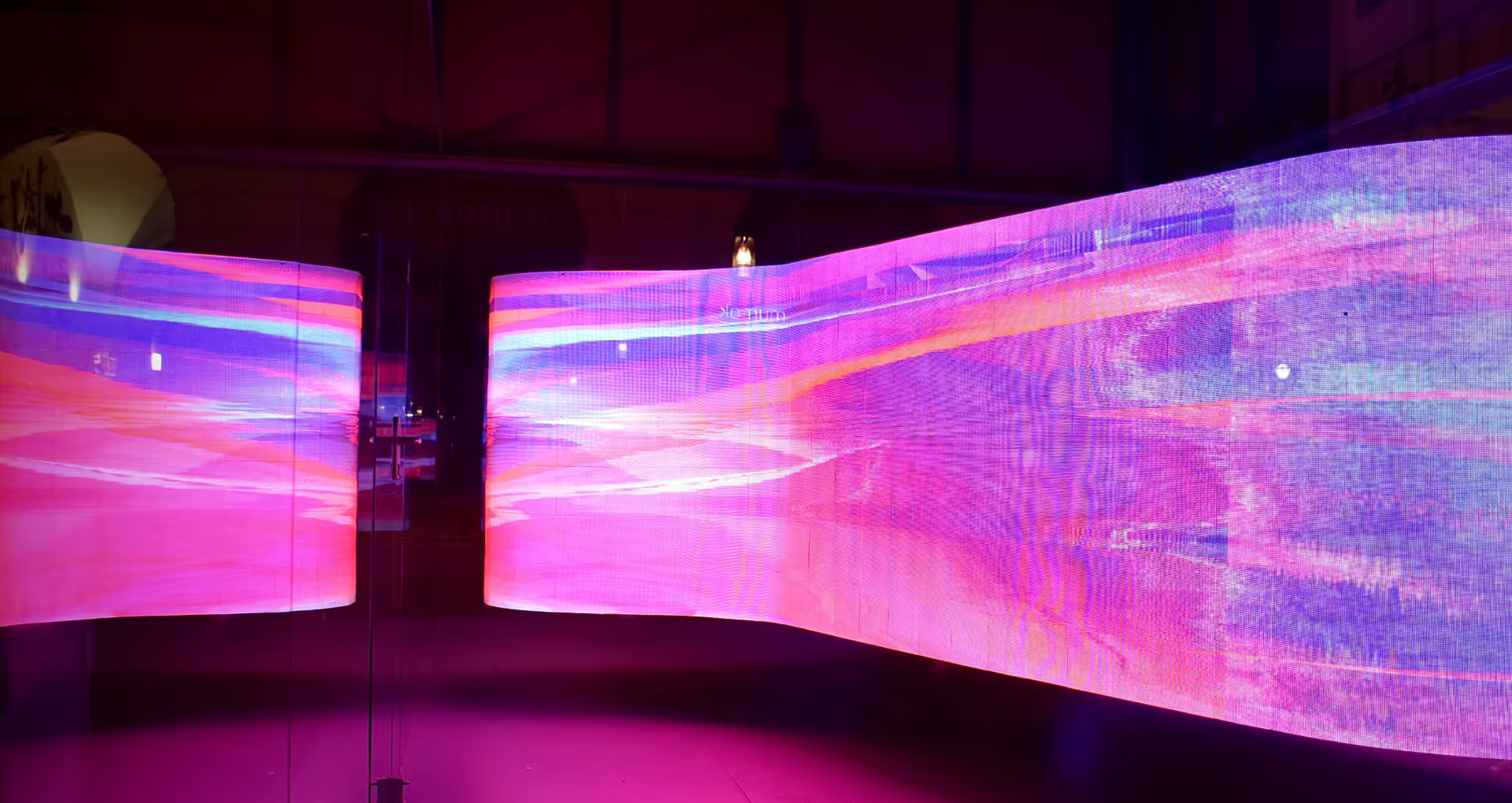
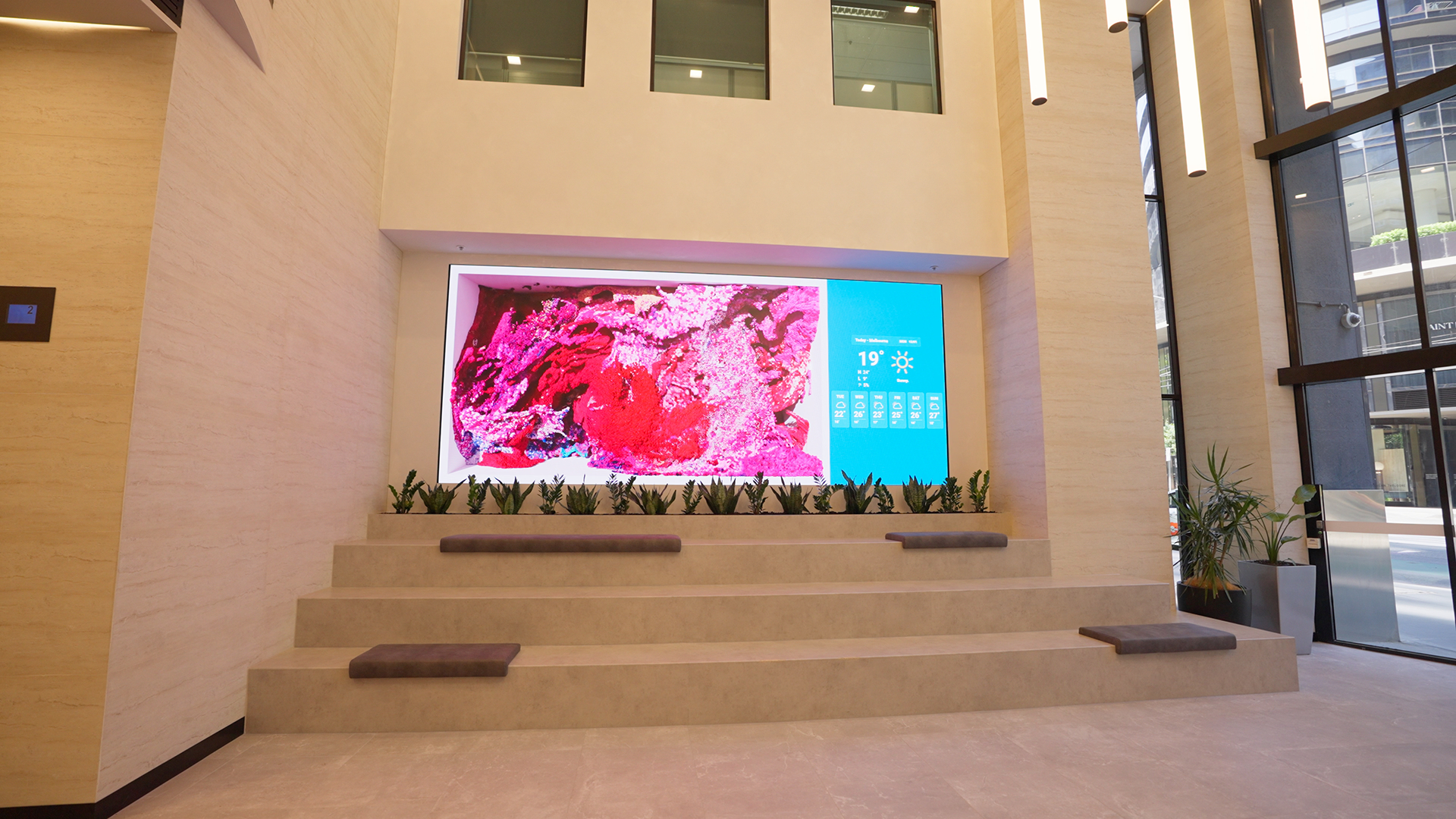
LCD is the most common format for general digital signage. It is cost-effective, available in a wide range of sizes and easy to install and replace. LED video walls are used where scale and visual impact matter more than cost, such as flagship retail stores, corporate lobbies and dealership showrooms. Transparent LED is used where a display needs to sit on glass without blocking the view behind it. Interactive kiosks are used where the audience needs to engage with the content, such as wayfinding, product discovery and self-service applications.
How digital signage works
A digital signage network has three main components: the display hardware (screens, mounts and cabling), the media player (the device that receives and plays content on the screen) and the content management system (the software platform used to upload, schedule and manage content across all screens).
The CMS is what makes digital signage manageable at scale. Without it, updating content on multiple screens requires physical access to each one. With a good CMS, a head office team can push content to thousands of screens across the country from a single interface, schedule campaigns by time and location, and monitor the status of every connected device.
Digital signage vs static signage
| Factor | Static signage | Digital signage |
|---|---|---|
| Content update | Requires physical replacement of printed materials. | Updated remotely through the CMS at any time. |
| Multi-location management | Separate print run and distribution for each site. | One CMS update applies to all connected locations. |
| Campaign flexibility | Fixed until the next print cycle. | Content can change daily, hourly or in real time. |
| Upfront cost | Lower for initial production. | Higher upfront for screens, players and installation. |
| Ongoing cost | Grows with update frequency. | Low incremental cost for content changes once installed. |
| Media revenue | No advertising capability without third-party placement. | Screens can generate revenue through supplier-funded campaigns. |
Where digital signage is used
Digital signage is used across retail, corporate, automotive, hospitality, healthcare, education, transport and public environments. Each environment uses digital signage differently depending on the audience, the content and the commercial goals.
In retail, digital signage promotes products, guides customers and increasingly carries supplier-funded advertising. In corporate environments, it covers lobby communications, internal messaging and wayfinding. In automotive dealerships, it supports vehicle launches and brand presentation. In hospitality, it handles menus, service information and event content.
Who provides digital signage in Australia
Digital signage in Australia is delivered by companies that combine hardware supply, installation, content management software and ongoing support. The right provider depends on the scale of the project, the industry and whether the client needs a managed service or wants to run the network internally.
onQ Digital Group delivers end-to-end digital signage for Australian organisations, including hardware specification, installation, onQ CMS software, content support and ongoing managed services. Projects range from single-site retail stores to national multi-location rollouts for major retailers, automotive groups and corporate clients.
Frequently asked questions
What is the difference between digital signage and a smart TV?
Commercial digital signage displays are built for extended operating hours, high ambient light, remote content management and serviceability. Smart televisions are designed for home use and lack the brightness, lifespan and connectivity required in commercial environments.
How much does digital signage cost in Australia?
Costs vary widely depending on the display format, screen size, installation complexity and CMS requirements. A single commercial LCD screen fully installed may cost from $2,000 to $8,000. An LED video wall project may range from $20,000 to $300,000 or more depending on size and pixel pitch.
Does digital signage need a content management system?
For any network with more than one screen, a CMS is essential. It allows content to be updated centrally, scheduled by time and location, and monitored across all connected devices.
Enjoy our insights? Add onQ Digital as a preferred source on Google to see more of our content in your search results.
Commonly asked Questions
Digital signage refers to the use of digital screens such as LCD, LED, or other display technologies to showcase content in public or commercial environments. It ranges from a single display in a café to extensive multi-site screen networks managed through a CMS platform like onQ CMS. Content can include videos, animations, static images, data-driven updates, and interactive features, all remotely controlled and scheduled for maximum impact.
Commercial displays differ from consumer TVs by being engineered for continuous operation, often 16 to 24 hours daily, and for use in challenging environments with higher ambient light. They offer greater brightness levels, support both landscape and portrait orientations, have narrower bezels, and come with commercial-grade warranties and support. onQ Digital exclusively supplies commercial-grade digital signage hardware to ensure reliability and performance in public and retail settings.
Choosing the right digital signage starts with defining your communication objectives and understanding your environment, whether indoor or outdoor with high ambient light. Consider factors such as screen size, viewing distance, content type—whether static, video, or interactive—and whether you need a single-site or multi-site network. onQ Digital’s expertise ensures you select the appropriate commercial-grade hardware and the onQ CMS software to meet your specific business needs and budget.


Ready to start a conversation?
Speak with our team about digital signage, CMS software, or retail media infrastructure. We’ll help you scope, design, and deploy the right solution.

Digital signage, CMS software, retail media platforms, analytics, and managed services across Australia.
© 2026 onQ Digital. All rights reserved. Website by D&n