
Transparent LED Screens: Use Cases, Costs, and Buying Guide
Transparent LED screens are revolutionising visual communication, offering a unique blend of dynamic display and unobstructed views. This guide delves into their technology, applications, and crucial considerations for Australian businesses.

Transparent LED screens are an innovative display technology that refers to digital screens capable of showing vivid content while allowing light and images behind the screen to remain visible. This unique characteristic enables businesses to integrate dynamic visual messaging without obstructing views, making them ideal for applications where both transparency and digital communication are essential. In Australia, transparent LED technology is increasingly adopted across retail, corporate, automotive, and architectural sectors, offering immersive customer experiences and enhancing brand visibility with minimal physical intrusion.
How Transparent LED Technology Works
Transparent LED screens achieve their distinctive see-through effect by using micro-LEDs mounted on a substrate that is highly permeable to light. Unlike traditional LED displays that rely on solid panels, transparent screens consist of tiny LEDs arranged in a grid with substantial gaps between them. These gaps allow natural light or background visuals to pass through, creating a near-invisible display when the screen is not active.
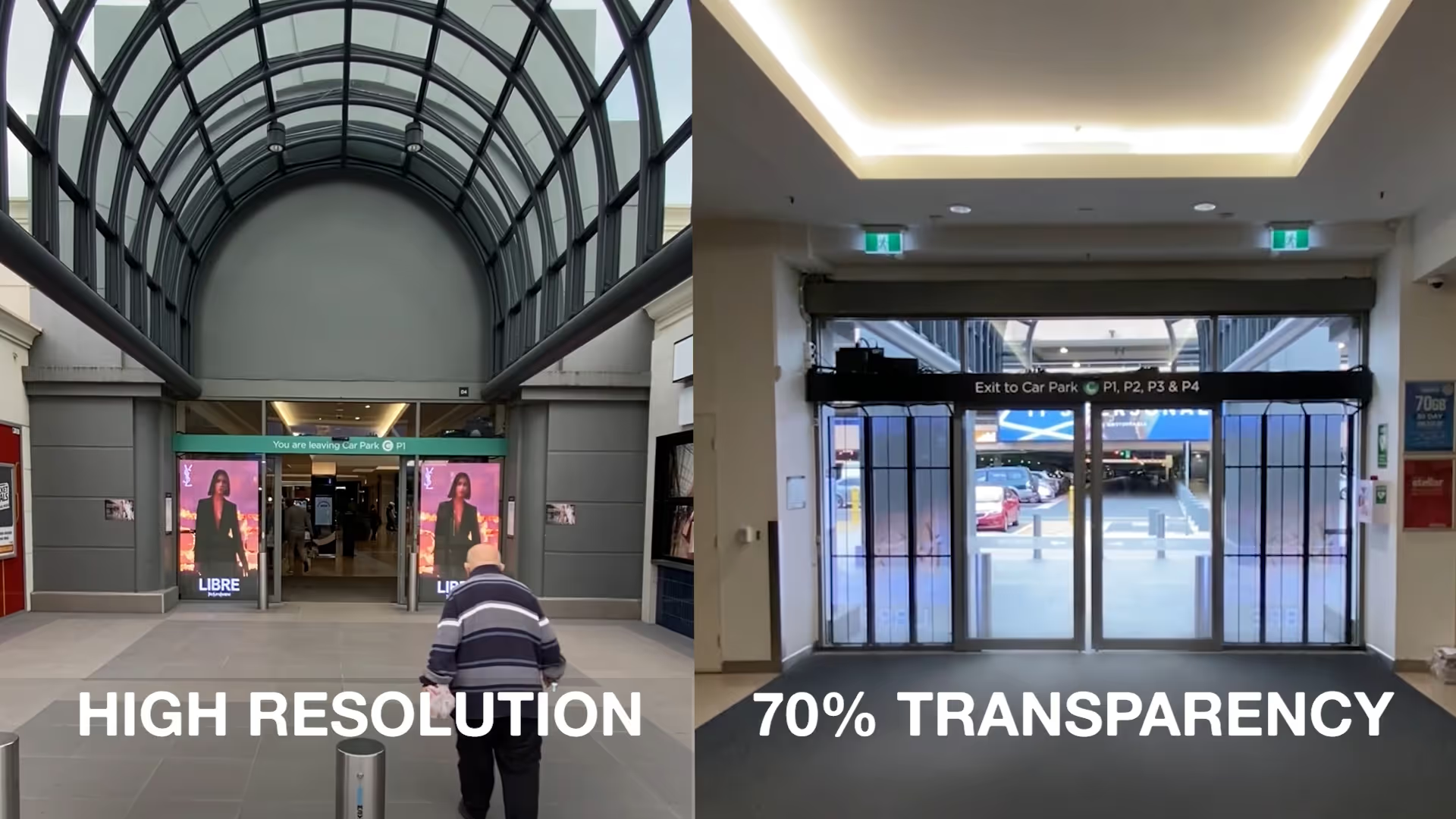
The transparency rate of these screens typically ranges from 55% to 90%, meaning that a significant portion of light can pass through the display. This transparency is a critical factor for applications such as retail window displays, where natural daylight and clear sightlines into the store interior must be preserved. When content is displayed, the LEDs illuminate selectively, producing bright, high-contrast images that appear to float in mid-air, blending seamlessly with the environment.
At the core of transparent LED technology is the balance between pixel density, brightness, and transparency. The pixel pitch—measured in millimetres—determines the density of LED pixels on the screen. Smaller pixel pitches (e.g., P2.5mm) offer higher resolution and are suitable for close viewing distances, while larger pitches (up to P10mm) are better for installations where viewers observe from farther away.
Brightness is another key specification. For outdoor or semi-outdoor applications in Australia’s often bright and sunny climate, transparent LED screens typically require a brightness level between 4,000 and 5,000 nits to ensure content remains visible and vibrant even under direct sunlight. This level of brightness, combined with UV-resistant materials and weatherproofing, makes these screens durable and reliable for diverse environments.
Key Specifications to Consider
When selecting transparent LED screens, several technical specifications must be evaluated to ensure the display meets the intended use case and environmental conditions:
Transparency Percentage
The transparency percentage indicates how much of the background light passes through the screen. Higher transparency is essential for retail window installations where it’s important to maintain visibility into the store while still delivering impactful digital content. Transparency rates of 70% or more are common in these scenarios, allowing displays to act as both signage and a window.
Brightness
Brightness is measured in nits and determines how well the screen performs in ambient light conditions. Australian outdoor environments require high-brightness transparent LED screens to compete with sunlight. Screens with 4,000 to 5,000 nits ensure content remains clear and compelling, avoiding washed-out images during daylight hours.

Pixel Pitch and Resolution
Pixel pitch affects both the resolution and optimal viewing distance. A smaller pixel pitch results in sharper images and is preferable for applications where viewers stand close to the screen, such as corporate glass partitions or automotive showroom displays. Larger pixel pitches are suited for building facades or retail window displays viewed from a distance.
Durability and Weatherproofing
For outdoor or semi-outdoor installations, the screen’s ability to withstand environmental factors like UV exposure, rain, and temperature fluctuations is vital. Transparent LED screens designed for Australian conditions incorporate weatherproof materials and coatings to ensure longevity and consistent performance.
Australian Use Cases for Transparent LED Screens
Transparent LED displays have found diverse applications across multiple sectors in Australia, where their blend of visibility and digital impact offers unique advantages.
Retail Window Displays
One of the most prominent uses of transparent LED technology is in retail window displays. Australian retailers, including prominent department stores like David Jones, use transparent LED screens to transform their shopfronts into dynamic advertising platforms. These screens allow retailers to promote products, seasonal campaigns, or brand stories without blocking the view into the store, maintaining an inviting atmosphere for passersby.
onQ Digital Group has extensive expertise in deploying transparent LED solutions that integrate with retail media strategies, enabling seamless content updates and targeted promotions through their onQ CMS platform. This capability allows retailers to manage content remotely and adapt messaging quickly to market demands.
.png)
Corporate Glass Partition Branding
In corporate environments, transparent LED screens are used to enhance glass partitions with branded messaging or informational content without compromising open-plan office aesthetics. This form of digital signage delivers communication effectively while preserving natural light flow and spatial transparency.
onQ Digital Group supports corporate clients by designing LED signage solutions that complement office interiors and facilitate engaging employee or visitor experiences. Their LED video wall and LED MIP technologies can be customised to fit partition dimensions and integrate with existing AV infrastructure.
Architectural and Façade Installations
Transparent LED screens are increasingly employed in architectural applications, turning building facades into monumental canvases for branding, art, or public messaging. The transparency allows the structural aesthetics of glass buildings to remain visible while adding dynamic content that can change with campaigns or events.
Automotive Showrooms
Automotive dealerships leverage transparent LED screens to highlight vehicle features and specifications directly on glass partitions or showroom windows. This interactive approach enhances customer engagement by combining physical product displays with digital content, providing detailed information without distracting from the actual vehicles.
onQ Digital Group’s experience in the automotive sector includes deploying LED Freestanding displays and transparent LED solutions tailored to showroom environments, allowing for flexible content management and optimal visual impact.
Costs and Return on Investment (ROI)
The cost of transparent LED screens in Australia typically ranges between AUD $2,000 and $6,000 per square metre. Several factors influence this price, including pixel pitch, transparency rate, brightness level, and the quality of components used. Higher resolution and greater brightness generally increase costs, as do specialised weatherproofing features for outdoor use.
While the initial investment in transparent LED technology can be substantial, the long-term benefits often justify the expenditure. The ability to display dynamic, changeable content eliminates the recurring costs of printed signage and enables agile marketing strategies that respond rapidly to consumer trends or promotions.
Moreover, the aesthetic appeal and technological novelty of transparent LED screens differentiate businesses from competitors, attracting tech-savvy consumers and enhancing brand perception. When combined with onQ Digital Group’s content management solutions and network optimisation services, businesses can maximise the impact and efficiency of their digital signage investment.

Installation and Maintenance Considerations
Installing transparent LED screens requires specialised expertise to ensure panels are mounted accurately and securely, often onto existing glass structures or custom frameworks. Precise alignment is crucial to maintain the transparency effect and visual uniformity across the display.
onQ Digital Group provides comprehensive deployment services, including site assessment, installation by qualified technicians, and integration with digital signage software platforms like onQ CMS. Their teams ensure that installations comply with Australian standards and are optimised for the local environment.
Maintenance involves regular cleaning and inspection to preserve screen transparency and brightness. Modular screen designs enable easy replacement of individual LED strips or panels, reducing downtime and repair costs. For outdoor applications, weatherproofing and UV resistance are vital to protect components from degradation.
Remote monitoring capabilities offered by onQ’s management tools allow proactive identification and resolution of issues, ensuring high uptime and consistent display performance.
Content Design for Transparent LED Displays
Effective content design is essential to harness the unique characteristics of transparent LED screens. Designers often use black or dark backgrounds because these areas appear transparent on the display, allowing the environment behind the screen to remain visible. This technique creates a layered, three-dimensional effect where digital information appears to float in space.
High-contrast visuals, vibrant colours, and dynamic animations work exceptionally well on transparent LED screens, capturing attention without overwhelming the viewer. Content should be tailored to the viewing environment, considering how natural light and objects behind the screen interact with the digital imagery.
onQ Digital Group’s content management expertise includes creating and scheduling content optimised for transparent LED technology, ensuring that messaging is both impactful and harmonious with the surrounding space. Their digital signage software enables easy updates, targeting, and analytics to maximise audience engagement.
FAQ: Transparent LED Screens
What is the typical lifespan of a transparent LED screen?
Transparent LED screens generally have a lifespan comparable to traditional LED displays, often exceeding 50,000 hours of operation. Lifespan depends on factors such as usage patterns, environmental conditions, and maintenance quality. onQ Digital Group ensures deployments use high-quality components and provides ongoing support to maximise screen longevity.
Can transparent LED screens be used outdoors in Australia?
Yes, transparent LED screens designed for outdoor use incorporate weatherproofing, UV resistance, and high brightness levels to withstand Australia’s diverse climate. onQ Digital Group specialises in deploying robust outdoor LED signage and transparent LED solutions suitable for harsh conditions while maintaining visual performance.
How does pixel pitch affect the viewing experience?
Pixel pitch determines the distance between individual LED pixels. Smaller pixel pitches provide higher resolution and finer image detail, ideal for close-range viewing, while larger pitches are suitable for displays viewed from a distance. Selecting the right pixel pitch is crucial to ensure content clarity and viewer comfort. onQ Digital Group advises clients on optimal specifications based on installation context.
What types of content work best on transparent LED screens?
Content that leverages contrast, vibrant colours, and animations performs best on transparent LED displays. Using dark or black backgrounds enhances transparency effects by allowing parts of the screen to appear invisible. Content should be designed to complement the physical environment behind the screen, creating immersive and engaging visual narratives. onQ Digital Group offers creative content design services tailored specifically for transparent LED technology.
How does onQ Digital Group support ongoing content management?
onQ Digital Group provides a comprehensive digital signage software platform, onQ CMS, which enables clients to remotely manage, schedule, and update content across their transparent LED networks. This platform supports real-time content changes, analytics, and integration with other marketing systems, ensuring that digital signage strategies remain agile and effective.
Contact onQ Digital Group for Transparent LED Expertise
If your business is considering transparent LED screens as part of its digital signage strategy, onQ Digital Group offers expert guidance from initial consultation through to installation, content management, and ongoing support. With proven experience across retail, corporate, automotive, and architectural sectors, onQ delivers tailored LED display solutions that maximise impact while preserving the transparency and aesthetics of your space.
Contact onQ Digital Group today to discuss your project requirements, explore transparent LED options, and discover how their end-to-end services can help you create captivating, future-ready digital displays that engage and inspire your audience.
Enjoy our insights? Add onQ Digital as a preferred source on Google to see more of our content in your search results.


Ready to start a conversation?
Speak with our team about digital signage, CMS software, or retail media infrastructure. We’ll help you scope, design, and deploy the right solution.

Digital signage, CMS software, retail media platforms, analytics, and managed services across Australia.
© 2026 onQ Digital. All rights reserved. Website by D&n