
How to Build an In-Store Retail Media Network in Australia
Learn practical steps to build an effective in-store retail media network in Australia, covering inventory audit, screen placement, CMS setup, proof-of-play, sales model, and measurement.
Introduction to In-Store Retail Media Networks
Definition: In-store retail media is the use of retailer-owned physical channels, such as digital screens, audio, LED displays and point-of-purchase media, to deliver paid or supplier-funded advertising inside stores. A strong network combines screen strategy, CMS scheduling, proof-of-play, measurement and governance so campaigns are reliable and commercially credible.
Building an effective in-store retail media network in Australia requires careful planning and execution across several critical areas. From conducting an inventory audit to establishing a robust content management system (CMS), each step ensures that the network delivers value to retailers, brands and customers alike.
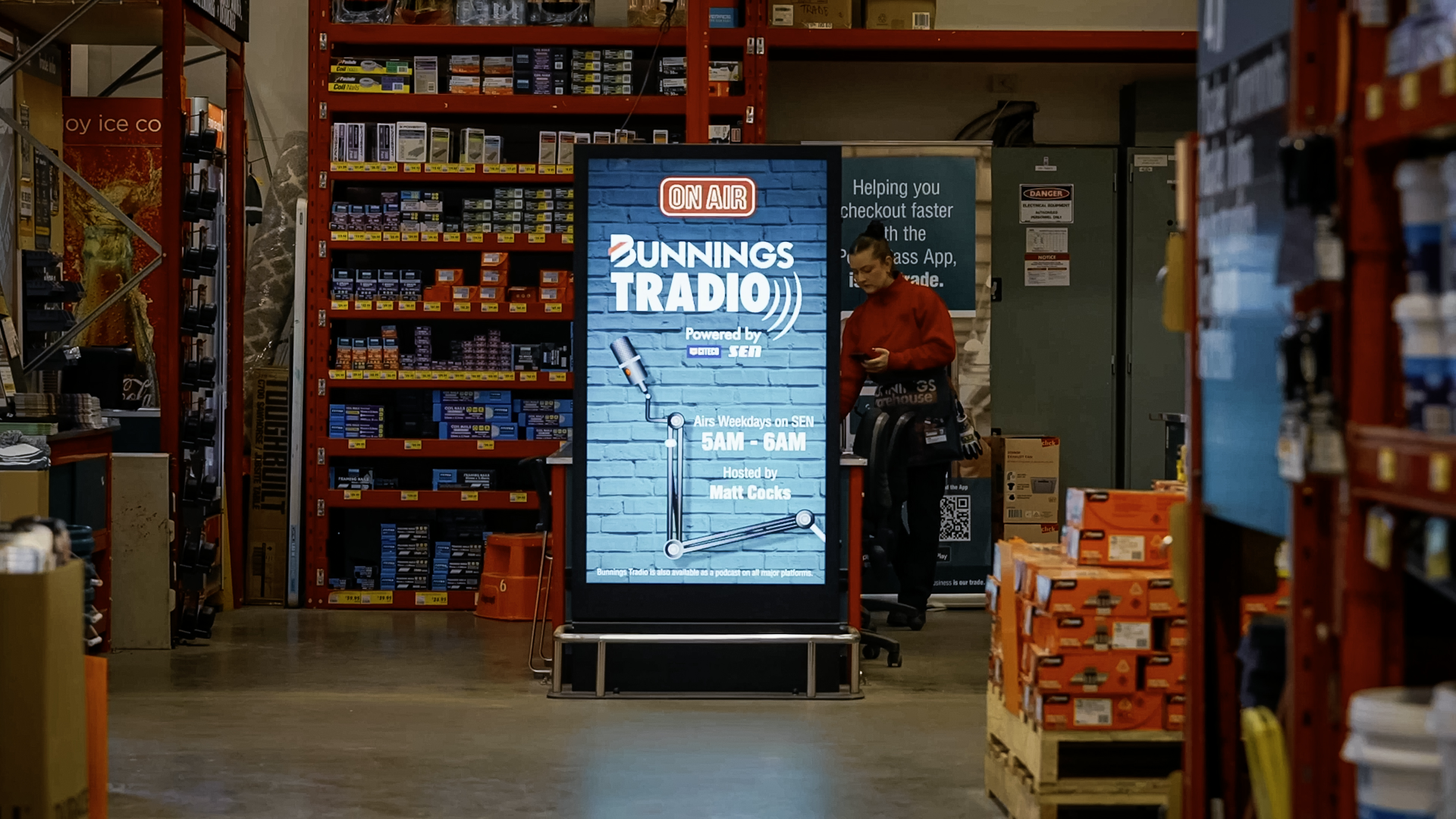
In this article, we will guide you through the essential stages of developing an in-store retail media network, including screen placement strategies, CMS setup, proof-of-play verification, sales models, and performance measurement. Along the way, we will reference practical examples such as the Bunnings retail media and digital signage network managed by onQ Digital Group, and link naturally to related resources like our digital signage software offerings.

Inventory Audit: Assessing Existing Assets and Opportunities
Before deploying any digital signage or retail media infrastructure, it is vital to conduct a comprehensive inventory audit. This involves cataloguing existing screens, network capabilities, power access points, and physical locations within the store. The audit should also identify potential areas for new screen installations to maximise shopper engagement.
Understanding the current hardware landscape helps in determining the scale of investment required and informs the design of the media network. It also uncovers any limitations such as outdated equipment or connectivity issues that need addressing.
| Audit Component | Description | Considerations |
|---|---|---|
| Screen Inventory | Count and specifications of existing digital displays | Screen size, resolution, age, and condition |
| Network Infrastructure | Existing wired/wireless connectivity | Bandwidth, reliability, and security |
| Power Availability | Power outlets and capacity near screen locations | Need for additional wiring or power upgrades |
| Physical Placement | Current and potential screen locations | Visibility, foot traffic, and environmental factors |
Performing this audit early ensures that the retail media network is built on a solid foundation, optimising the use of existing assets while planning for future enhancements.

Screen Placement: Maximising Impact and Reach
Strategic screen placement is crucial to the success of an in-store retail media network. Screens should be positioned where they capture the attention of shoppers without causing congestion or distraction.
Common placement areas include entrances, checkout zones, high-traffic aisles, and product category hotspots. The goal is to deliver relevant content at the right moment in the shopper journey.
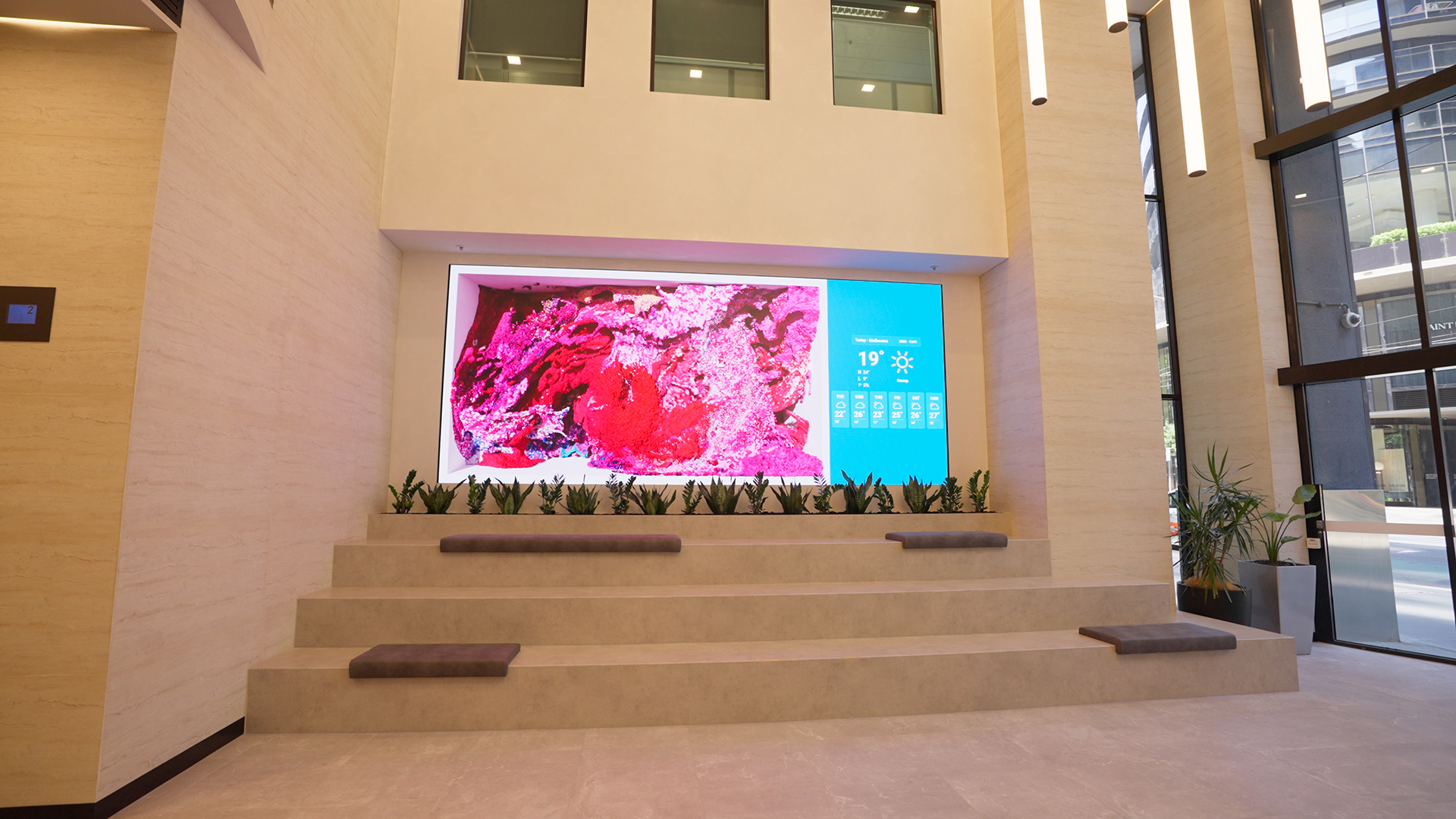
Consideration must be given to screen size and orientation, as well as ambient lighting and line of sight. For example, large format digital signage installations can be highly effective in open areas, while smaller displays might suit fitting rooms or service counters.
In Australia, retailers like Bunnings have successfully deployed extensive networks combining various screen types and placements to maximise shopper engagement and advertising revenue.
Placement Planning Table
| Location | Recommended Screen Type | Key Benefits |
|---|---|---|
| Store Entrance | Large format LED screens | High visibility, brand impact |
| Checkout Area | Medium-sized LCD displays | Last-minute promotions, impulse buys |
| Aisles and Endcaps | Small to medium screens | Targeted product messaging |
| Fitting Rooms | Small digital displays | Personalised content, upselling |

CMS Setup: Managing Content Efficiently
A robust content management system (CMS) is the backbone of any in-store retail media network. It enables centralised control over content scheduling, distribution, and updates across multiple screens and locations.
When setting up the CMS, it is important to consider user roles, content approval workflows, and integration capabilities with other retail systems. onQ Digital Group’s CMS solutions provide flexible options to manage diverse content types and formats, ensuring that the right message reaches the right audience at the right time.
Integration with digital signage software enhances the ability to automate content delivery based on factors such as time of day, store traffic, and promotional calendars.
Proof-of-Play: Verifying Content Delivery
Proof-of-play is a critical component that verifies content has been displayed as scheduled. This capability not only supports transparency with advertisers but also ensures compliance with campaign requirements.
Modern retail media networks incorporate proof-of-play logging within the CMS, capturing timestamps, screen ID, and content metadata. This data can be accessed for reporting and auditing purposes, providing confidence to stakeholders that campaigns are executed correctly.
Proof-of-play also assists in troubleshooting by identifying playback issues early, allowing for prompt resolution and minimising downtime.
Sales Model: Structuring Revenue Streams
Developing a sustainable sales model for an in-store retail media network involves defining pricing strategies, inventory allocation, and partner relationships.
Common approaches include selling advertising slots based on screen location and time, offering package deals for multiple stores, or partnering with brands for exclusive campaigns. Transparent reporting enabled by proof-of-play supports value justification to advertisers.
Retailers can also explore revenue sharing models or leverage the network for internal promotions and cross-selling opportunities.
Measurement: Evaluating Network Performance
Measuring the effectiveness of an in-store retail media network is essential for continuous improvement. Key performance indicators (KPIs) include audience reach, engagement metrics, sales uplift, and return on investment (ROI).
Measurement methods combine digital analytics from the CMS, shopper traffic data, and sales figures. Advanced networks may incorporate sensors or integration with point-of-sale systems to correlate content exposure with purchase behaviour.
Regular analysis of these metrics helps refine content strategies, optimise screen placement, and enhance the overall retail media offering.
Commercial handover and campaign operations
Once the pilot proves the basics, the retailer should define how campaigns move from sale to delivery. This includes the booking form, creative due dates, approval responsibilities, cancellation rules, proof-of-play export timing and post-campaign reporting cadence. Without this handover, the network may work technically but still feel difficult for media buyers and internal teams.
The handover should also define who resolves exceptions. A screen may be offline, a store may be under refurbishment, or a supplier may submit creative that does not meet format requirements. A clear workflow lets the retailer protect campaign commitments without asking store teams to make media decisions in the moment.
Frequently Asked Questions
What is the main benefit of in-store retail media networks?
They enable targeted, dynamic communication with shoppers, increasing engagement and driving sales through timely promotions and information.
How do I determine the best locations for screens in my store?
Conduct a foot traffic analysis and consider shopper behaviour to identify high-visibility, high-dwell areas such as entrances, checkouts, and product hotspots.
Can existing screens be integrated into a new retail media network?
Yes, an inventory audit helps assess compatibility, and many CMS platforms support a variety of hardware for seamless integration.
What role does proof-of-play play in retail media?
It verifies that content has been displayed as intended, providing transparency and accountability to advertisers and retailers.
How does the CMS support content management?
The CMS allows centralised scheduling, content updates, user management, and reporting, ensuring efficient operation of the media network.
Is it possible to measure the impact of retail media on sales?
Yes, by combining digital analytics with sales data and shopper insights, retailers can evaluate the effectiveness of campaigns and optimise accordingly.
What are common sales models for retail media networks?
Models include time-based advertising slots, package deals across stores, revenue sharing, and exclusive brand partnerships.
How scalable are in-store retail media networks?
They are highly scalable, allowing retailers to start with pilot locations and expand the network as demand and resources grow.
Operational readiness before launch
The strongest in-store retail media networks are built around operational readiness rather than advertising ambition alone. A retailer should know which screens are online, which sites have reliable connectivity, which formats need creative resizing, and which store teams may need support before paid campaigns begin. This prevents the media product from being undermined by avoidable delivery gaps.
Readiness also includes content hierarchy. Stores still need operational messages, safety notices, price communication, events and house brand content. Paid campaigns should be planned around that hierarchy, not layered over it without rules. onQ CMS workflows can support this by separating screen groups, scheduling windows and campaign priorities so that media activity does not compromise the customer experience.
From pilot to national rollout
A practical Australian rollout often starts with a pilot across high-confidence locations. The pilot should test screen placement, creative format, proof-of-play reporting, campaign approval, support response and buyer feedback. Once the retailer understands what works, the same operating model can be extended to more stores, more categories and more campaign packages.
The commercial team should be involved early, but so should IT, marketing, store operations and legal. In-store retail media touches brand standards, shopper experience, privacy expectations, device support and supplier relationships. A pilot that only tests whether screens can play an ad is not enough; it should prove that the network can be sold, delivered, measured and renewed.
What good documentation includes
Retailers should document the inventory map, naming conventions, CMS permissions, creative specifications, campaign approval steps, proof-of-play exports and escalation process. This documentation allows the network to scale beyond one specialist operator. It also gives agencies and suppliers clearer expectations when booking campaigns through /digital-signage-software and related retail media workflows.
Enjoy our insights? Add onQ Digital as a preferred source on Google to see more of our content in your search results.

.avif)
Ready to start a conversation?
Speak with our team about digital signage, CMS software, or retail media infrastructure. We’ll help you scope, design, and deploy the right solution.

Digital signage, CMS software, retail media platforms, analytics, and managed services across Australia.
© 2026 onQ Digital. All rights reserved. Website by D&n