
The Future of Retail: How Digital Signage Is Transforming In-Store Experiences
Retail digital signage is transforming modern stores through LED displays, real time content and data driven messaging that improves engagement and operational efficiency.

Digital signage in retail refers to the use of digital display technologies to enhance the in-store shopping experience, providing dynamic content that informs, entertains, and influences customers. This transformative approach is reshaping how retailers interact with their audiences, shifting from static signage to interactive, data-driven displays that drive engagement and sales. As the retail environment evolves, digital signage is becoming an indispensable tool for brands aiming to deliver personalised experiences, promote products effectively, and streamline store operations. onQ Digital Group, with its comprehensive expertise in digital signage solutions and content management, plays a pivotal role in helping retailers navigate this future-ready landscape.
Understanding the Role of Digital Signage in Modern Retail
At its core, digital signage in retail involves deploying screens such as LED video walls, freestanding LED displays, and outdoor LED billboards to showcase content that is engaging, timely, and relevant. Unlike traditional printed signs, digital signage allows retailers to update messaging instantly, tailor content to specific audiences, and even integrate real-time data for personalised experiences. This flexibility is crucial in today’s fast-paced retail environment, where customer expectations for immediacy and relevance are higher than ever.
Retailers across sectors—including fashion, technology, automotive, and corporate environments—are increasingly adopting digital signage to create immersive environments. For example, prominent department stores like David Jones utilise LED signage to highlight promotions and guide customer journeys, while automotive showrooms leverage large-format LED video walls to showcase vehicle features dynamically. onQ Digital’s expertise in deploying and managing these technologies ensures that retailers can maximise the impact of their digital signage investments.
Key Benefits of Digital Signage for Retailers
Digital signage offers a multitude of benefits for retailers, ranging from enhanced customer engagement to operational efficiencies. One major advantage is the ability to deliver personalised content driven by artificial intelligence and data analytics. This means that retailers can display targeted promotions or product recommendations based on customer demographics, time of day, or even weather conditions, increasing the likelihood of purchase and customer satisfaction.
Another critical benefit lies in the integration of digital signage with retail media strategies. By incorporating digital signage into a broader retail media ecosystem, retailers can create cohesive campaigns that span in-store displays, online platforms, and social media channels. This omnichannel approach not only amplifies brand messaging but also provides valuable insights into customer behaviour, which can be analysed through platforms like onQ CMS. onQ Digital’s content management system supports this by enabling seamless content scheduling, real-time updates, and comprehensive analytics, empowering retailers to optimise campaigns efficiently.
From an operational perspective, digital signage reduces reliance on printed materials, cutting costs and environmental impact. It also facilitates faster communication of critical information to staff and customers alike, such as safety messages or inventory updates, which is particularly beneficial in fast-moving retail environments.

Innovative Technologies Driving Retail Digital Signage
The rapid advancement of display technologies has significantly expanded the capabilities of retail digital signage. LED technology, for instance, offers bright, vivid visuals that are visible even in challenging lighting conditions, making it ideal for both indoor and outdoor applications. onQ Digital specialises in LED video wall solutions and LED MIP displays, which deliver high-resolution content with exceptional colour accuracy and energy efficiency.
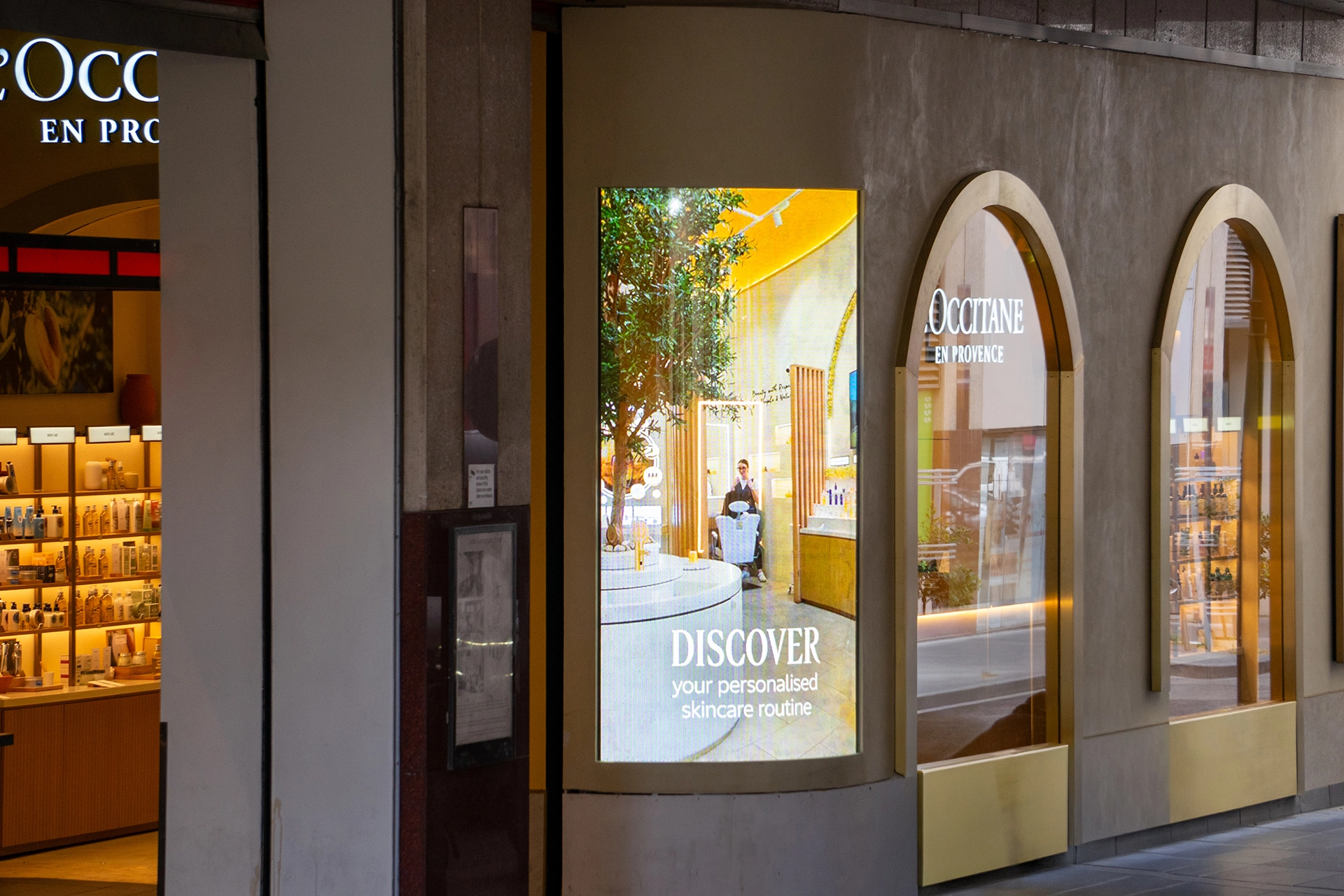
Transparent LED displays represent another exciting innovation, allowing retailers to integrate digital content without obstructing sightlines or store aesthetics. This technology is particularly useful in premium retail environments or flagship stores where maintaining a clean, modern look is essential.
Furthermore, advances in digital signage software and content management systems like onQ CMS enable retailers to orchestrate complex networks of screens across multiple locations. This centralised control ensures consistent messaging while allowing for localisation and rapid content changes in response to market trends or inventory fluctuations.
How to Choose the Right Digital Signage Solution for Your Retail Store
Selecting the appropriate digital signage solution requires careful consideration of several factors. First, retailers must assess their specific objectives—whether it’s driving sales, improving brand awareness, or enhancing customer experience. This will influence the type of display technology needed, such as LED video walls for high-impact visuals or freestanding LED units for flexible placement.
The physical environment is also critical. Indoor stores may prioritise sleek, high-definition screens, while outdoor locations require robust, weather-resistant LED billboards. onQ Digital offers a range of solutions tailored to different retail environments, ensuring optimal performance regardless of location.
Integration capabilities should not be overlooked. Retailers should seek digital signage software that supports omnichannel campaigns and real-time data integration. onQ CMS excels in this area, providing a user-friendly interface for content scheduling and network optimisation, making it easier to manage complex deployments.
Lastly, ongoing support and scalability are essential. Retailers need a partner who can provide technical assistance, software updates, and help scale the digital signage network as business needs evolve. onQ Digital’s comprehensive support services and expertise across retail, corporate, and automotive sectors make it a trusted choice for retailers looking to future-proof their digital signage investments.
Case Examples: Digital Signage in Action Across Retail Sectors
Leading Australian retailers have embraced digital signage to elevate their customer experience and operational effectiveness. For instance, department stores like David Jones have integrated LED video walls and dynamic digital displays to create engaging in-store environments that highlight seasonal promotions and brand stories. This approach not only attracts shoppers but also encourages longer dwell times and increased spend.
In the automotive sector, companies such as Mitsubishi utilise large-format LED signage to showcase vehicle features and promotional offers in showrooms, creating an immersive and informative experience for potential buyers. This use of digital signage supports sales teams by providing visual aids that complement product demonstrations.
Outdoor LED billboards and freestanding LED displays also play a significant role in retail media strategies, enabling retailers to extend their reach beyond store walls. onQ Digital’s expertise in deploying these solutions ensures high visibility and impact, even in busy urban environments.

Future Trends in Retail Digital Signage
As technology continues to evolve, several trends are set to shape the future of retail digital signage. Artificial intelligence and machine learning will increasingly power personalised content delivery, allowing retailers to engage customers with hyper-targeted messaging that adapts in real time. This will enhance the relevance of in-store promotions and improve conversion rates.
Augmented reality (AR) and interactive displays will also become more prevalent, offering shoppers novel ways to explore products and brands. Combining AR with digital signage can create immersive experiences that blend physical and digital retail, driving deeper customer engagement.
Additionally, sustainability will influence digital signage strategies, with retailers seeking energy-efficient LED solutions and environmentally friendly content management practices. onQ Digital’s focus on energy-efficient LED technology aligns with these priorities, helping retailers reduce their carbon footprint while maintaining high-quality displays.
FAQ: Common Questions About Retail Digital Signage
What types of digital signage are best suited for retail environments?
Retail environments benefit from a variety of digital signage types depending on the application. LED video walls are ideal for high-impact visuals in flagship stores, while freestanding LED displays offer flexibility for promotional messaging and wayfinding. Outdoor LED billboards are effective for broad audience reach. The choice depends on factors such as store layout, target audience, and marketing objectives.
How does onQ CMS improve digital signage management?
onQ CMS is a powerful digital signage software platform that enables retailers to centrally manage content across multiple screens and locations. It supports real-time updates, scheduling, and analytics, allowing retailers to tailor messaging to specific audiences and measure campaign effectiveness. This streamlines operations and enhances the agility of retail media campaigns.
Can digital signage integrate with other retail technologies?
Yes, digital signage can be integrated with various retail technologies such as point-of-sale systems, inventory management, and customer analytics platforms. This integration allows for dynamic content based on stock levels, customer profiles, or purchasing behaviour, creating a seamless omnichannel experience. onQ Digital’s solutions are designed to support such integrations, enhancing overall retail operations.

What maintenance and support are required for retail LED signage?
Maintaining LED signage involves regular cleaning, software updates, and hardware inspections to ensure optimal performance. onQ Digital provides comprehensive support services including installation, network optimisation, and ongoing maintenance to minimise downtime and extend the lifespan of digital signage assets.
How can retailers measure the effectiveness of their digital signage campaigns?
Effectiveness can be measured through analytics tools embedded in digital signage software like onQ CMS, which track metrics such as audience engagement, dwell time, and conversion rates. These insights enable retailers to refine content strategies, optimise scheduling, and improve ROI on digital signage investments.
Partner with onQ Digital Group to Lead the Future of Retail
As digital signage continues to transform the retail landscape, partnering with an experienced provider like onQ Digital Group is essential to unlocking its full potential. With proven expertise in LED display solutions, retail media strategies, and advanced content management through onQ CMS, onQ Digital supports retailers from initial strategy and deployment through to ongoing optimisation and support.
Whether you are looking to implement high-impact LED video walls, integrate personalised content across multiple locations, or enhance your retail media campaigns, onQ Digital offers the tailored solutions and industry knowledge to help you succeed. Contact onQ Digital Group today to discuss how digital signage can elevate your in-store experiences and position your retail business for long-term growth.
Enjoy our insights? Add onQ Digital as a preferred source on Google to see more of our content in your search results.



Ready to start a conversation?
Speak with our team about digital signage, CMS software, or retail media infrastructure. We’ll help you scope, design, and deploy the right solution.

Digital signage, CMS software, retail media platforms, analytics, and managed services across Australia.
© 2026 onQ Digital. All rights reserved. Website by D&n