
The Future of Digital Signage in Restaurants
Digital signage in restaurants helps businesses update menus instantly promote specials increase average order value and create engaging dining experiences.

Digital signage in restaurants is a technology-driven communication medium that uses digital displays to present menus, promotions, entertainment, and advertising content. It replaces traditional static signage with dynamic, easily updateable screens that enhance customer engagement and operational efficiency. This post explores how digital signage is shaping the future of the Australian restaurant and food service industry, highlighting practical applications, technological considerations, and strategic opportunities for businesses seeking to modernise their venues.
Understanding Digital Signage in the Restaurant Industry
Digital signage refers to the use of electronic displays such as LCD, LED, and projection screens to convey information and advertising in public spaces. In restaurants, these digital screens serve multiple purposes, from displaying menus and specials to entertaining guests and facilitating advertising partnerships. Unlike static printed signs, digital signage offers real-time content management, enabling restaurants to adapt quickly to changing conditions such as menu updates, pricing adjustments, or promotional campaigns.
Within the Australian context, digital signage is increasingly prevalent across various types of food service venues, including quick-service restaurants (QSRs), fast-casual dining, fine dining establishments, and pub groups. Each segment leverages digital signage differently according to operational needs, customer expectations, and venue design.
Key Applications of Digital Signage in Restaurants
Digital Menu Boards: The Foundation of Modern Restaurant Signage
Digital menu boards are the most common and foundational application of digital signage in restaurants. They replace traditional printed or static illuminated menus with vibrant, dynamic displays that can be updated instantly. Using a centralised digital signage software platform such as onQ CMS, restaurant operators can manage multiple menu boards across one or many locations from a single interface.
This real-time update capability means that restaurants can add or remove menu items, adjust prices, and promote daily specials or limited-time offers without the cost or delay associated with reprinting physical menus. Additionally, digital menu boards can adapt content based on the time of day (dayparting), displaying breakfast menus in the morning and switching to lunch or dinner options later. This flexibility improves customer experience by providing accurate and relevant information at all times.
From a technical perspective, digital menu boards typically utilise high-resolution LED or LCD displays with sufficient brightness to ensure readability in various lighting conditions. onQ Digital Group specialises in deploying these solutions, ensuring that content is optimised for clarity and visual appeal while maintaining seamless integration with existing point-of-sale (POS) and content management systems.
Drive-Through Digital Signage: Overcoming Unique Challenges
Drive-through lanes are critical revenue generators for many QSRs and fast-food outlets, making digital signage in this environment particularly impactful. However, drive-through digital signage presents specific technical challenges that demand specialised solutions.
One of the primary challenges is the need for extremely high brightness levels to maintain screen visibility in direct sunlight and variable weather conditions. Commercial outdoor displays with brightness ratings exceeding 3,500 nits are essential. Additionally, these displays must be weatherproofed to withstand Australia’s diverse climate, including rain, UV exposure, and temperature fluctuations.
onQ Digital Group’s expertise includes deploying high-brightness outdoor LED signage with robust enclosures designed for Australian outdoor conditions. These solutions ensure that drive-through digital menu boards and promotional screens perform reliably year-round, minimising downtime and enhancing customer satisfaction.
Fast content response times are also critical in drive-through environments to reduce queue times and improve order accuracy. Digital signage software integrated with POS systems allows for near-instantaneous updates, ensuring that customers see the most current menu and pricing information.

In-Venue Entertainment and Engagement Screens
Beyond menus, digital signage enhances the overall dining experience through in-venue entertainment and engagement screens. These displays can be strategically placed in dining areas, bar zones, and waiting spaces to showcase branded content, live sports, news, or entertainment programming.
In sports bars and entertainment venues, large-format LED video walls are a central feature, delivering immersive viewing experiences that encourage longer dwell times and increased spending. onQ Digital Group offers advanced LED video wall solutions that are scalable and configurable to suit various venue sizes and layouts. These displays provide bright, crisp images visible from multiple angles, creating a compelling atmosphere for patrons.
In addition to entertainment, these screens can communicate promotional messaging, loyalty program information, or upcoming events, effectively turning passive wait times into active engagement opportunities. Content management platforms like onQ CMS enable operators to schedule and tailor content dynamically, ensuring relevance and freshness.
Supplier Revenue Opportunities Through Digital Advertising
Restaurants and food service venues with extensive digital screen networks can unlock new revenue streams by monetising their inventory through supplier advertising. By selling advertising space to food and beverage suppliers, venues can offset operational costs or generate additional income.
onQ Digital Group facilitates this process through its programmatic supply-side platform (SSP), which connects venue screen inventory to brand advertisers via a network of demand-side platforms (DSPs). This integration allows for highly targeted, data-driven advertising campaigns that can be managed and reported at the campaign level, providing transparency and measurable outcomes for advertisers.
This approach benefits both venues and suppliers. Venues gain incremental revenue while suppliers reach consumers at the point of purchase with tailored messaging, promotions, and product education. The digital format also allows for rapid campaign adjustments based on performance and seasonal trends.
Choosing the Right Digital Signage Solution for Your Restaurant
Selecting the appropriate digital signage solution involves considering several key factors including venue type, customer demographics, environmental conditions, and integration requirements. The choice of display technology, content management system, and deployment strategy should align with the restaurant’s operational goals and brand identity.
For indoor applications such as dining rooms or bars, LED or LCD displays with moderate brightness and high resolution are typically sufficient. For outdoor or drive-through environments, ruggedised high-brightness LED signage is necessary to ensure visibility and durability.
Integration with existing systems is another essential consideration. A platform like onQ CMS offers centralised content management, scheduling, and reporting capabilities that streamline operations and reduce manual effort. It also supports multi-site management, enabling consistent brand messaging across franchise networks or multiple venues.
When planning deployment, it’s important to evaluate installation logistics, power availability, and connectivity options. onQ Digital Group provides comprehensive project management and support services, ensuring seamless installation, configuration, and ongoing maintenance.

Emerging Trends Shaping the Future of Restaurant Digital Signage
The digital signage landscape is evolving rapidly, influenced by technological advancements and changing consumer behaviours. Several emerging trends are poised to redefine how restaurants use digital displays.
Interactive and Touchscreen Displays
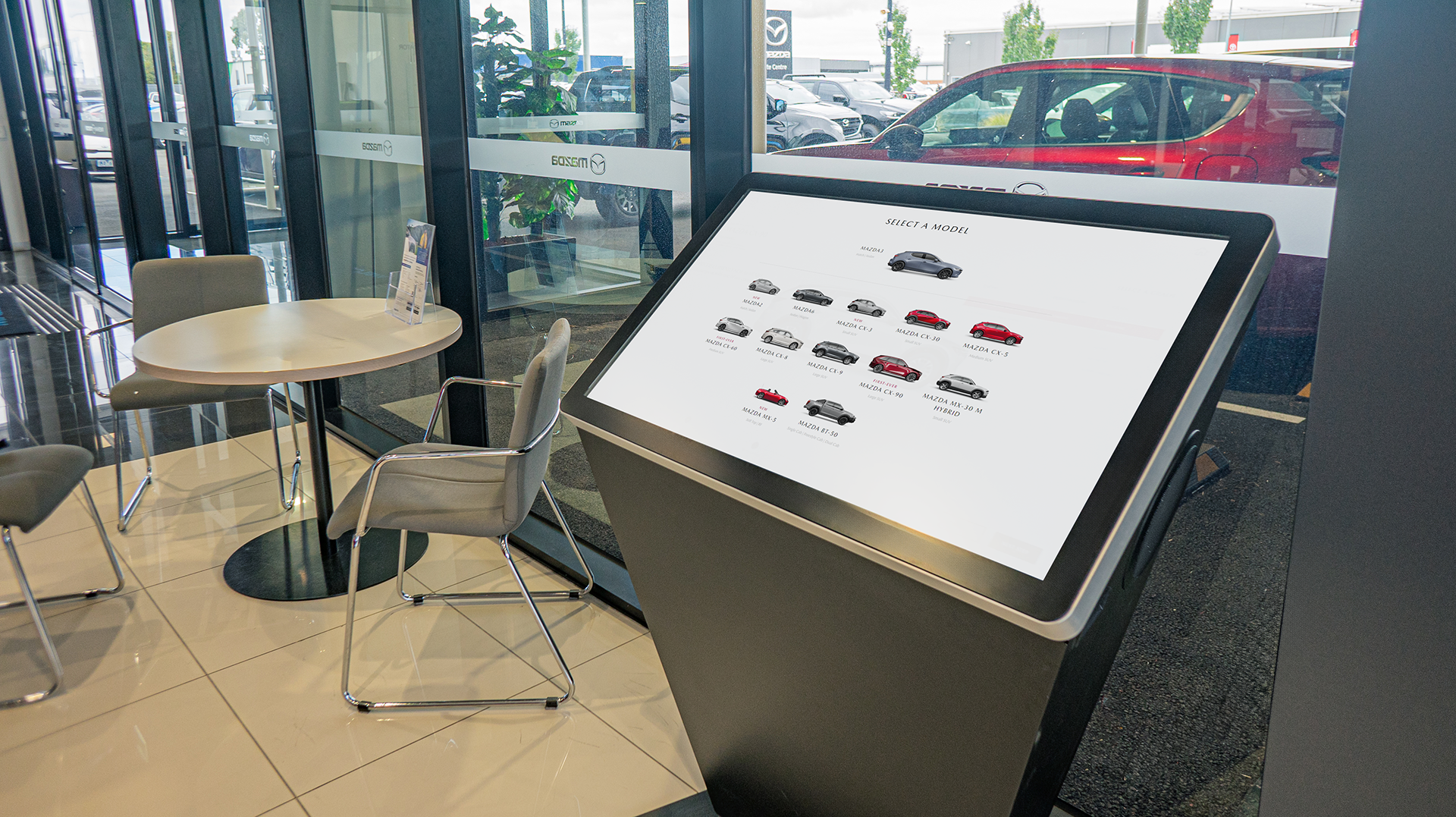
Interactive digital signage enables customers to engage directly with screens to browse menus, customise orders, or access loyalty programs. Touchscreen displays can streamline ordering processes and reduce reliance on staff, particularly in fast-casual and QSR environments.
onQ Digital Group supports the integration of interactive signage solutions, combining hardware and software components to deliver intuitive user experiences that increase order accuracy and speed.
Personalised Content Through Data Integration
Leveraging customer data and analytics, restaurants can deliver personalised content and promotions tailored to individual preferences or purchase history. This level of customisation enhances marketing effectiveness and customer satisfaction.
By integrating digital signage software with CRM systems and point-of-sale data, onQ CMS facilitates dynamic content delivery that responds to customer profiles, time of day, or even weather conditions.
Advanced LED Technologies
Innovations such as transparent LED displays, fine-pitch LED video walls, and LED MIP (Micro Indoor Pixel) technology are expanding creative possibilities for restaurant signage. These technologies enable visually striking installations that blend seamlessly with interior design while maintaining exceptional image quality.
onQ Digital Group’s expertise in LED signage solutions ensures that restaurants can adopt these cutting-edge technologies to differentiate their venues and enhance brand perception.
Integration with Mobile and Online Channels
Digital signage increasingly complements mobile apps and online ordering platforms, creating an omnichannel customer experience. Synchronised messaging across screens and mobile devices reinforces promotions and facilitates seamless ordering and payment.
onQ Digital Group’s solutions support integration with digital ecosystems, enabling cohesive campaigns that span physical and digital touchpoints.
Frequently Asked Questions About Digital Signage in Restaurants
What are the main benefits of digital signage for restaurants?
Digital signage offers restaurants the ability to update menus instantly, promote specials dynamically, reduce perceived wait times, and create engaging environments that enhance customer experience. It also provides operational efficiencies by reducing printing costs and supports new revenue streams through targeted advertising.
How does onQ CMS simplify digital signage management?
onQ CMS is a centralised content management system that enables restaurants to control multiple digital displays across various locations from a single platform. It supports scheduling, content updates, reporting, and integration with other systems, streamlining operations and ensuring consistent brand messaging.
What factors should be considered when choosing digital signage hardware?
Key considerations include the venue environment (indoor vs outdoor), ambient lighting, screen size, resolution, brightness, durability, and connectivity options. For outdoor or drive-through applications, weatherproofing and high brightness are critical. onQ Digital Group assists in selecting hardware that aligns with these requirements and optimises performance.
Can digital signage increase restaurant revenue?
Yes, digital signage can increase revenue by promoting upsells and specials, improving order accuracy, enhancing customer engagement, and generating advertising income through supplier partnerships. Effective content strategies combined with high-quality displays maximise these benefits.
How do LED video walls enhance the dining experience?
LED video walls provide large, bright, and visually impactful displays that can showcase live sports, entertainment, or branded content. They create immersive environments that encourage customers to stay longer and spend more, particularly in sports bars and entertainment-focused venues.
Contact onQ Digital Group for Expert Digital Signage Solutions
As digital signage continues to redefine the restaurant industry, partnering with an experienced provider is essential to navigate the complexities of technology selection, deployment, and content management. onQ Digital Group offers end-to-end expertise in digital signage strategy, LED display solutions, and the onQ CMS platform, ensuring your restaurant’s digital transformation is seamless and effective.
Whether you are looking to upgrade your menu boards, deploy high-brightness drive-through signage, install immersive LED video walls, or monetise your screen network through supplier advertising, onQ Digital Group can provide tailored advice and project support. Contact us today to explore how digital signage can elevate your restaurant’s customer experience and operational performance.
Enjoy our insights? Add onQ Digital as a preferred source on Google to see more of our content in your search results.


Ready to start a conversation?
Speak with our team about digital signage, CMS software, or retail media infrastructure. We’ll help you scope, design, and deploy the right solution.

Digital signage, CMS software, retail media platforms, analytics, and managed services across Australia.
© 2026 onQ Digital. All rights reserved. Website by D&n